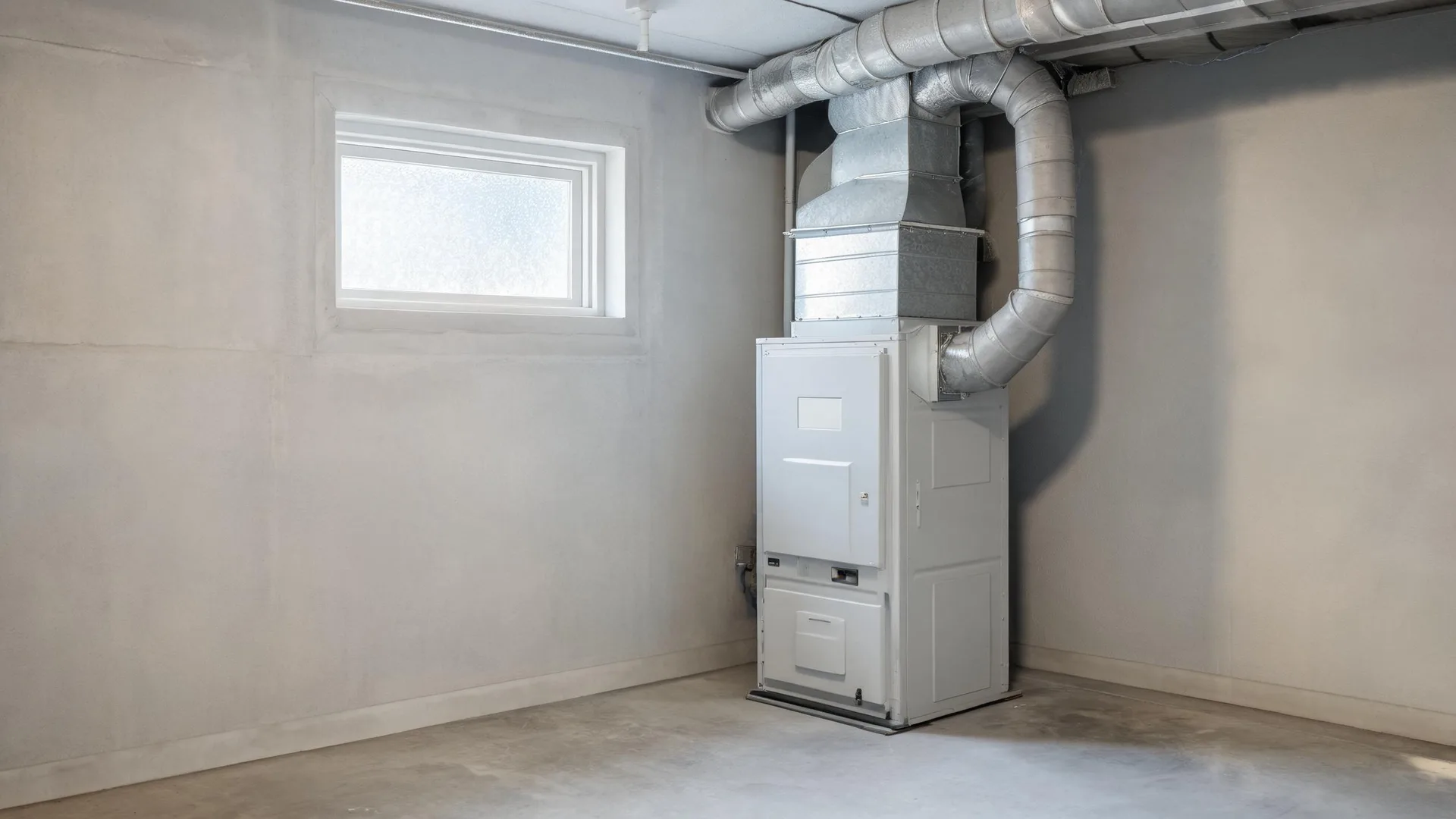
Electricity here runs $34.87 per million Btu
Washington power costs more than it does in most states. A furnace that wastes heat burns through more of it, and you pay the difference every month it runs.
Takes about a minute. No obligation.
Washington power costs more than it does in most states. A furnace that wastes heat burns through more of it, and you pay the difference every month it runs.
Two furnaces can heat the same house, but the one with the higher AFUE turns more of that costly electricity into heat instead of losing it. That gap is worth checking before you pick a system.
NOAA nClimDiv, 1991–2020 normals
Winter storms hit Chelan County 118 times between 2015 and 2024.
A furnace install should plan for the power going out, not just the snow piling up.
Furnaces in Chelan County run from September clear through June, about ten months of work most systems elsewhere don't see. Overnight lows average 22°F through December, January and February, so the unit you pick is sizing for real cold, not a mild snap now and then. That long a season adds up in hours on the blower and the heating element, and a system sized wrong shows it sooner here than somewhere milder. Bigger isn't the fix either. An oversized furnace cycles on and off more, and those short cycles wear parts faster than a system sized to run steady. Get the sizing right for this house and this county, and the furnace spends ten months doing its job instead of fighting itself.
Power costs more here, so an efficient system pays you back on every bill.
Find a contractor
Heat here starts in September and runs through June. August is the last easy month to get a new furnace in before the house needs it. Wait, and you're picking a system the week the cold hits, taking whatever install date you can get instead of the one that works for you.
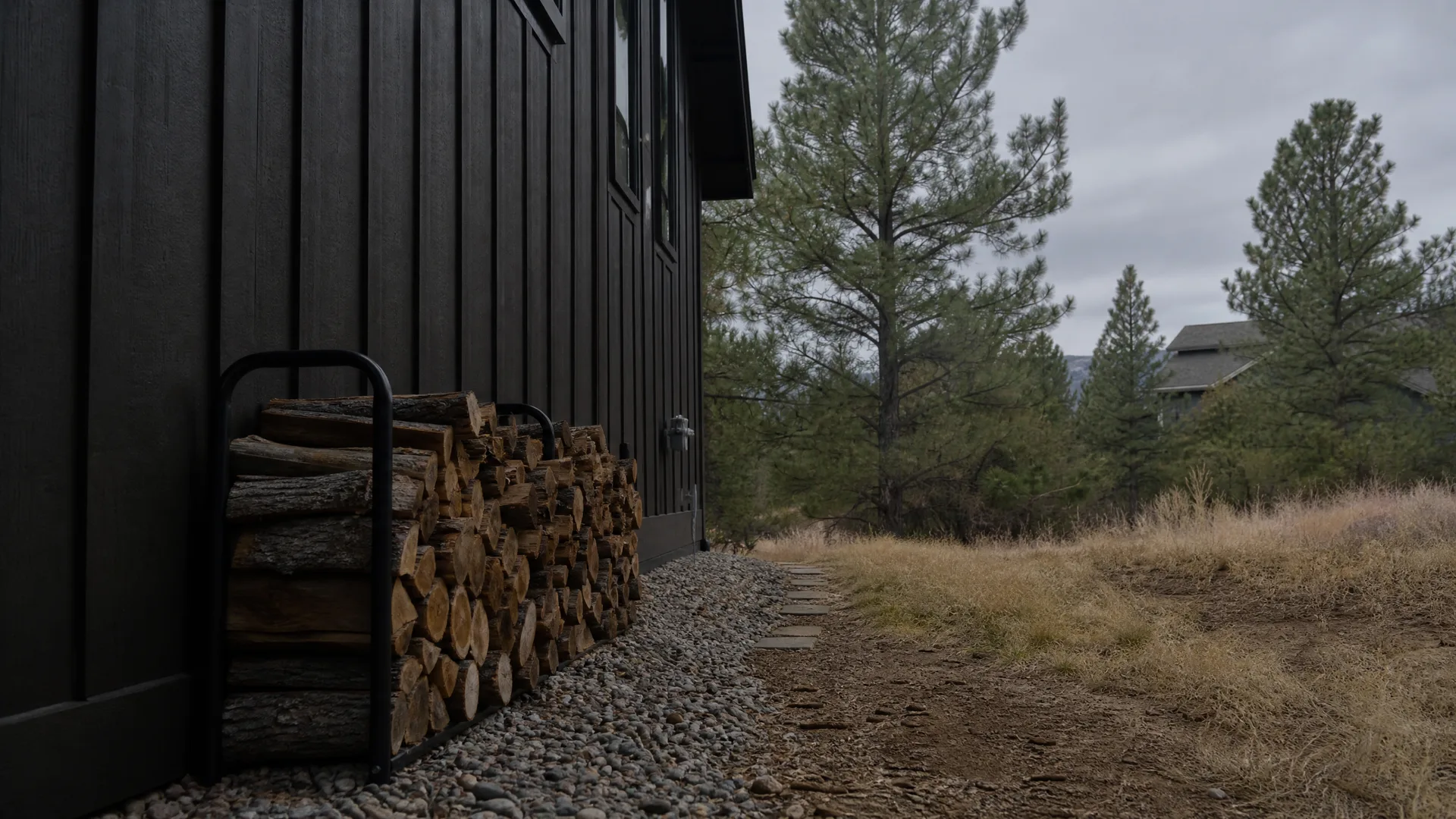
The gas line or electric circuit feeding the old furnace gets capped or shut down, and the unit itself gets disconnected from the ductwork and carried out. If it's a gas furnace, the tech checks the venting it used, because a new furnace often vents differently and that old vent pipe may need to be sealed or removed.
A new furnace moves air differently than the one it replaces, even if it looks like a straightforward swap. The existing ducts and the plenum connecting to the furnace get checked against what the new unit needs, and the transition piece often gets rebuilt so the airflow matches instead of fighting a connection sized for the old equipment.
A furnace that's too big for the house doesn't heat it better, it just shuts off faster. It blasts the place to temperature, kills the burner, and sits idle until the thermostat calls again. Short cycles like that mean the heat exchanger never settles into a steady run, and the igniter and blower motor see more start and stop wear than they would otherwise. Too small, and the furnace never gets ahead, running long stretches and still losing ground on the coldest nights. Getting the size right means working out how much heat the house actually loses, room by room, through its walls, windows, and roof, not just matching whatever size furnace was there before. A tech who skips that step is guessing, and a guess either wastes fuel on overkill or leaves you short when you need it most.
Installation day starts with a walkthrough, not a wrench. The tech confirms the new furnace, the ductwork, and the venting all still match what was measured earlier, because nothing gets cut until that's settled. Once the old unit is out, putting in the new one means pressure testing the gas line or checking the electrical circuit before anything gets fired up, and sealing every duct joint the furnace will push air through. The system gets run through a full cycle, checking the temperature rise against what the manufacturer specs for that model, not just whether warm air comes out. Carbon monoxide gets tested at the heat exchanger before the tech calls it done. A furnace that passes all of that is ready to run. One that doesn't should be flagged on the spot, not left for you to find out the first cold night it has to work for real.