



A warmly lit Craftsman-style house on a wet residential street at night, surrounded by tall evergreen trees under a dark overcast sky.

Furnace Repair in Everett, WA

Tell us about the job

Takes about a minute. No obligation.

RepairFurnace or heatingSnohomish County, WA
Step 1 of 2

What ZIP code is the job in?

Last year almost a quarter of homes in Washington lost power for a full day or more. A furnace won't run through an outage like that even if nothing is wrong with it, since the blower and the ignition both need electricity to work. When the power comes back, most furnaces restart on their own. If yours doesn't, or it's acting different than it did before the outage, that's worth a service call before the next cold snap.

10 months
September through June, your furnace is on duty
30°F
the average winter night it heats against
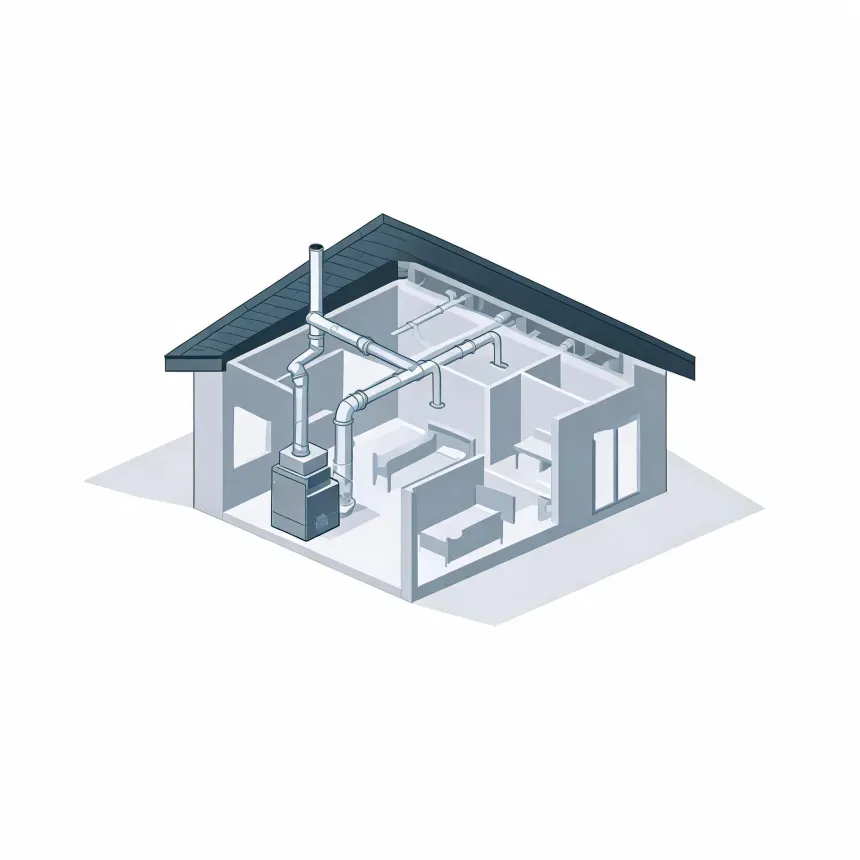
Isometric cutaway illustration of a small single-story house showing interior rooms, a furnace unit with a flue, and connected ductwork running below the dark gabled roof.
Your furnace works hardest from October through April.

NOAA nClimDiv, 1991–2020 normals

Electricity in Washington ran $34.87 per million Btu in 2024.

A furnace that's struggling to light or running longer than it should is spending more of that every time it cycles on.

If the outage left your furnace different than before, get it looked at

23% of homes statewide lost power a day or more in 2024
Heat runs September through June
Winter nights average 30°F

Furnace season starts in September here and runs through June. August is the month to get a furnace looked at, before it's doing the job every day. A furnace that sat idle since spring can have a weak igniter or a dirty flame sensor that only shows itself under a real load, and the first cold snap is when that happens. Getting it checked in August means a repair gets scheduled on your timeline, not on the first cold night when the house is going cold.

Ten months of heat a year wears a furnace down. Find out why yours is struggling.

Heat runs here from September through June, with overnight lows averaging 30°F in December and January and February. That's a long season and a cold one, and it's the furnace carrying the house through all of it. A furnace working that hard will show its weak points sooner than one that only runs part of the year. Get the actual cause found before you pay to fix it.

Find a contractor
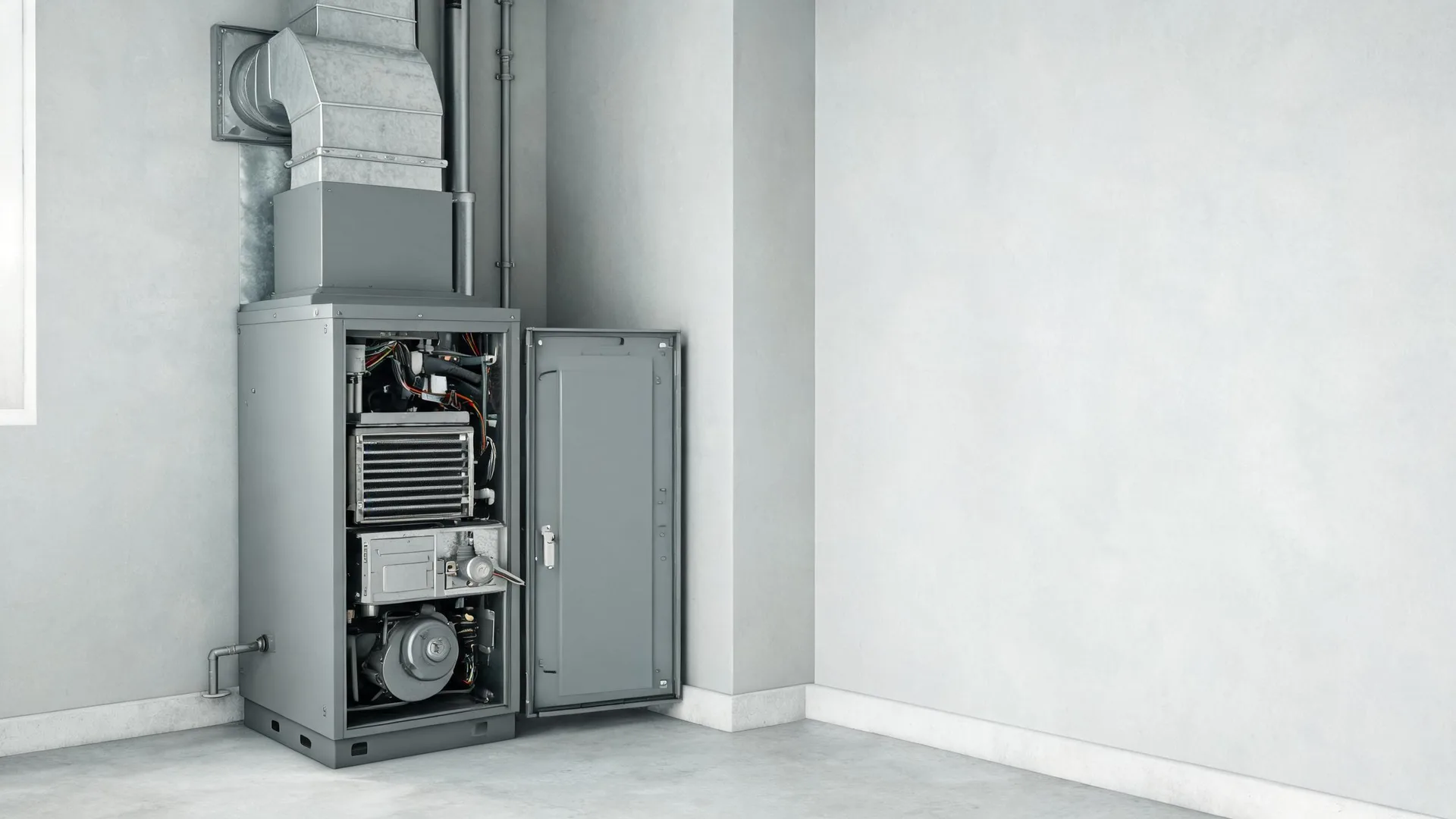
A gray high-efficiency gas furnace installed in an unfinished basement, surrounded by gas lines, a condensate drain, and sheet-metal ductwork.

This furnace doesn't get an off season

Ten months of running time adds up to a lot of cycles on the igniter, the blower motor and the flame sensor. When one of those starts to go, the furnace doesn't just quit. It short cycles, or it runs longer than it used to, or it blows air that isn't as warm as it should be. Any of that is worth a diagnosis rather than a guess, since the part that's actually worn might not be the one that seems like the problem.

The smell of burning dust means heat is new again

A furnace that just started its first cycles after sitting idle will often push out a burnt smell for a few minutes. That's dust burning off the heat exchanger and it should clear fast. If the smell hangs on, or it's sharper like scorched plastic or wiring, that's not startup dust and it's worth shutting the furnace off and getting it looked at.
A yellow flame is telling you something

The burner flame should be steady and blue. A yellow or flickering flame can mean the burner isn't getting enough air to burn clean, which points to a dirty burner or a venting problem. This one isn't worth waiting on, since it can also mean the furnace is producing carbon monoxide along with the heat.

Check the thermostat first. Make sure it's set to heat, not just fan, and that the setpoint is actually above room temperature. Next, look at the air filter. A filter clogged with dust chokes off airflow, and a lot of furnaces will shut themselves down rather than run with the heat exchanger overheating behind a blocked filter. Check that the furnace switch is on. It looks like a regular light switch, usually near the unit, and it gets bumped off more than people expect. If you've got a gas furnace, make sure the gas valve is open and that other gas appliances in the house are working too. Last, check the breaker. A furnace that won't start at all, not even the blower, is often an electrical problem before it's a furnace problem.

A repair is worth making when the part that failed is one part and the rest of the furnace is sound. An igniter, a flame sensor, a blower motor, a control board, these fail on their own and replacing one doesn't tell you anything about the others. Age changes that math. A furnace that keeps needing service calls, one thing fixed and then another not long after, is showing that the failures aren't isolated anymore. That's the whole unit wearing out at once, and the next part to go is never far behind the last one. A cracked heat exchanger is its own category. That's not a wear part, it's the core of the furnace, and when it goes the honest answer is usually replacement rather than repair. The furnace itself can tell you a lot of this before anyone opens it up. One that heats unevenly, runs longer than it used to, or cycles more than it should is spending its last years working harder for less.