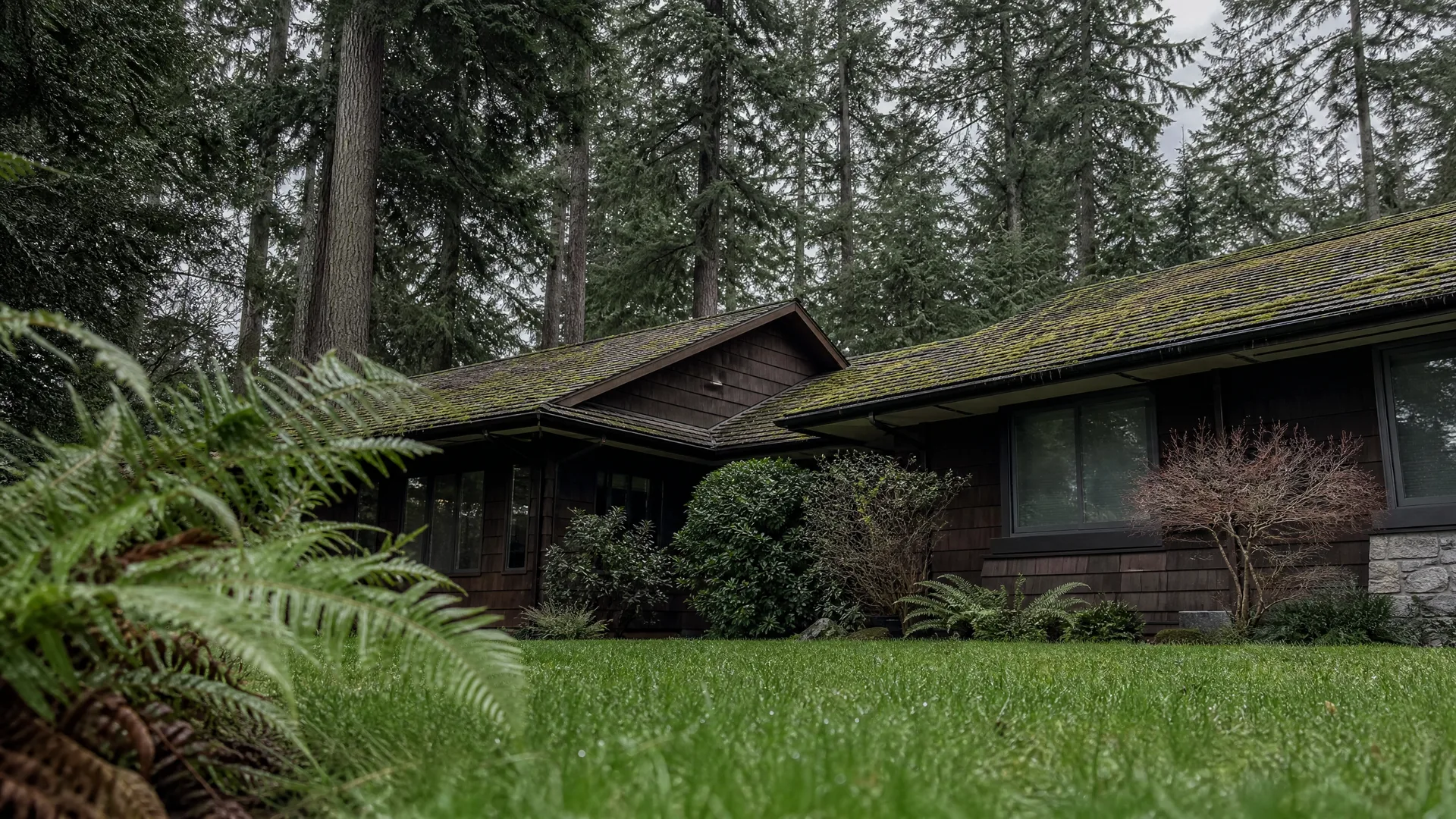
A single-story wood-shingled house with a moss-covered roof, surrounded by shrubs, ferns and tall conifers, with a mown lawn in the foreground.

Furnace Repair in Goldendale, WA

Tell us about the job

Takes about a minute. No obligation.

RepairFurnace or heatingKlickitat County, WA
Step 1 of 2

What ZIP code is the job in?

The igniter wears out first

Most no-heat calls trace back to the hot surface igniter. It heats up every time the furnace cycles on, and that constant heating and cooling makes it brittle until it cracks. Once it cracks, the furnace goes through its startup sequence but never lights.


A dirty flame sensor looks the same from the thermostat

A flame sensor coated with residue can shut the furnace down mid cycle in a way that feels just like an igniter failure. A technician checks both the igniter and the sensor before replacing anything, since swapping the wrong part doesn't fix a dirty one.

10 months
September through June, your furnace is on duty
27°F
the average winter night it heats against
56 winter storms
in ten years, the nights a failure hurts most
Isometric cutaway illustration of a house with a shingled gable roof, showing a gray furnace unit connected to overhead ductwork and a chimney flue, with simplified furniture in the rooms below.
Your furnace works hardest from November through April.

NOAA nClimDiv, 1991–2020 normals

Electricity in Washington runs $34.87 per million Btu.

A furnace that's cycling wrong or running longer than it should burns through that rate every day it's not fixed.

Half the furnaces in Goldendale are younger than the house next door's roof

Half the homes here were built by 1986
Heat runs September through June
Winter nights average 27°F
Every day it runs wrong costs youGet a furnace that's cycling badly looked at before the next bill, not after.

Furnaces here start running in September and keep going through June, about ten months of the year. August is the last easy month to get one looked at before that starts. Once the cold hits, the furnace is cycling on and off all day, and whatever part was already weak gets found fast. A cracked igniter or a fouled sensor that limped along in storage usually fails in the first few weeks of real use, not in the middle of winter. Getting it checked before September means finding that part on a technician's schedule instead of during a cold morning with no heat.

This furnace runs nearly year round. Get the problem found, not guessed at.

Ten months of heat a year means this furnace barely gets a break, and nights averaging 27 degrees keep it running hard once it starts. That kind of use wears an igniter or a flame sensor down faster than it would somewhere milder. A technician can tell you which part it is and get it fixed right the first time.

Find a contractor
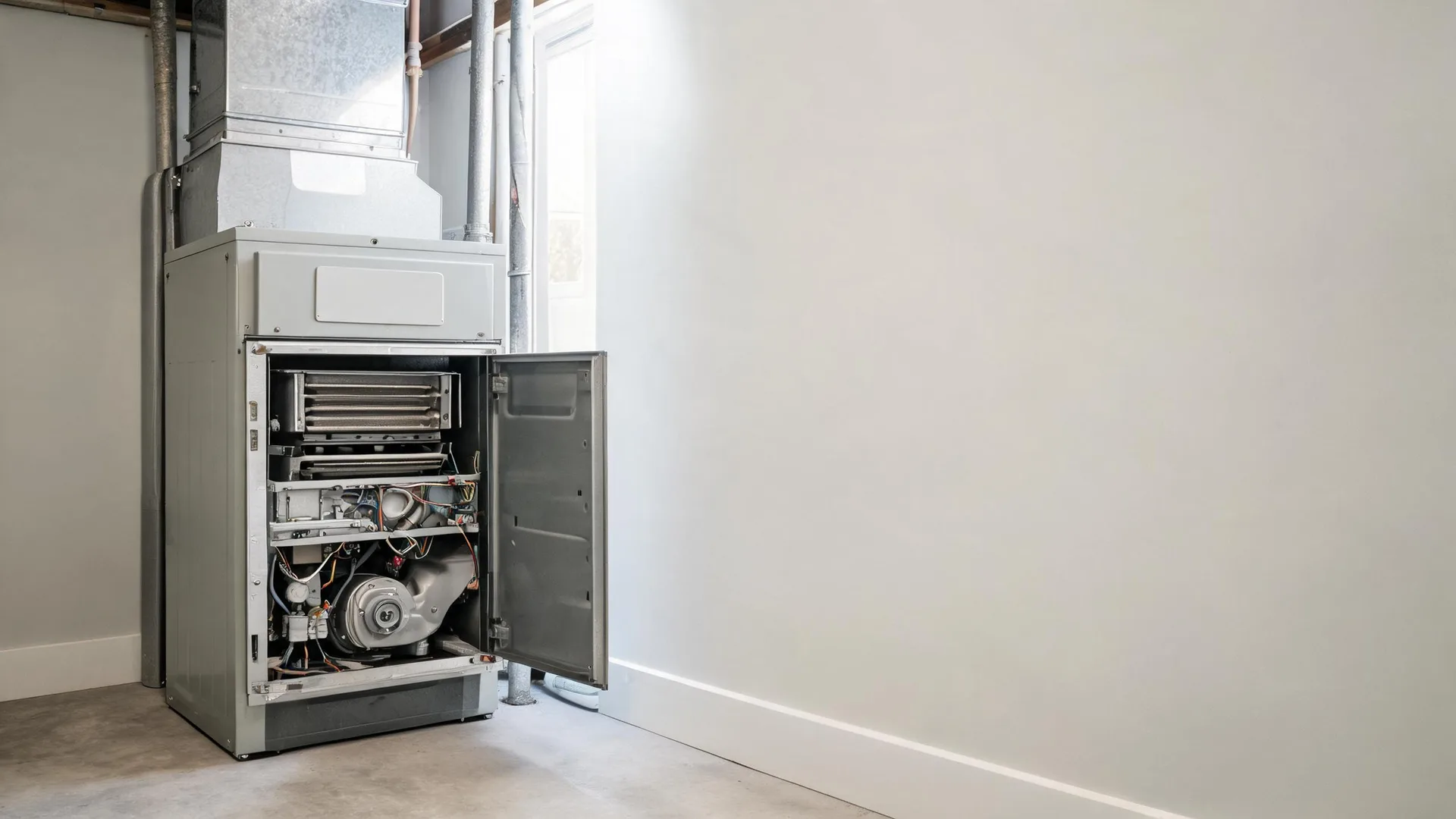
A gray residential gas furnace installed in an unfinished basement, connected to sheet-metal ductwork and PVC pipes.

Built in 1986 or later, half of them

If your furnace came with the house, check the paperwork before you assume it's on its last leg. A furnace installed in a newer build usually has years left in it, and a cracked igniter or a dirty flame sensor doesn't mean the whole unit is done. Fixing the part that failed is the right call when the furnace underneath it is still good.

Check the thermostat and the breaker first

Make sure the thermostat is set to heat and the temperature is actually above room temperature. Check the breaker panel for a tripped switch and the furnace's own power switch, which looks like a light switch near the unit. Some furnaces also have a reset button on the control board that's worth pressing once.

Look at the air filter before you call anyone

Pull the filter out and hold it up to a light. If you can't see light through it, air can't get through it either, and the furnace will shut itself down to keep from overheating. A clogged filter is something you can fix yourself in a few minutes, no tools needed.

A furnace that's short cycling or limping along on a cracked igniter doesn't fix itself by staying on. Every time it fires and fails and tries again, the igniter takes another thermal shock, and a hairline crack turns into a full break. A flame sensor coated with residue gets worse the same way, because the buildup that's fouling it keeps baking on with every cycle it runs. The heat exchanger is the real reason to stop running a furnace that's acting up. One that's overheating from a clogged filter or a blocked vent stresses the exchanger every time it shuts off on a safety switch and restarts, and a cracked exchanger is a safety problem, not a repair worth putting off. Letting a small problem keep cycling tends to turn one bad part into more than one.

A diagnostic visit starts before any panel comes off. A technician asks what the furnace was doing right before it quit. Did it try to light and fail, or did it never attempt startup at all. That answer narrows things down fast. From there the furnace gets watched through a full cycle from a cold start, so the technician sees exactly where it stops. The igniter gets pulled and checked for cracks, or tested for resistance, to confirm whether it's the part at fault. The flame sensor's signal gets read with a meter to see if it's sensing a flame or just fouled with residue. Walking through it in that order is what finds the actual failure, instead of replacing parts until one of them happens to fix it.