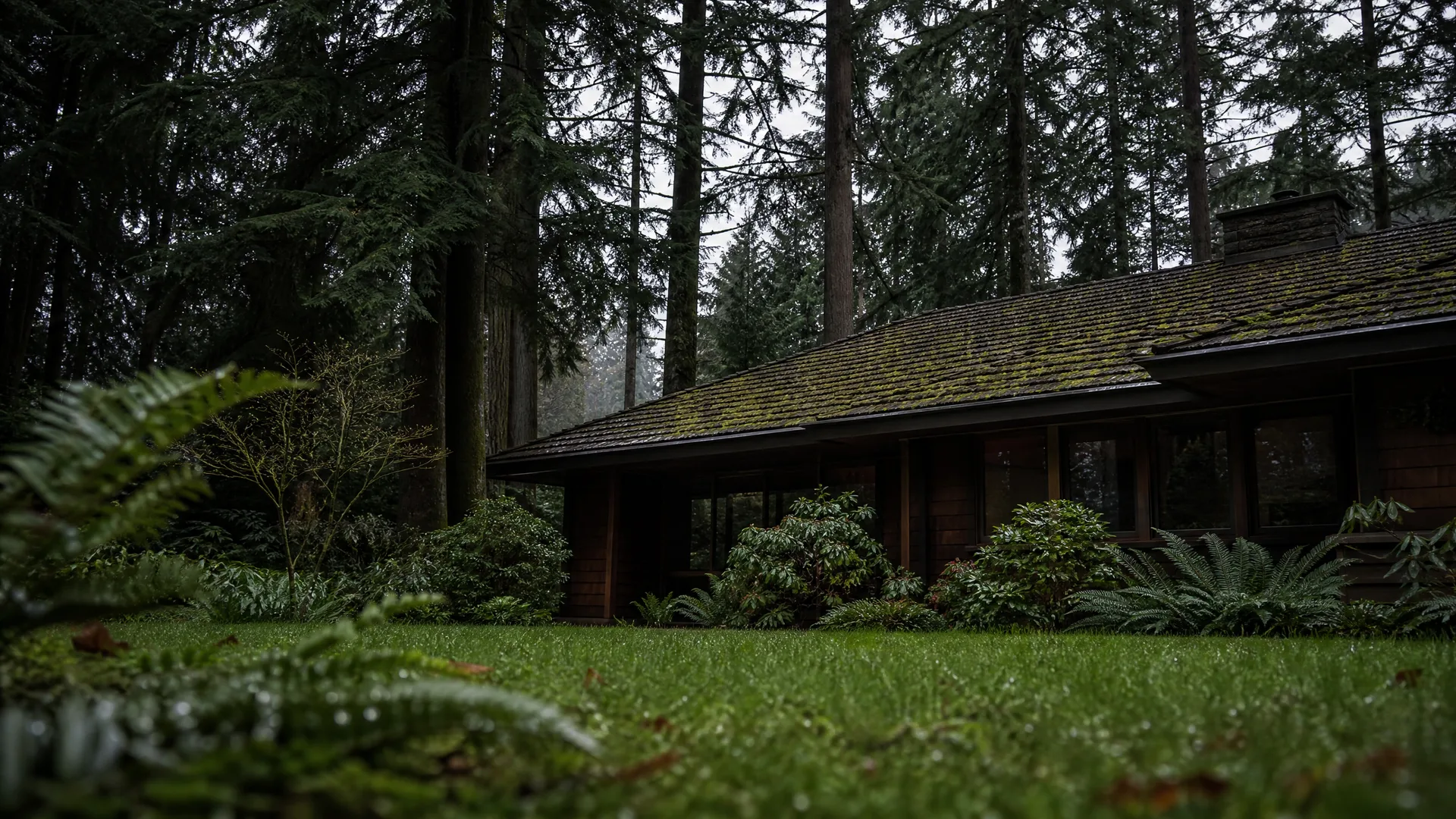





A single-story dark wood house with a low moss-covered roof and brick chimney sits behind a green lawn, shrubs and ferns, surrounded by tall conifer trees.

Furnace Repair in Oak Harbor, WA

Tell us about the job

Takes about a minute. No obligation.

RepairFurnace or heatingIsland County, WA
Step 1 of 2

What ZIP code is the job in?

Almost a quarter of homes in this state lost power for a full day or longer last year. Wind and storms off the water are usually behind it, and Oak Harbor sits right in that path. A furnace that loses power mid-cycle doesn't always come back clean. The igniter can fail to relight, or the control board can trip into a fault state waiting for a reset. If you've had an outage this season and the furnace has been acting off since, that's worth mentioning to whoever comes out.

10 months
September through June, your furnace is on duty
35°F
the average winter night it heats against
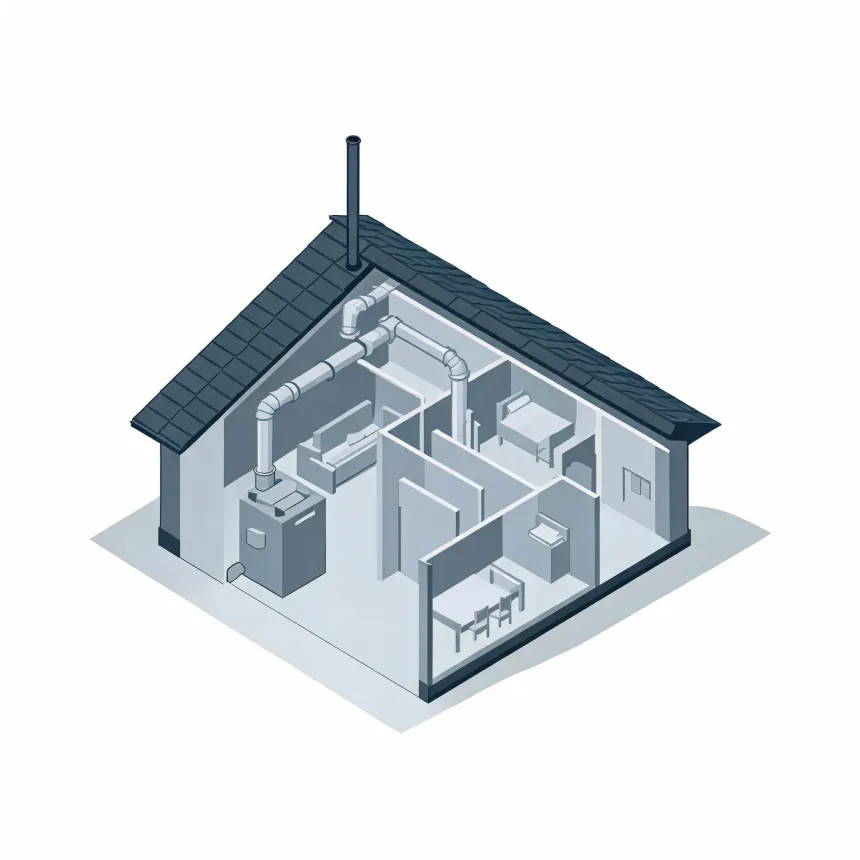
Isometric cutaway illustration of a small single-story house showing interior rooms with furniture, a furnace unit with attached ductwork running to a roof flue, and a dark shingled roof.
Your furnace works hardest from October through April.

NOAA nClimDiv, 1991–2020 normals

Half the homes in Island County were built in 1991 or later.

A furnace in a newer Oak Harbor home has probably got years left in it, and that points toward fixing it, not replacing it.

Heat runs most of the year here, and Washington power isn't cheap

Climate zone 5C
Heat runs September through June
Winter nights average 35°F
Ten months of heatFurnaces here run September through June, with overnight lows near 35°F in winter.

Furnaces here start running in September and go through June, so August is the last quiet month before the load hits. A part that's been marginal all summer, a weak igniter, a sensor that's drifted out of range, usually gets through those idle months without trouble because nothing's asking much of it. Once the furnace is running for hours at a stretch instead of cycling on and off, that same part is what gives out first. If yours was acting up toward the end of last winter and nobody's looked at it since, the first cold week is a likely time for it to show again.

Get the furnace checked before the next storm finds the problem

If your furnace lost power this season and hasn't run quite right since, or if the outdoor parts took any hail or debris in a storm, get it checked before the next one hits. A furnace that seems fine can still be carrying a fault from the last outage.

Find a contractor
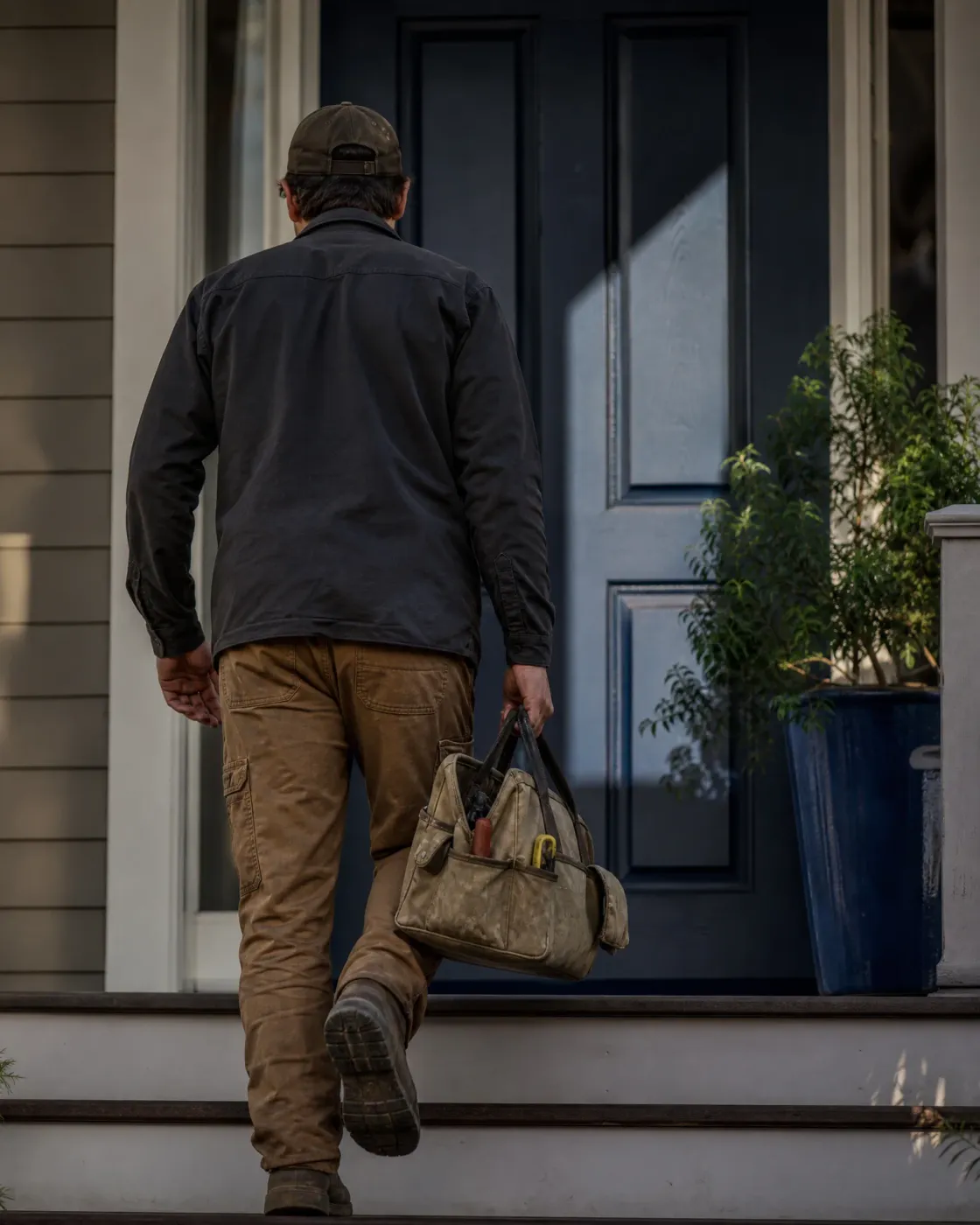
A man in a cap, dark jacket and tan work pants walks up porch steps toward a dark blue paneled door, carrying a canvas tool bag with tools in its outer pockets, beside a potted shrub.
A gas furnace with attached ductwork, gas piping, and condensate lines installed in a concrete-block basement.

What a tech actually checks

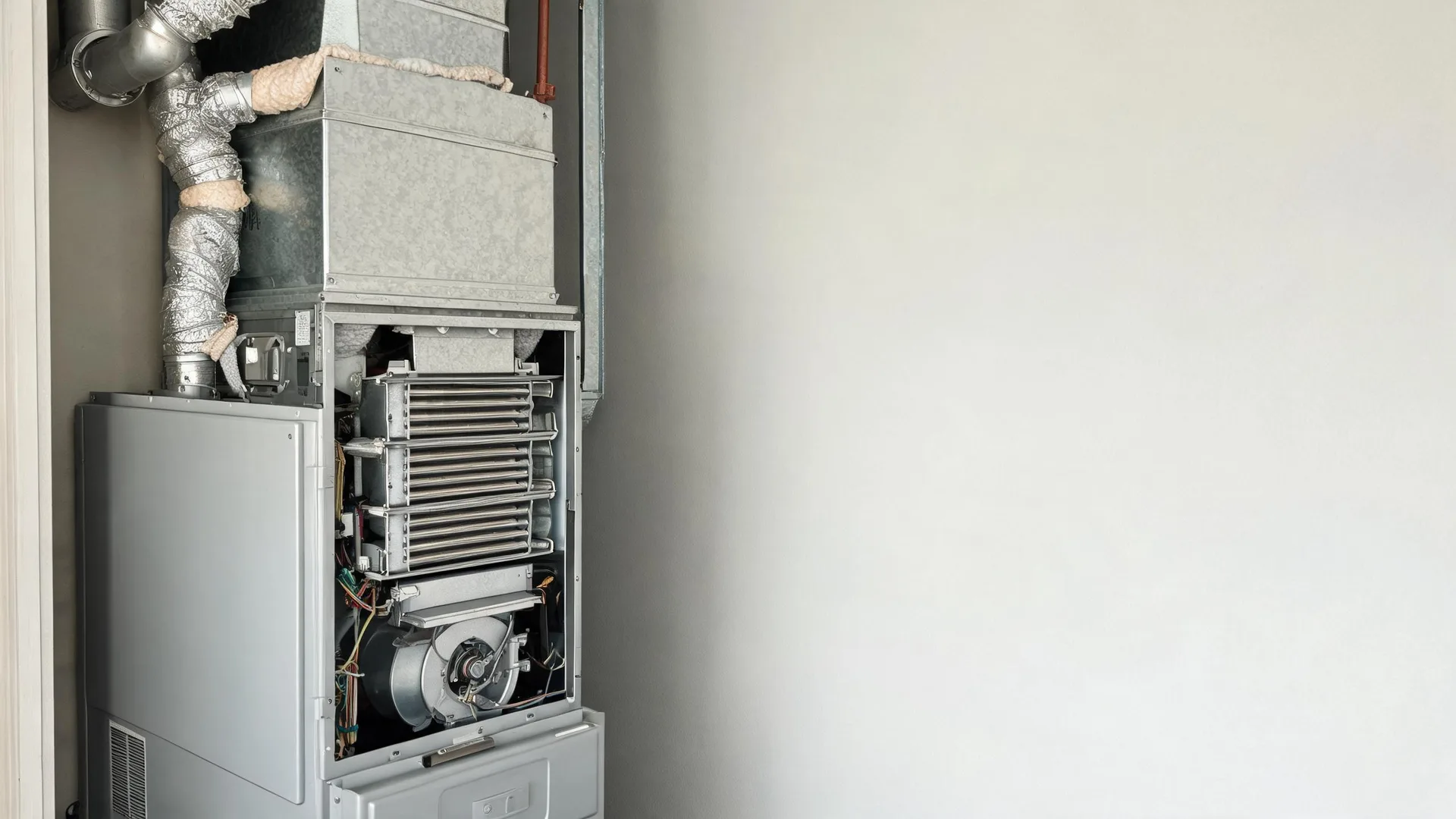
A diagnostic starts with a question, not a screwdriver. The tech wants to know what the furnace was doing before it quit. Short cycling, blowing cold air, not starting at all, tripping the breaker. The answer points to a different part. Once the power is cut and the panel is off, the burners and igniter get a look, along with the flame sensor. A dirty flame sensor acts just like a failing one, so it gets cleaned and tested before anyone calls it worn out. The control board gets checked for a stored fault code, since the board often remembers trouble the furnace isn't showing anymore. Airflow matters just as much as any part. A clogged filter or a blocked return can overheat the heat exchanger and trip the limit switch, and that can mimic a failing igniter or a bad sensor if the filter never gets checked. Only once all of that's been ruled out does a tech say what's actually wrong and what fixing it involves.

What you'll notice first

A furnace that's starting to fail usually tells you before it quits outright. The air coming out feels cooler than it should. It starts and stops more often than it used to, a few minutes on and off instead of running a full cycle. You might hear a clicking at startup that doesn't catch, or a boom when the burners finally light. Some furnaces trip the breaker instead of making noise at all, which is easy to miss until the house is cold.
What's worth a same-day call

A burning smell, a furnace that won't stop running, or one that's tripped the breaker more than once are not wait-and-see problems. Short cycling wears out the parts that start the furnace every time it kicks on, so a furnace doing that gets worse the longer it runs that way. A furnace that's just a little slower to warm the house, or blowing slightly cooler air than before, can usually wait for a scheduled visit instead of an emergency one.

Most furnace failures trace back to one of a few parts. The igniter is the one that fails most often, since it heats up and cools down every single cycle and that stress eventually cracks it. The flame sensor gets coated with a thin layer of residue over time and stops recognizing that a flame is lit, so the furnace shuts itself off as a safety measure. Flame sensors get cleaned, igniters get replaced. The control board can fail outright, but more often it's doing exactly what it's supposed to do, shutting the system down because a limit switch or pressure switch told it something's wrong elsewhere. Chasing the board first usually means missing the actual problem. A blower motor that's worn out will run weak or loud before it quits for good, and most of what shortens its life is a dirty filter forcing it to work harder than it should.

A cracked heat exchanger is the one repair that usually ends in replacement instead. That part isn't patched, because a crack there means combustion gas can get into the air the blower pushes through the house, and that's a safety call, not a judgment call. Almost everything else on a furnace gets replaced piece by piece without much argument. Igniters, flame sensors, blower motors and control boards all get swapped out on their own when they fail, and a furnace with one of those fixed is usually a furnace worth fixing again. The harder case is a furnace that's needed a different part every season for a few years running. Each repair on its own might be reasonable, but that pattern is the system wearing out together, not one part having a bad run. Ask what actually failed and whether it's one thing acting up or several.