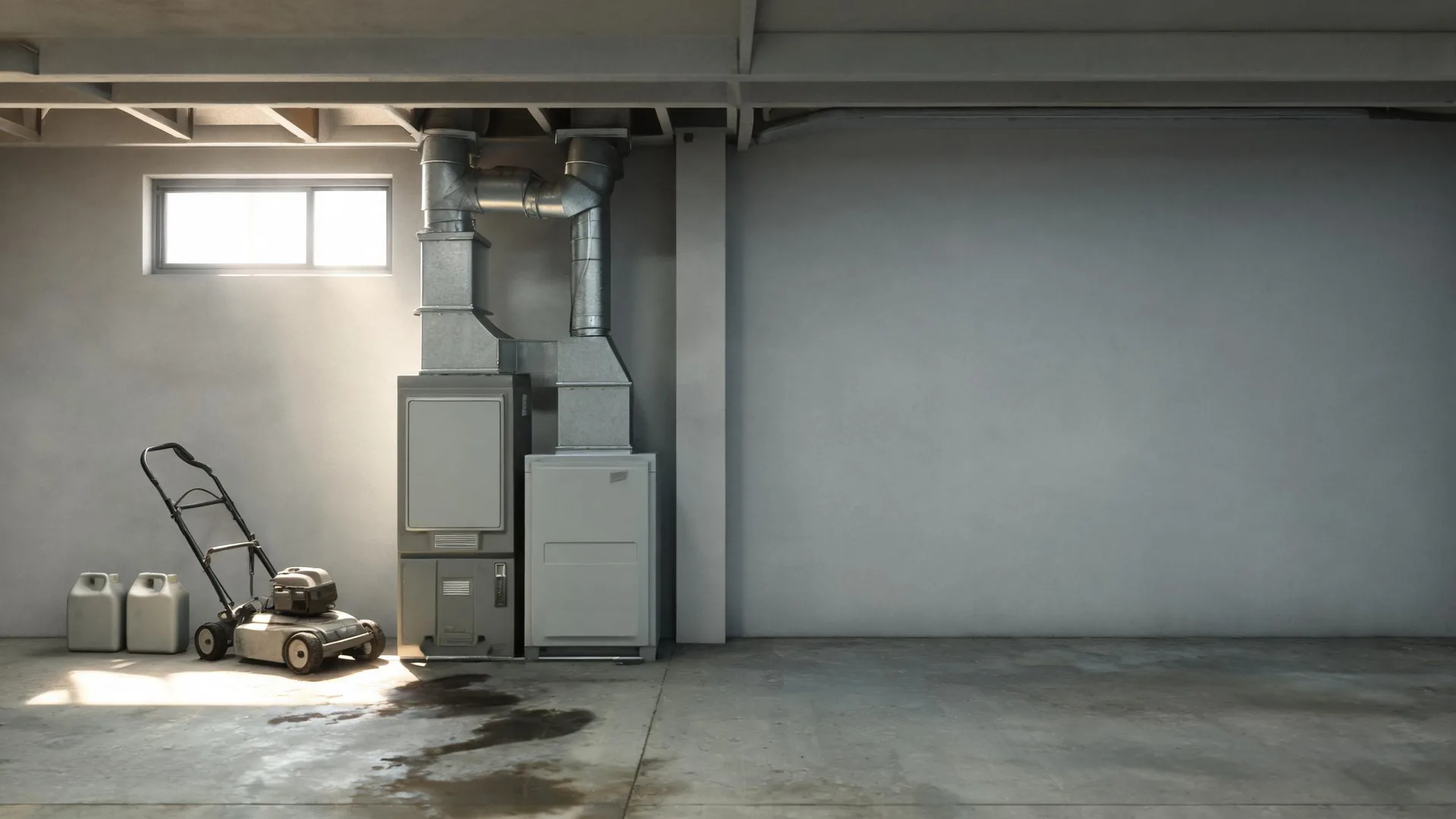
Storms here take their toll
Nearly a quarter of Washington households lost power for a day or more in 2024. Wind and storm damage are a big reason why.
Takes about a minute. No obligation.
Nearly a quarter of Washington households lost power for a day or more in 2024. Wind and storm damage are a big reason why.
A furnace that still lights and runs can have a cracked heat exchanger or damaged wiring from a surge. If the power went out at your place, it's worth having someone look even if nothing seems wrong yet.
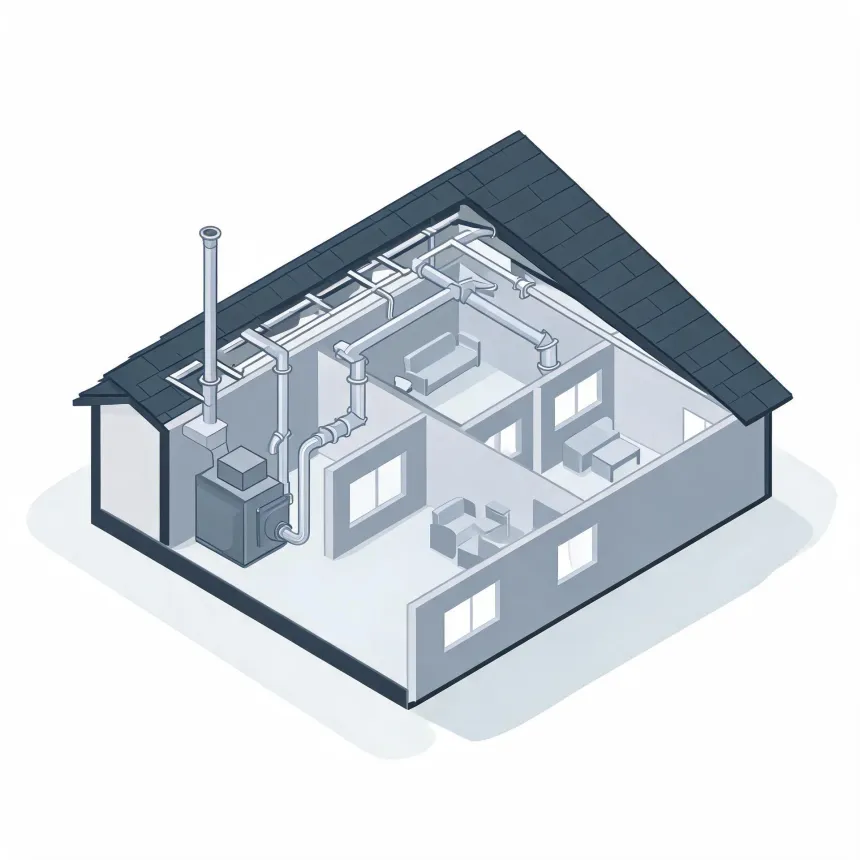
NOAA nClimDiv, 1991–2020 normals
Electricity in Washington ran $34.87 per million Btu in 2024.
A furnace that short cycles or runs longer than it should is burning through that rate every day you wait.



Half the houses in Jefferson County were built in 1988 or later. If yours is one of them, the furnace inside it hasn't necessarily been running as long as the house has, but there's a good chance the system itself is newer too. A furnace that age still has plenty of working life in it. Something going wrong now is more likely a specific part failing, like an igniter or a flame sensor, than the unit wearing out for good. That's worth knowing before anyone starts talking about replacement.
A furnace can run fine for months and still be hiding damage from a power surge or a storm. If your place lost power for a day or more, have someone look at it now, while it's easy to check and nothing depends on it yet.
Find a contractor
A part failing on a newer system is a repair call, not a replacement conversation. Have someone track down the igniter or flame sensor and fix what's actually wrong. If your furnace came with the house, ask the tech its age before agreeing to anything bigger than the repair in front of you.
Make sure it's set to heat, not just fan, and the set temperature is actually above room temperature. Check the batteries if it has a screen that looks dim or blank. People call about a broken furnace and find out the thermostat lost power.
A filter packed with dust can choke airflow enough that the furnace shuts itself off partway through a cycle. Pull it out and hold it up to a light. Also check the power switch on the furnace itself, it looks like a regular light switch and gets bumped off sometimes. Both take a minute to rule out before anyone needs to come look.
A lot of furnace calls come down to one part giving out, not the whole system failing. The igniter is a common one. It's a small component that has to heat up or spark every single cycle, and that kind of repeated stress wears it out over time. The flame sensor is another. It tells the furnace a flame is actually present, and once it gets a thin coat of residue on it, it can't do that job right, so the furnace shuts down as a safety measure even though everything else is fine. Blower motors wear out too, usually slower, with noise or weak airflow showing up before they quit outright. None of these mean the furnace is done. They mean one part needs attention.
The honest way to think about it is by what's actually failing, not how old the furnace looks. A control board, an igniter, a flame sensor, a blower motor, these get replaced on their own all the time without touching the rest of the system. What changes the conversation is the heat exchanger. That part can't really be repaired in any practical sense, and a crack in it means the whole unit needs to go. So the real question after a diagnosis isn't how many things have broken before, it's which part is broken this time. A furnace that's needed a few small repairs over its life isn't in worse shape than one that's needed none. It just means those particular parts wore out, which happens to every furnace eventually.