


Why winter here decides this
Your heat runs every month of the year here, and the question is what it's doing on the roughly 40 nights a winter when it falls to freezing or below. A standard heat pump starts losing ground before that point. Below 40°F it already puts out less heat than its rating says. Below about 35°F it typically needs backup heat to keep up. The average overnight low here in December, January and February is 31°F. That's not an edge case for this county, it's the winter norm, and it sits below both marks.
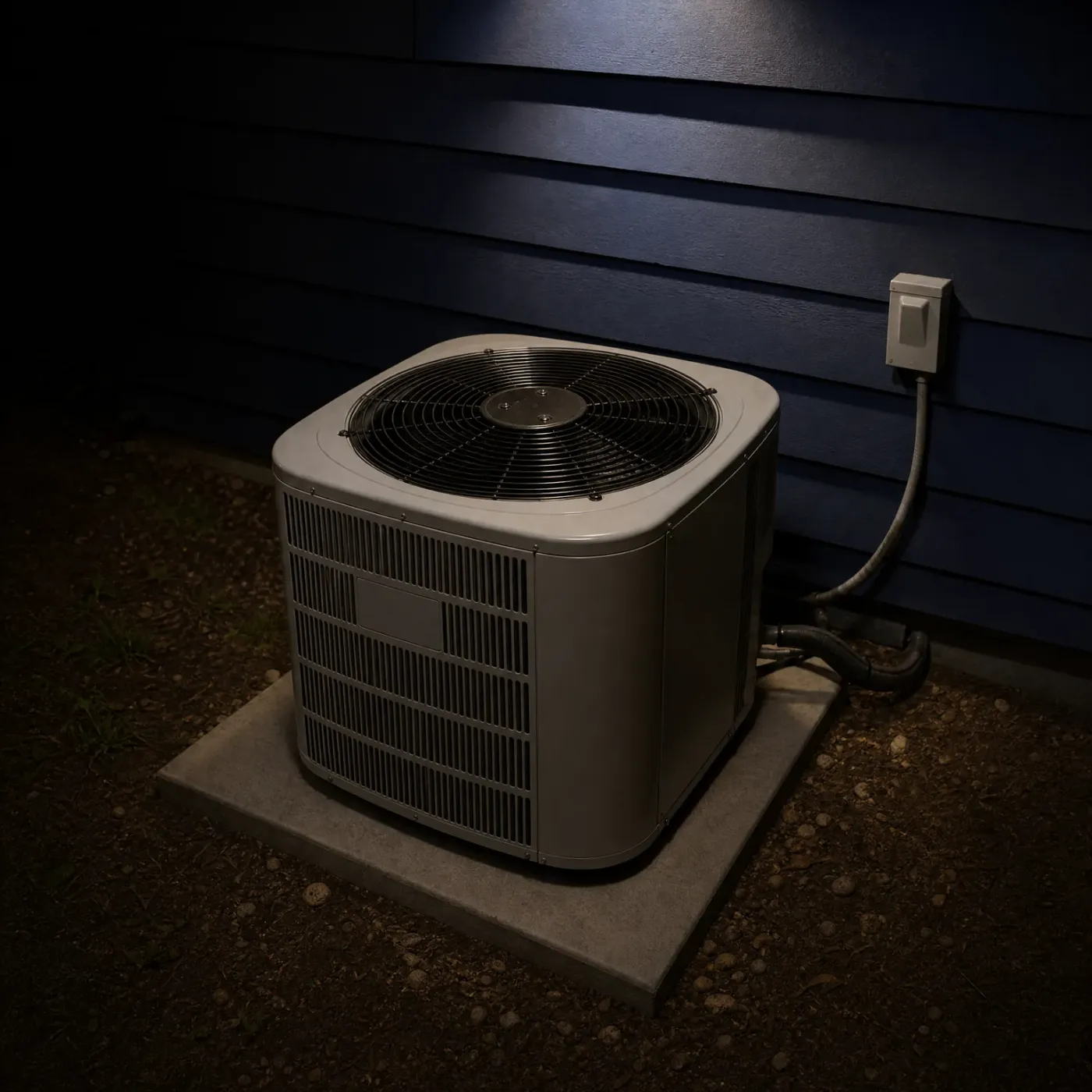
This doesn't mean a heat pump can't heat your house. It means a standard one is working below its best range on most of the coldest nights you get, and will likely lean on backup heat to do it. The nights that go below 0°F, where that becomes a bigger issue, are rare here, fewer than one a year. So the strain is mild and frequent rather than severe. A cold climate heat pump, the kind certified to hold most of its capacity at 5°F, is built for exactly this kind of winter and doesn't have the same drop-off.
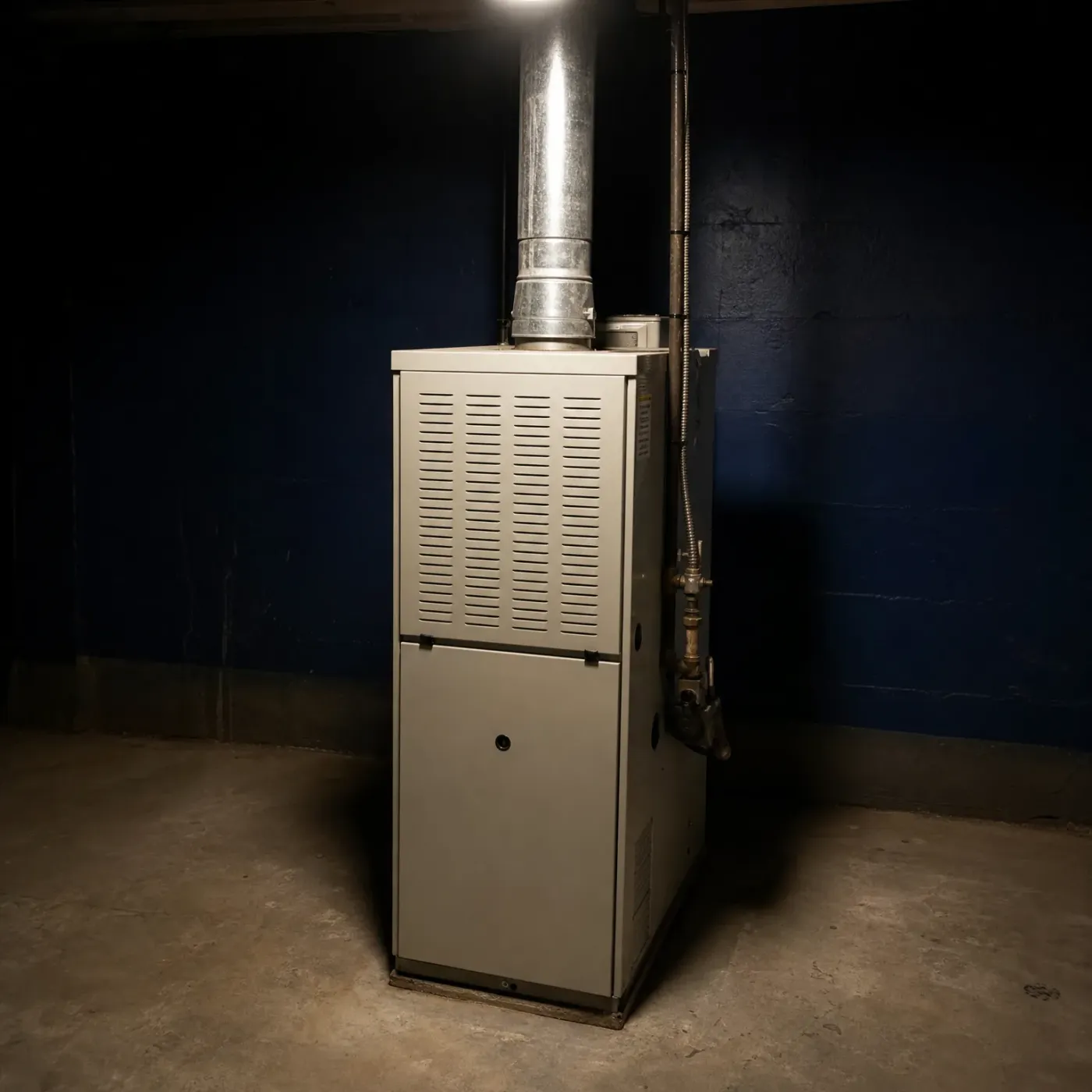
A furnace doesn't have this problem at all. It burns gas or propane and puts out the same heat regardless of how cold it is outside. If steady output on the coldest nights matters most to you, that's the furnace's case, and it's a real one.