





An unfinished basement containing a gray HVAC furnace with ductwork, exposed wooden joists, a concrete floor, and miscellaneous clutter in one corner.

Furnace Repair in Wenatchee, WA

Tell us about the job

Takes about a minute. No obligation.

RepairFurnace or heatingChelan County, WA
Step 1 of 2

What ZIP code is the job in?

Your furnace in Chelan County runs about ten months a year, September through June. That's most of the calendar, not just the cold snap in January. Overnight lows average 22°F across December, January and February, so once it kicks on in fall it rarely gets a real break before summer. Winter storms have hit the county well over a hundred times in the past decade, and every one of those means hours of hard, steady running to keep up. That kind of use wears parts down faster than a furnace that only runs a few months a year. When something starts acting up here, it's usually that long season catching up with the machine, not a fluke.

10 months
September through June, your furnace is on duty
22°F
the average winter night it heats against
118 winter storms
in ten years, the nights a failure hurts most
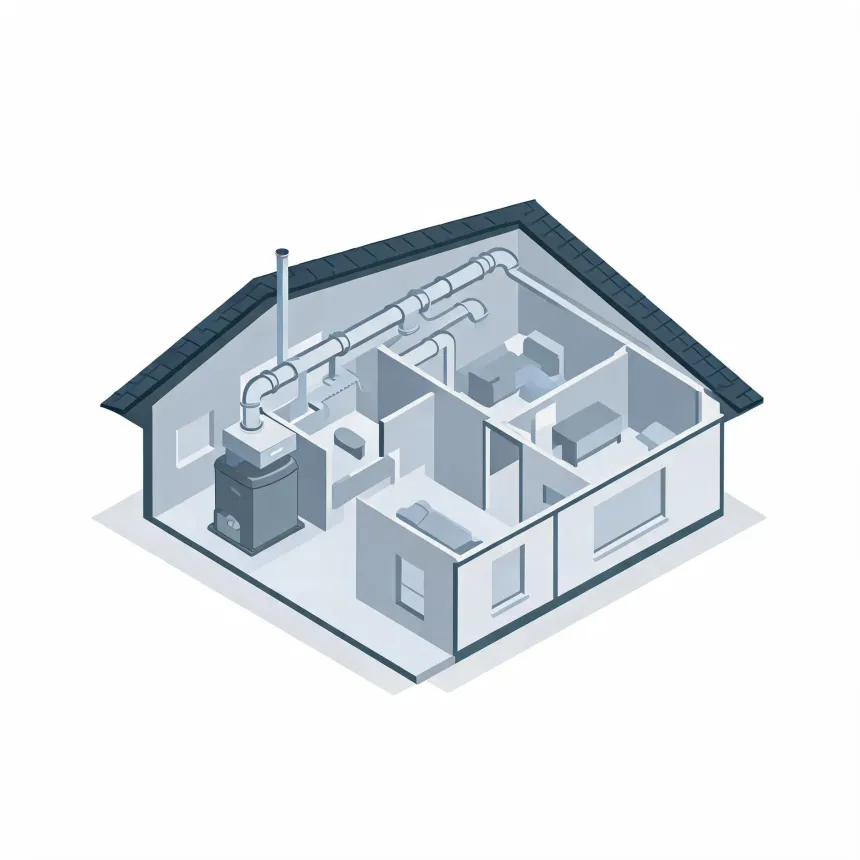
Isometric cutaway illustration of a single-story house showing interior rooms, ductwork running along the ceiling, a flue pipe through the roof, and a dark furnace unit in one corner.
Your furnace works hardest from October through April.

NOAA nClimDiv, 1991–2020 normals

Winter storms have hit Chelan County 118 times in the past decade.

If branches or ice came down near your outdoor unit, a furnace acting up now may be storm damage showing itself late.

A furnace running badly here adds up fast. Get it looked at before another cold stretch runs the bill higher.

Heat runs September through June
Winter nights average 22°F
118 winter storms from 2015 to 2024
Electricity here runs $34.87 per million BtuA furnace losing efficiency costs you more in Washington than almost anywhere else.

Half the homes in Chelan County were built in 1983 or later. If your house falls on that side, your furnace is probably newer too, especially if it's the original unit. A furnace that age still has years of working life in it even after a hard winter season. That changes what a repair call is for. Instead of asking whether the unit is worth saving, the question is just what broke and how to fix it. Most furnaces this age are worth repairing almost every time something goes wrong.

That long a season deserves a real diagnosis

A furnace that runs ten months a year does not get much chance to rest between storms. Get a proper diagnosis now so whatever is wearing out gets fixed, not just patched.

Find a contractor
A gas furnace with attached ductwork, gas piping, and condensate lines installed in a concrete-block basement.

Newer furnace, more life left to protect

If your furnace is the original equipment and your house falls on the newer side of the county, don't let a long winter talk you out of a repair. The call is still worth making. A part failing now is just a part failing, not the furnace reaching the end of its life. Get the diagnosis, fix what broke, and let the rest of the system keep running.

The igniter takes the wear

Every cycle, the igniter heats up to light the burners, then cools back down. That heating and cooling, over and over, is what eventually cracks it or burns it out. It's usually the first thing to fail, and it fails more from the number of cycles than from age on the calendar.
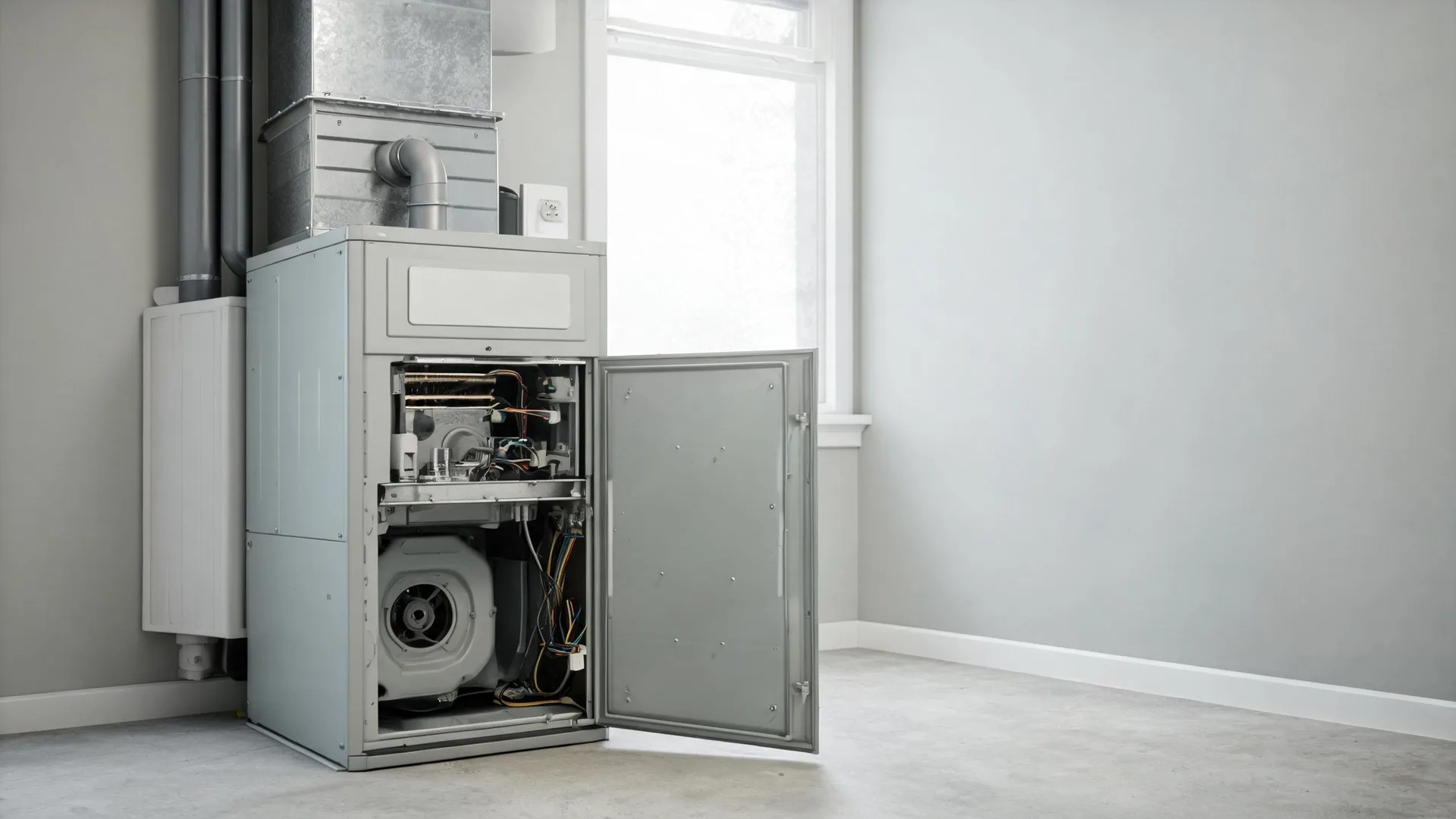
A dirty flame sensor reads as a bigger problem

The flame sensor checks that the burners actually lit, and shuts things down if they didn't. Soot builds up on it over a season of running, and once it's coated, the furnace reads no flame even when there is one. It shuts off a few seconds after starting, which looks like a serious fault but is often just a sensor that needs cleaning.

A furnace that's struggling doesn't fix itself by staying on. A cracked heat exchanger gets worse with every cycle of heating and cooling, and running it longer only stresses the crack further. A blower motor pulling too much current because of a failing bearing will keep drawing that extra current until it burns out completely, instead of wearing gradually. Even something as simple as a clogged filter forces the system to run longer to push the same air through, which heats the limit switch more than it was built for. Shutting the furnace off when something seems wrong doesn't damage it further. Leaving it running usually does.

The age of the parts matters more than the age of the furnace when you're deciding what to do. A cracked heat exchanger means the unit is done, no matter how new the cabinet looks. That part isn't meant to be swapped out on its own. An igniter, a flame sensor, a blower motor, a control board, those get replaced on furnaces of any age without a second thought. So the real question isn't how old the furnace is. It's which part failed. If a tech tells you what broke and it's one of the common wear parts, fixing it is the normal call. If the exchanger or the whole heat section is involved, that's a different conversation.