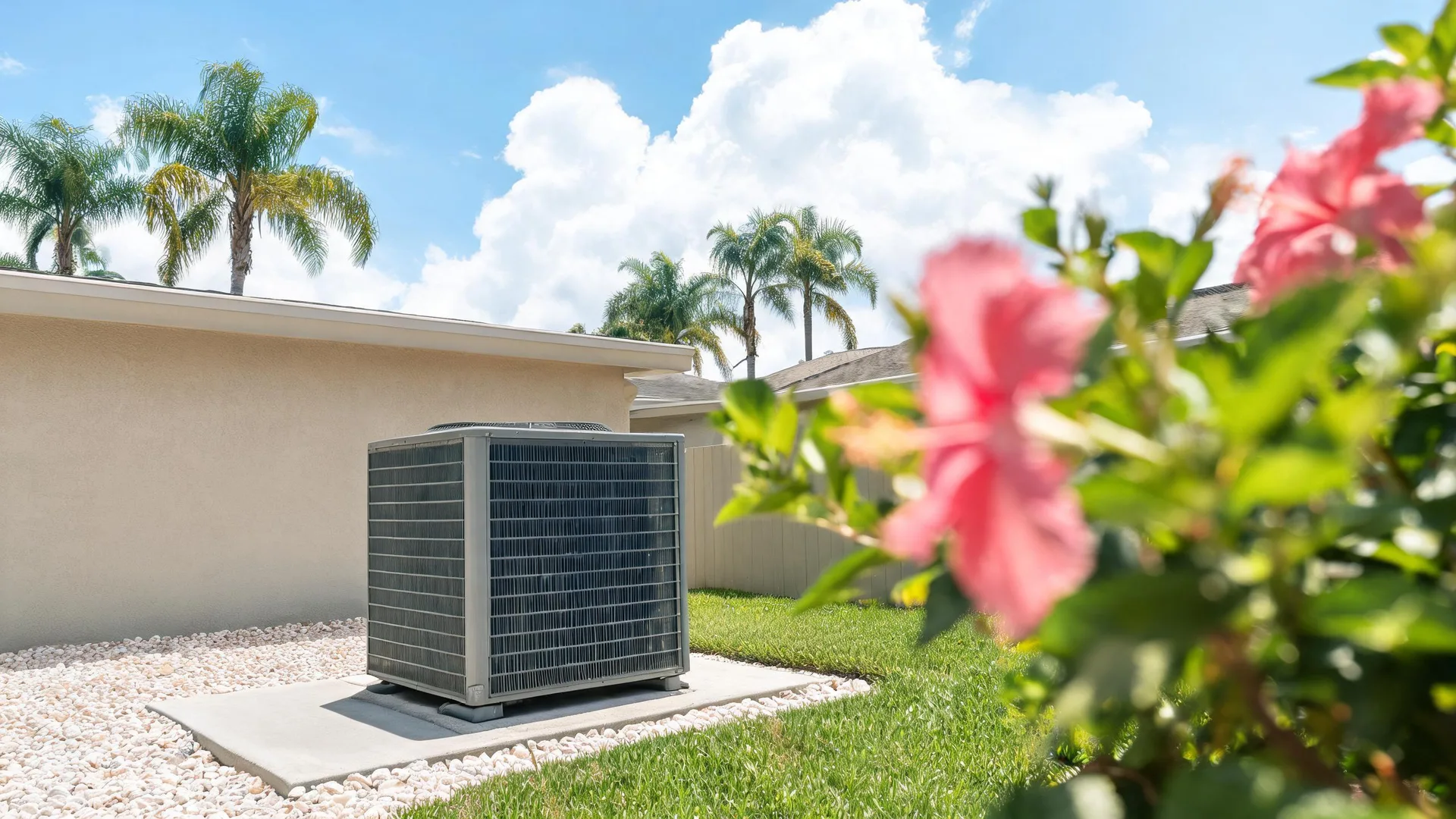
Gas heats most homes here
52.9% of occupied homes in Asotin County heat with utility gas, more than any other fuel. Most of the rest run on electricity.
Takes about a minute. No obligation.
52.9% of occupied homes in Asotin County heat with utility gas, more than any other fuel. Most of the rest run on electricity.
If your home runs on electric heat now, a heat pump installs in its place without new gas work. If it runs on gas, the job involves adding electric circuits and deciding whether to keep the furnace as backup for the coldest days.
NOAA nClimDiv, 1991–2020 normals
Heat in Clarkston runs September through June.
August is the month to put in a heat pump, before the house needs it.




Winter nights here average 26 degrees, cold enough for a heat pump to work steadily but not the kind of extreme cold that pushes a system to its limit. The bigger factor is what else hits this county, mainly wind and winter storms. That matters for how the outdoor unit gets mounted and secured, not for how big it needs to be. A standard heat pump sized for this climate keeps up through the winter without running at the edge of its capacity. That gives you room to pick a reliable unit rather than paying more for a model built for harsher conditions than this one sees.
Zone 5B's minimum rules out the stripped-down, lowest-tier units. Every heat pump installed here has to meet that cooling and heating efficiency floor, which is also what qualifies it for the federal tax credit. Get a quote and see what fits your house.
Find a contractor
This heat pump runs long hours across the year, but it isn't fighting hard weather to do it. Winter nights average 26 degrees here, mild enough that a standard unit keeps up without strain. What actually shows up in this county is wind and winter storms, not extreme cold. That affects how the outdoor unit gets mounted and secured, nothing more. A system running steadily at a mild load wears less than one running short bursts against a harder one. Spend on a solid mount and a correct hookup, not on a unit rated for colder weather than this county sees.
A contractor works out the right size by looking at the house itself. Square footage, window area, insulation, ceiling height, how many walls face outside all factor in. Matching the new heat pump to whatever is already installed just repeats the mistake if that one was never sized right in the first place.
A heat pump that's too big cools or heats the air fast, then shuts off before it pulls moisture out of the house or finishes a full cycle. One that's too small runs constantly during the coldest or hottest stretches and never quite catches up. Either way the equipment wears faster and the house feels less comfortable than it should.
Ask what the unit's HSPF2 and SEER2 ratings are, not just the brand name on the cabinet. Those ratings tell you how it performs heating and cooling, and they're what the federal tax credit is based on. Ask whether the quote includes a load calculation or just matches the size of what's already there. Ask what happens on the coldest nights, whether the system carries backup heat built in or relies on the furnace staying in place. Ask who services the brand locally, because a heat pump with no nearby parts supplier or trained tech turns a small repair into a long wait. And ask what the warranty covers, labor as well as parts, since compressors and boards fail under warranty more often than people expect.
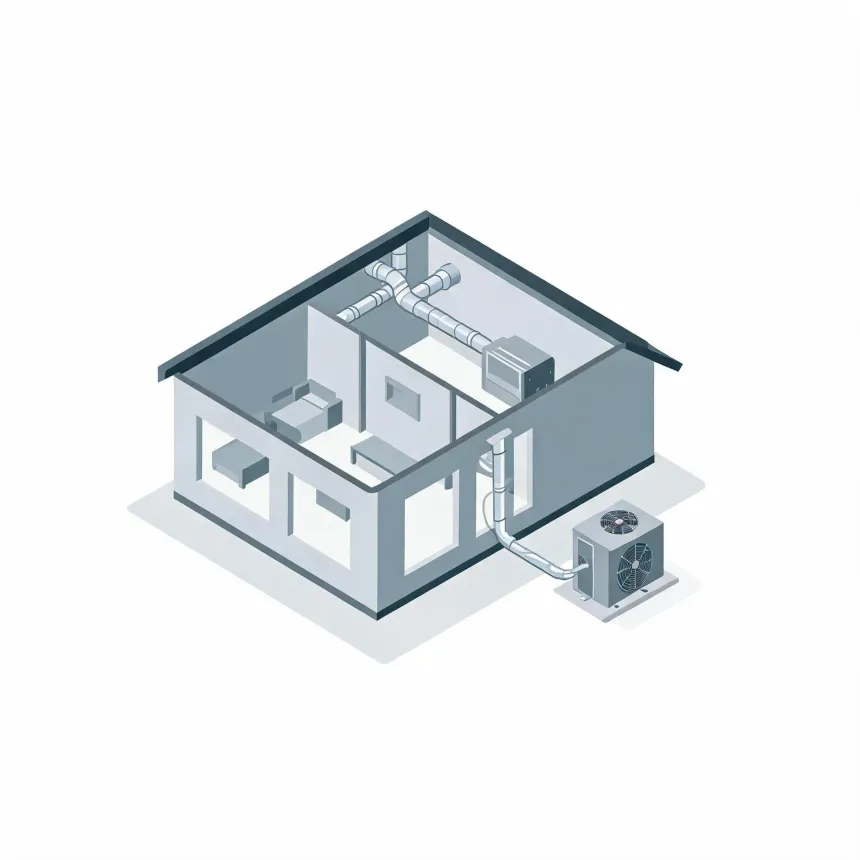
Installation day starts with taking the old equipment out, not putting the new in. The outdoor unit gets disconnected, the indoor coil or air handler comes out, and any duct changes happen before the new equipment goes in its place. The new outdoor unit gets set on its pad or mount, and the lines running to the indoor unit get connected, sealed, and pressure tested before any refrigerant goes in. That pressure test matters more than it sounds like it should, because a slow leak that shows up later usually traces back to a joint that didn't get checked properly on install day. Electrical work is its own piece, especially when a new circuit has to be run to feed the unit. Once everything is connected, the system gets charged, started up, and run through both heating and cooling before anyone calls the job finished.