Outages are common here
Close to a quarter of Washington households lost power for a day or more in 2024. A heat pump needs electricity to run, so an outage that long means no heat until the power is back.
Takes about a minute. No obligation.
Close to a quarter of Washington households lost power for a day or more in 2024. A heat pump needs electricity to run, so an outage that long means no heat until the power is back.
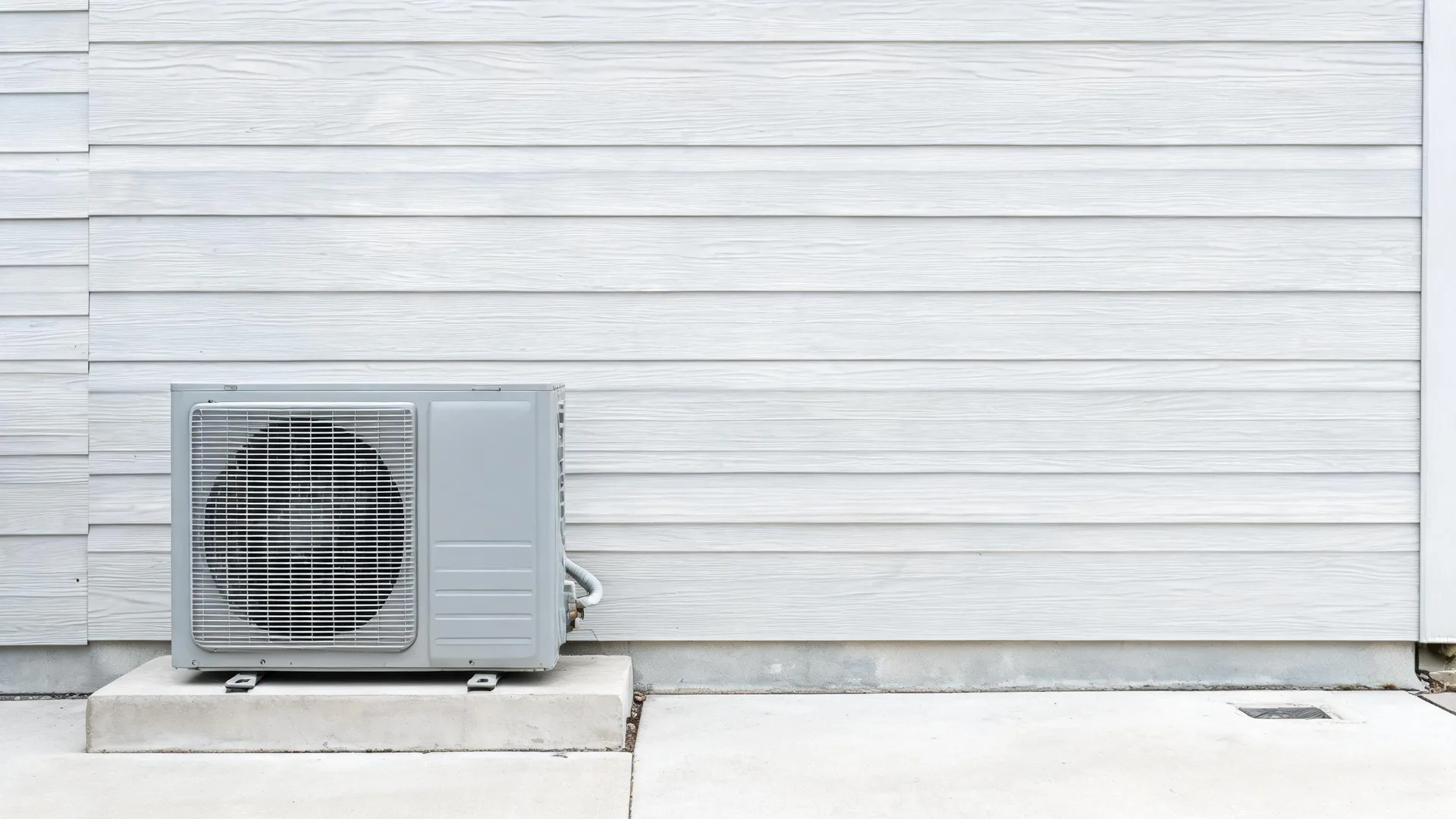
The outdoor unit sits outside through every storm that comes through. Ask the installer about a spot that keeps it clear of falling branches and away from where hail and blown debris hit hardest.
Electricity already heats more than half the homes in Snohomish County.
A heat pump fits the wiring and panel capacity most houses here already have.




Winter lows around here average 30°F through December, January and February. That's mild. A heat pump works hardest when it's trying to pull heat out of air that's near freezing or below, and here it rarely has to. Most nights it's doing its job without strain. That matters when you're picking a system, because you don't need to pay for the highest efficiency rating on the market to stay warm in a Snohomish County winter. A mid-range unit sized right for your house will do the work most nights ask of it.
Snohomish County falls under the 2021 energy code's zone 4C, and any split-system heat pump installed here has to clear federal minimums of 14.3 SEER2 and 7.5 HSPF2. That still leaves room to choose, since a mid-range unit sized right for your house clears that bar without trouble. A federal tax credit is available for qualifying installations, which is worth asking your contractor about before you settle on a system.
Find a contractor
Nights here sit around 30°F in the dead of winter. A heat pump spends most of its time a few degrees below that line, not down near zero, so the compressor isn't grinding through its hardest range night after night. That's the case for sizing a mid-range unit to your house instead of paying for the top of the line. Put the money toward getting the size right and the installation done well.
SEER2 rates cooling, how much heat the system moves out of your house for the electricity it uses in summer. HSPF2 rates heating, the same idea run the other direction for the months it's keeping you warm. A unit can be strong on one and average on the other, so look at both numbers, not just the one on the yellow sticker that catches your eye.
The rating describes efficiency at full output, not what the unit does on an average night. A system sized right for your house spends most of its time running well below that peak, so a jump in either number buys less than it looks like it does on the label. Where that extra efficiency earns its keep is in a house that runs the system hard and often, not one that only needs it to work a few degrees past comfortable.
Ask what size unit they're proposing and how they got that number. It should come from a load calculation on your house, not a rule of thumb based on square footage or whatever the old system happened to be. Too big and it short cycles, turning on and off without running long enough to dehumidify the air properly. Too small and it runs constantly, straining to keep up on the coldest nights. Ask too about the ductwork, if you have it. A system can be sized right and still underperform if the ducts feeding it are too small, leaky, or poorly laid out. And ask what happens to the backup heat, if the house has a furnace or strip heat behind the heat pump. Where that switchover happens, and how it's controlled, affects comfort and running cost both.
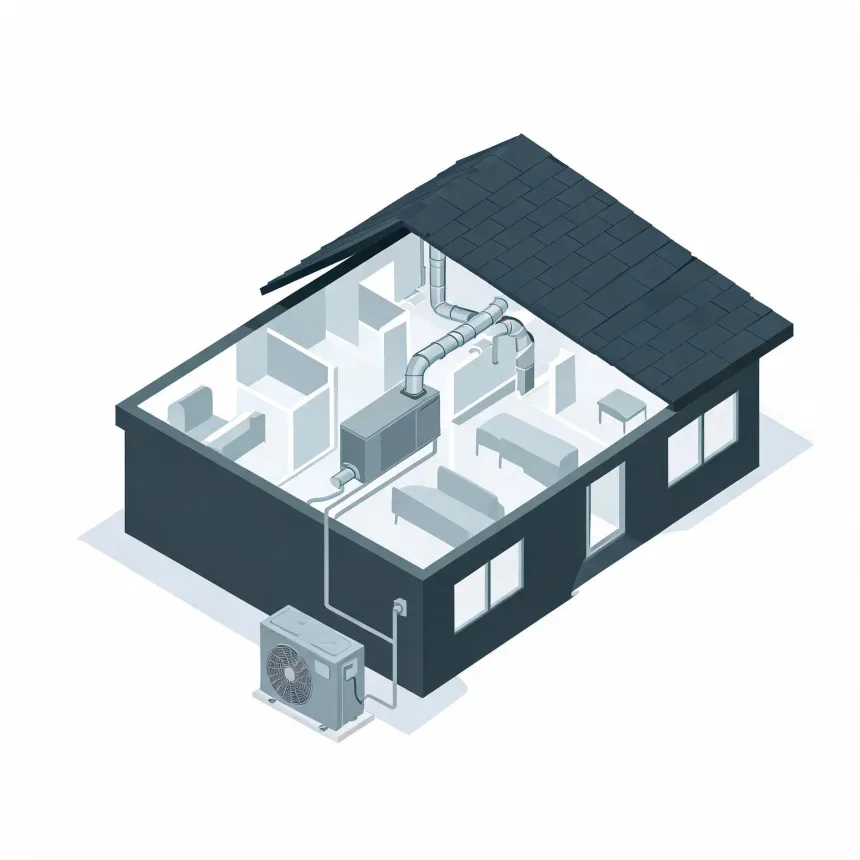
Installation day starts before anyone touches the old equipment. The crew will shut down and disconnect the existing system first, draining refrigerant lines if there's a coil to pull or capping gas and ductwork if a furnace is coming out too. Setting the outdoor unit comes next, on a level pad with clearance on all sides for airflow. Inside, the air handler or coil gets tied into the ductwork, and the line set connecting indoor and outdoor units gets run, brazed, and pressure tested before anything is charged with refrigerant. Electrical work usually means a dedicated circuit and disconnect box near the outdoor unit, sized to what that system draws. Once everything's connected, the system gets charged to the manufacturer's spec, not just topped off by feel, and the crew should run it through both heating and cooling modes before they leave to confirm it's holding temperature and cycling the way it should.