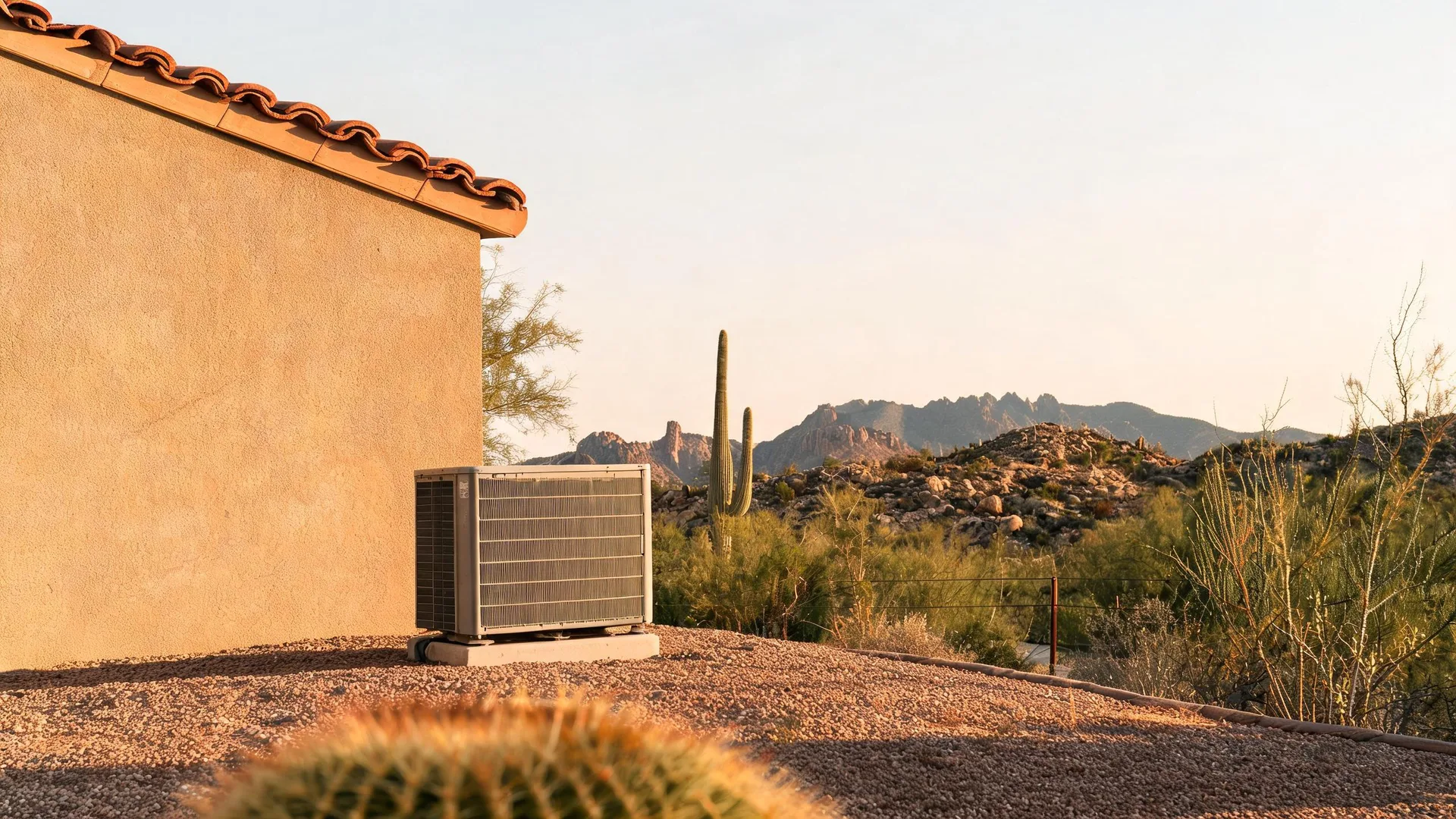
Zone 5B sets the floor
Moses Lake falls under zone 5B in the 2021 energy code, a cool zone where heating carries most of the load. Any heat pump going in has to work as a heating system first, not just a summer add-on.
Takes about a minute. No obligation.
Moses Lake falls under zone 5B in the 2021 energy code, a cool zone where heating carries most of the load. Any heat pump going in has to work as a heating system first, not just a summer add-on.
A split-system heat pump has to hit at least 14.3 SEER2 for cooling and 7.5 HSPF2 for heating. That standard narrows the field before you even start comparing brands, since anything below it can't legally go in here.

NOAA nClimDiv, 1991–2020 normals
Electricity already heats 94.4% of homes in Grant County.
A heat pump fits the wiring and setup most homes here already have.




Electricity in Washington ran 11.90 cents per kilowatt-hour in 2024, well under what most of the country pays. That changes the math on which heat pump makes sense. A top-tier model costs more up front and takes longer to earn that back when power is already cheap. It still might be the right call, but not because of the electric bill. What matters more here is whether the unit keeps running when a storm knocks out power, and whether it's sized right for a house that leans on it most of the year.
A new system here has to meet this region's minimum efficiency, which limits what can go in.
Find a contractorWhoever installs the new unit still has to deal with what's already sitting outside. An old heat pump or AC holds refrigerant, and that has to be recovered properly before the unit comes out, not vented. If it's a heat pump being replaced, the old outdoor unit and indoor coil usually both come out together, since they're matched to each other and to the old refrigerant charge. The line set gets inspected too. If it's the wrong size for the new system or the old flare fittings are worn, it gets replaced rather than reused. Old electrical whip and disconnect get checked against what the new unit needs, since amperage draw can differ between units. None of this is a separate project. It's part of pulling the old system and setting the new one so it actually runs the way it's rated to.
A heat pump too large for the house will short cycle. It kicks on, satisfies the thermostat fast, and shuts off before it has run long enough to warm the place evenly or pull moisture out of the air when it's cooling. That short run time wears on the compressor over the life of the unit. Oversizing doesn't make a home comfortable faster. It makes the system work in bursts instead of a steady stretch.
Sizing comes from a room by room heat loss and heat gain calculation, not a guess based on floor space. It accounts for window area and orientation, insulation levels, ceiling height, and air leakage. Houses built the same size can still need different equipment depending on how they're put together. A contractor worth hiring runs this calculation before quoting equipment, not after.
Ask what happens below freezing, because every heat pump loses capacity as the outdoor temperature drops, and the number that matters is how much heat it still puts out at the coldest point it'll see. Ask whether the quote includes a backup heat source and how the system decides to use it. Ask for the sound rating, since the outdoor unit sits close to a window or a neighbor's wall more often than people plan for. Ask what the warranty actually covers, parts versus labor, and whether it's void if someone other than the installer services it later. Ask how the contractor arrived at the size, not just what size they landed on. A number without the math behind it is just a guess with a label on it.
Installation day starts with the old equipment coming out and the site getting prepped, so expect the power and possibly the gas shut off for stretches while that happens. The indoor coil and air handler or furnace connection get swapped first in most cases, since the line set runs between that and the new outdoor unit. Setting the outdoor unit means a level pad, proper clearance from the wall, and enough room around it for airflow. Once it's mounted, the line set gets connected, pressure tested for leaks, then evacuated to pull moisture and air out of the lines before refrigerant goes in. The electrical hookup and control wiring to the thermostat come next, and the system gets charged to the manufacturer's spec rather than just topped off by feel. Before anyone leaves, it should run through a full cycle in both heating and cooling so you can hear it, feel the air at the vents, and confirm the thermostat is actually talking to the unit.