Most homes here already run on electricity
Electricity heats 72.4% of occupied homes in Mason County. A heat pump fits that setup without any new fuel line or gas service to plan around.
Takes about a minute. No obligation.
Electricity heats 72.4% of occupied homes in Mason County. A heat pump fits that setup without any new fuel line or gas service to plan around.
Since most homes already have electric heat, a heat pump installation usually ties into wiring and a panel that already support electric equipment. That makes this a more straightforward swap than converting a gas or propane system.

Heat here runs from September through June, about ten months of the year.
August is the one month you can plan this install without racing the first cold morning.




Shelton falls in zone 4C, a mixed climate that asks real work of both heating and cooling. Any split-system heat pump installed now has to meet 14.3 SEER2 for cooling and 7.5 HSPF2 for heating. That's a federal minimum, so it applies here the same as anywhere else in the country. It narrows the field some, but it also means you're not choosing between an efficient system and a cheap one that falls short. A federal tax credit is available on top of that for equipment that qualifies.
With power this cheap, a few extra efficiency points won't carry the decision on their own. Put the weight on sizing the heat pump to your house and getting it installed right, since that's what determines how it runs for years.
Find a contractor
At 33°F the compressor isn't working hard to pull heat out of the air. It doesn't need to be the biggest unit on the lot or the one with the highest rating. A mid-range heat pump, sized right for your square footage, will hold up fine here for years. Put the thought into getting the sizing and the installation right. That matters more than the number on the sticker.
A contractor has to work out how much heat your house loses in winter and gains in summer before quoting equipment. That means measuring square footage, checking insulation, counting windows. A unit sized too small runs constantly and never quite keeps up. One sized too big cycles on and off and wears out faster. The load calculation shapes which equipment fits, and that decision carries most of the price with it.
If the ductwork is in good shape and sized right for a heat pump, the crew connects to it and moves on. If the ducts are leaky, undersized, or missing in parts of the house, that work gets added to the job. The electrical panel matters too. Heat pumps draw power at startup, and some panels need upgrading to carry that load. The condition of what's already in the walls, not just the new equipment, decides how much labor the install takes.
Ask what happens on the coldest morning of the year. Every heat pump has a balance point, the outdoor temperature below which it can't pull enough heat from the air to keep up on its own, and below that it leans on backup heat strips or a furnace to fill the gap. Ask what that balance point is for the specific equipment being quoted, not the brand's best model. Ask how the contractor arrived at the size, and ask to see the load calculation rather than take a number off the old system's nameplate. Ask what the warranty covers on the compressor versus the labor to replace it, since those are often different lengths. And ask what maintenance the system needs to hold its efficiency, because a heat pump that never gets its coil cleaned or its refrigerant charge checked won't perform like the one on the spec sheet.
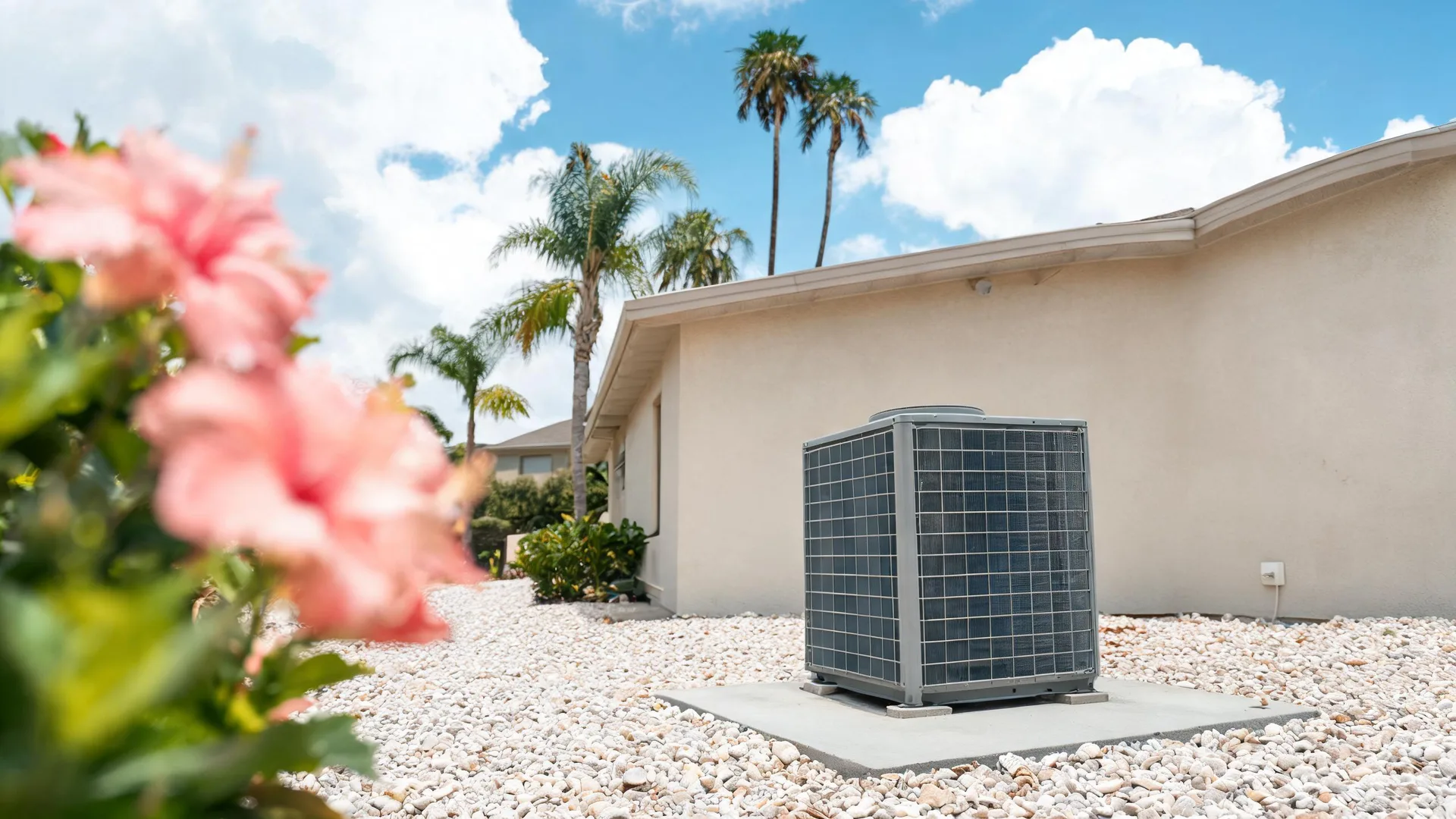
Installation day starts with the outdoor unit and the air handler or indoor coil, set in place and connected by refrigerant line. The crew sets the pad or bracket outside, runs the lines, and wires both halves to the disconnect and the panel. If ductwork is already in place, they tie into the existing supply and return and pressure test the connections before anything gets charged with refrigerant. The system gets vacuumed down to pull moisture and air out of the lines, then charged to the manufacturer's spec, not just topped off by feel. Once it's running, a tech checks airflow at the vents, checks the temperature split between return and supply air, and confirms the thermostat is controlling the right stages. The whole job gets inspected before anyone calls it finished, since a heat pump that's undercharged or poorly sealed will run worse than the sticker says for as long as it's in the house.