A grey air-source heat pump outdoor unit mounted on a concrete pad next to a modern white-rendered residential house.

Heat Pump Installation in Stevenson, WA

Tell us about the job

Takes about a minute. No obligation.

New system or replacementHeat PumpSkamania County, WA
Step 1 of 2

What ZIP code is the job in?

Most homes here run on electricity

Electricity heats 55.9% of occupied homes in Skamania County, more than any other fuel. Gas reaches only 13.0%, with LP or bottled gas at 9.7%. A heat pump fits a house already wired for electric heat without adding a fuel line it never had.


Your panel is already set up for this

Swapping electric resistance heat or an older electric furnace for a heat pump means the home's existing electrical setup is already doing the kind of job a heat pump needs. That makes this one of the more straightforward installations for a house like yours, compared to converting a gas system over to electric.

10 months
September through June, your system heats
29°F
the average winter night it heats against
70°F
the average summer afternoon it cools against
Isometric cutaway illustration of a single-story house showing interior ductwork, an air handler and rooms, with an outdoor condenser unit connected by refrigerant lines on a plain white background.

Nights here average 29°F in December, January and February, not far below freezing.

A heat pump sized for a mild winter low still has an easy time of it most nights.

Cheap power makes a heat pump an easy fit hereWashington homes paid 11.90 cents per kilowatthour in 2024

Skamania County sits in climate zone 5B, a cool zone where heating carries more of the load than cooling. Any split-system heat pump installed here, if manufactured from 2023 onward, has to meet a federal minimum of 14.3 SEER2 for cooling and 7.5 HSPF2 for heating. That floor applies everywhere in the country, but it matters more in a zone like this one, where the heating side of that rating does most of the work over the course of a year. A contractor quoting a system below those numbers isn't quoting something that can legally go into your home. Anything at or above it is a question of how much higher you want to go, not whether the minimum is met.

Pick reliable, not top of the line

It won't be worked hard here, so pick a reliable system that fits. You don't need the top efficiency model.

Find a contractor
A man in a cap, dark jacket and tan work pants carries a canvas tool bag up concrete steps toward a dark blue front door, with a potted shrub beside the entry.
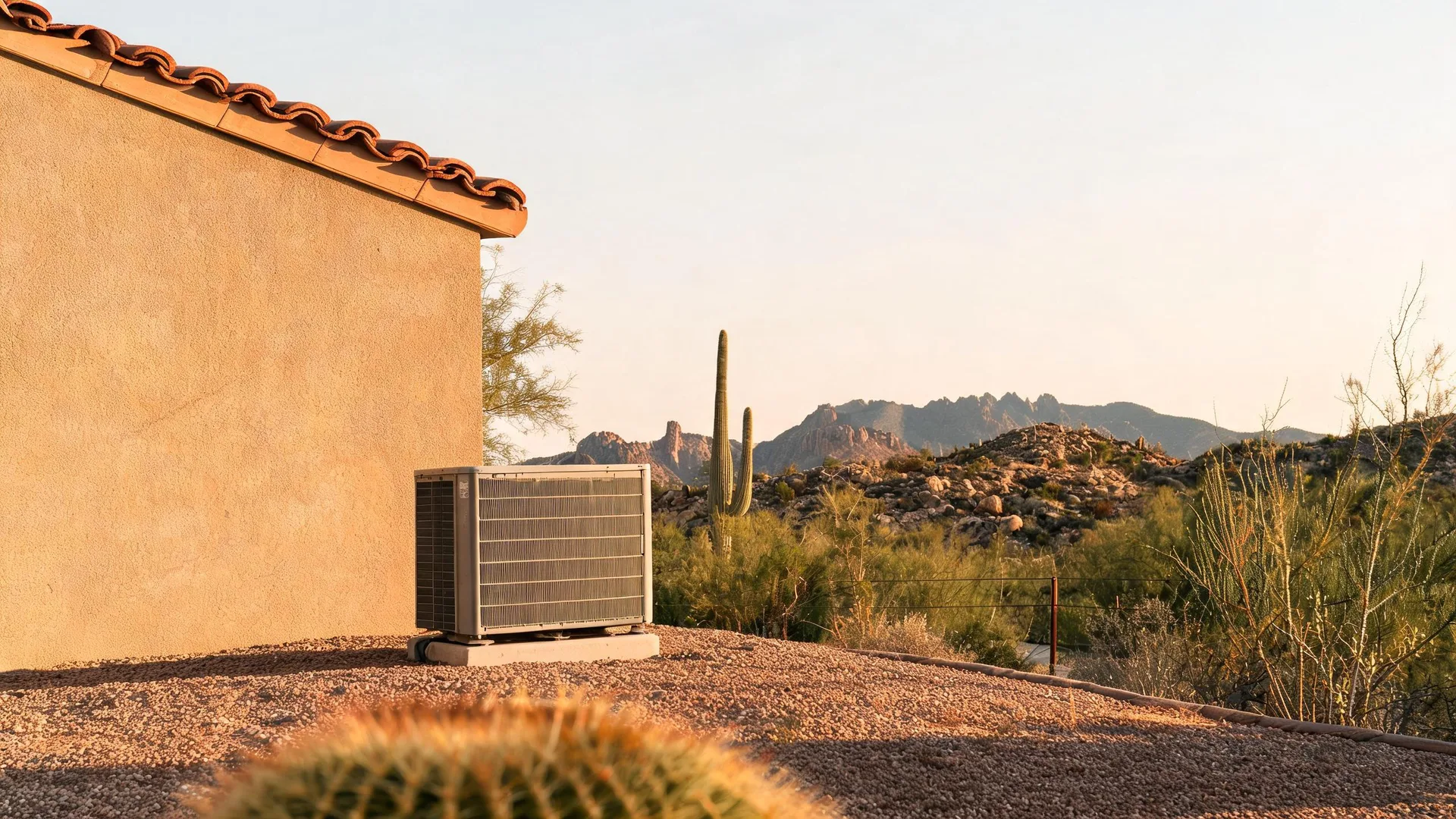
A gray heat pump outdoor unit mounted on a concrete pad next to a residential house with lap siding and stone accents.

The install cost rides on what's already there, not just the equipment

Installation cost comes down to what has to change, not just what gets set in place. If the new system matches where the old equipment sat and uses the same line set and electrical hookup, a crew can do a straight swap. If the ductwork is undersized for a heat pump's airflow, or the electrical panel doesn't have room for a new circuit, that work gets added before the heat pump itself goes in. Outdoor unit placement matters too. It needs clearance on all sides and a path for condensate to drain away from the house. A system sized correctly for the home costs less to install than an oversized one, and it runs better besides. None of that shows up until someone has measured the place, which is why homes that look alike from the outside can still get different quotes for the same equipment.

Sizing is a calculation, not a guess from square footage

A contractor works out heat pump size with a room by room load calculation that accounts for insulation, window area, ceiling height and air leakage, not a flat rule based on floor space. Homes that look alike from the outside can need different equipment depending on how they're built. The result tells the installer how much heating and cooling capacity the house actually needs at its coldest and hottest hours.

Oversized or undersized, the home ends up uncomfortable

A heat pump that's too big cycles on and off instead of running long, steady stretches, so rooms swing in temperature and the system never dehumidifies well in summer. One that's too small runs constantly and still can't keep up when it's coldest, leaning hard on backup heat strips to make up the difference. The right size runs longer, gentler cycles that hold a steady temperature and put less wear on the compressor.

When you're comparing quotes, ask what happens below freezing. Every heat pump has a balance point, the outdoor temperature where it can no longer pull enough heat from the air to keep up on its own, and that's when backup heat kicks in. A contractor who's done the load calculation can tell you where that point sits for your house and that specific system. Ask about the backup heat itself too. Electric resistance strips work but cost more to run than the heat pump compressor does, so a unit that leans on them constantly in cold weather is either undersized or poorly matched. Ask about sound rating for the outdoor unit, especially if it'll sit near a window or a neighbor's wall. And ask what refrigerant it uses, since that affects whether parts and service stay easy to find down the road.

Installation day starts with the old equipment coming out, not the new one going in. The crew disconnects the line set and electrical first, then pulls the indoor and outdoor units. If the new heat pump uses the same line set path and the same electrical hookup, the swap goes fast. Setting the outdoor unit means leveling a pad, connecting the line set, and wiring in the disconnect box, then the indoor coil or air handler gets tied into the ductwork. Once both ends are connected, the line set gets evacuated to pull out moisture and air before refrigerant goes in, because trapped air or moisture in the line set will wreck how the system runs. Only after that does the crew power it on and check refrigerant charge, airflow, and temperature split before calling the job done.