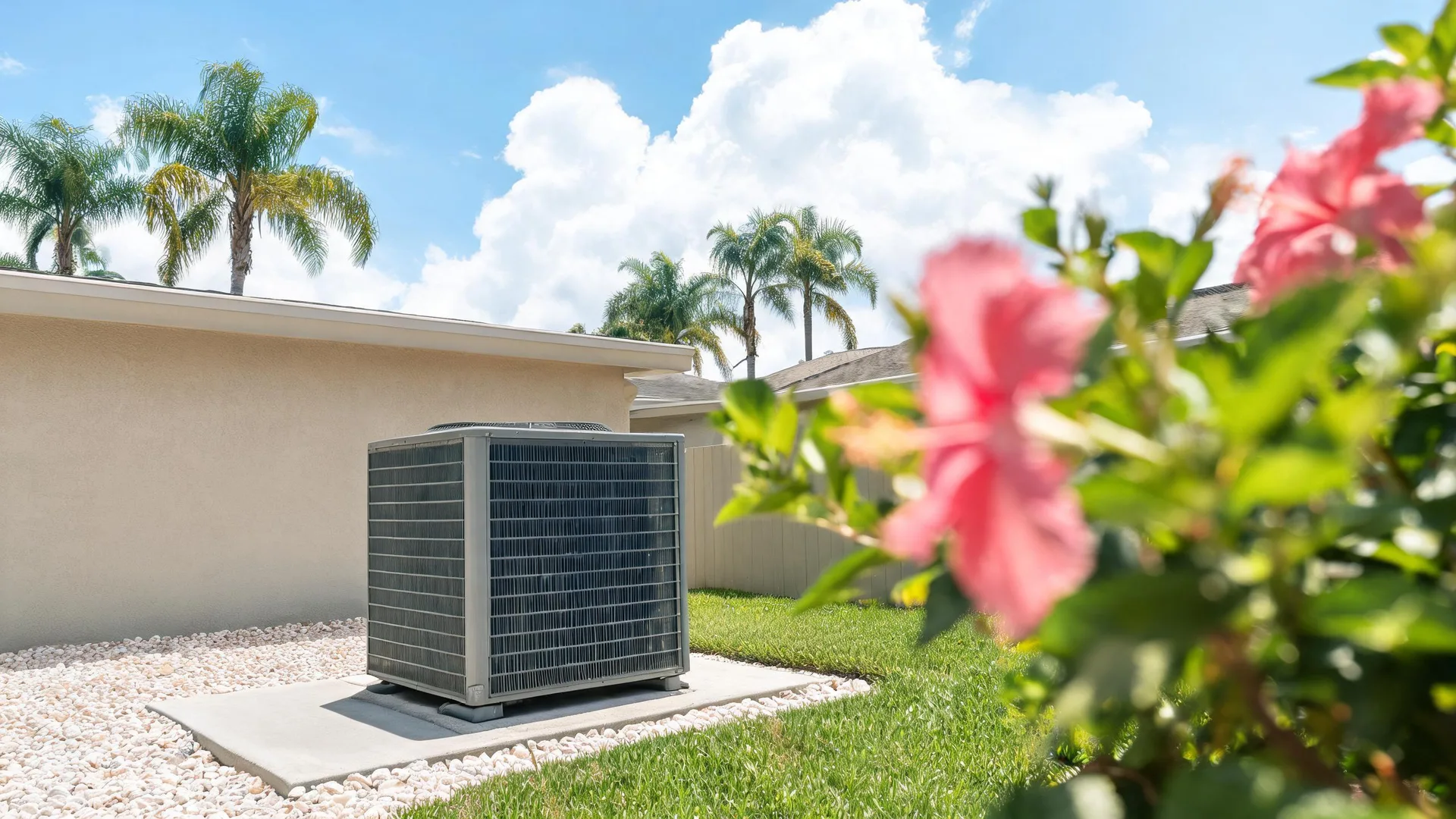
A grey air-source heat pump outdoor unit mounted on a concrete pad next to a modern white-rendered residential house.

Heat Pump Installation in Walla Walla, WA

Tell us about the job

Takes about a minute. No obligation.

New system or replacementHeat PumpWalla Walla County, WA
Step 1 of 2

What ZIP code is the job in?

Most homes here already run on electricity

Electricity heats 57.5% of occupied homes in Walla Walla County. Utility gas comes in well behind at 36.6%. A heat pump fits the wiring and setup already in place for most homes here instead of asking for something new.


What that means for this job

If your home already heats with electricity, a contractor can plan the heat pump around the panel and circuits you have rather than adding a gas line or new venting. That's one less thing to work out before installation, and one less thing to compare against.

8 months
October through May, your system heats
2 months
July through August, it cools
29°F
the average winter night it heats against
86°F
the average summer afternoon it cools against
Isometric line illustration of a cutaway house showing interior rooms with furniture, ceiling ductwork under a dark shingled roof, and an outdoor condenser unit connected by lines on the right.
Your system heats October through May and cools July through August.

NOAA nClimDiv, 1991–2020 normals

Winter storms hit Walla Walla County 67 times between 2015 and 2024.

A heat pump sized right for this place will hold up fine against that.

Half the homes here were built by 1973, and a heat pump has to work with the house that's already standing

Half the homes here were built by 1973
37 damaging wind events from 2015 to 2024
67 winter storms from 2015 to 2024

Electricity in Washington ran 11.90 cents per kilowatthour in 2024, well below the national average. That changes the math on which heat pump to buy. A higher-efficiency model costs more up front and saves on a bill that's already low, so the payback stretches out longer than it would somewhere with pricier power. That doesn't make efficiency worthless, but it means it shouldn't be the only thing driving the decision. A contractor can walk through the difference between a standard and high-efficiency model against what you'd actually save here, so you're sizing the choice to your power rates and not a number from somewhere else.

Get a heat pump in before October

Heat runs here from October through May, eight months out of the year. June is before cooling starts in July, and September is before heat starts in October. Installing before one of those months means the system is ready when you need it, not while you're already running it.

Find a contractor
A gray heat pump outdoor unit mounted on a concrete pad next to a residential house with lap siding and stone accents.

Cold, but not a hard cold

Winters average 29°F at night, cold enough to run a heat pump often from December through February. It's not extreme cold working against the system day after day. Wear on a heat pump comes from hours run and how hard it works each hour, and here it isn't pushed to its limit to keep a house warm. That means a mid-range system can hold up well for years. What catches up with a heat pump here is usually age or a part that was never serviced, not the demands of the climate.

The old furnace or AC doesn't stay behind

Installing a heat pump usually means removing what's there now, whether that's a furnace, an old AC condenser, or both. The indoor coil, the outdoor unit, and often the thermostat and line set get pulled out as part of the job, not left in place as a backup.

A gas furnace still needs to go even if you keep the gas line

If the home has a gas furnace paired with central air, swapping in a heat pump usually means the furnace comes out and the ductwork gets reconnected to the new system. Some setups keep a gas furnace as backup heat alongside the heat pump, so it's worth asking a contractor whether removal or dual-fuel makes sense for the equipment already in place.

Systems carrying the same efficiency rating can still perform differently once installed, so ask what size each contractor is proposing and how they got there. Sizing should come from a load calculation on the house, not a guess based on square footage or what the old system was rated for. A heat pump that's too big cycles on and off instead of running long, steady stretches, and that short cycling wears on the compressor. One that's too small runs constantly and still struggles to keep up on the coldest nights. Ask about the backup heat too, whether the system leans on electric resistance strips when it's working hardest, and how that's wired into the controls. The equipment matters, but the sizing and the setup decide how it actually runs in your house.

Installation day starts with pulling the old equipment out, not setting the new unit down next to it. The indoor coil and outdoor unit come out first, then the line set gets disconnected and usually replaced rather than reused. A contractor will mount the new outdoor unit on a pad or bracket, run new refrigerant lines, and connect the indoor coil to the existing ductwork. Once everything's connected, the system gets charged with refrigerant and tested, which means running it in both heating and cooling mode to check temperatures at the vents and pressures in the lines. The thermostat gets wired and programmed last, since the backup heat settings and any staging depend on how the rest of the system is set up. None of this works well rushed, and a system that's charged wrong or tested in only one mode can run for months before the problem shows up.