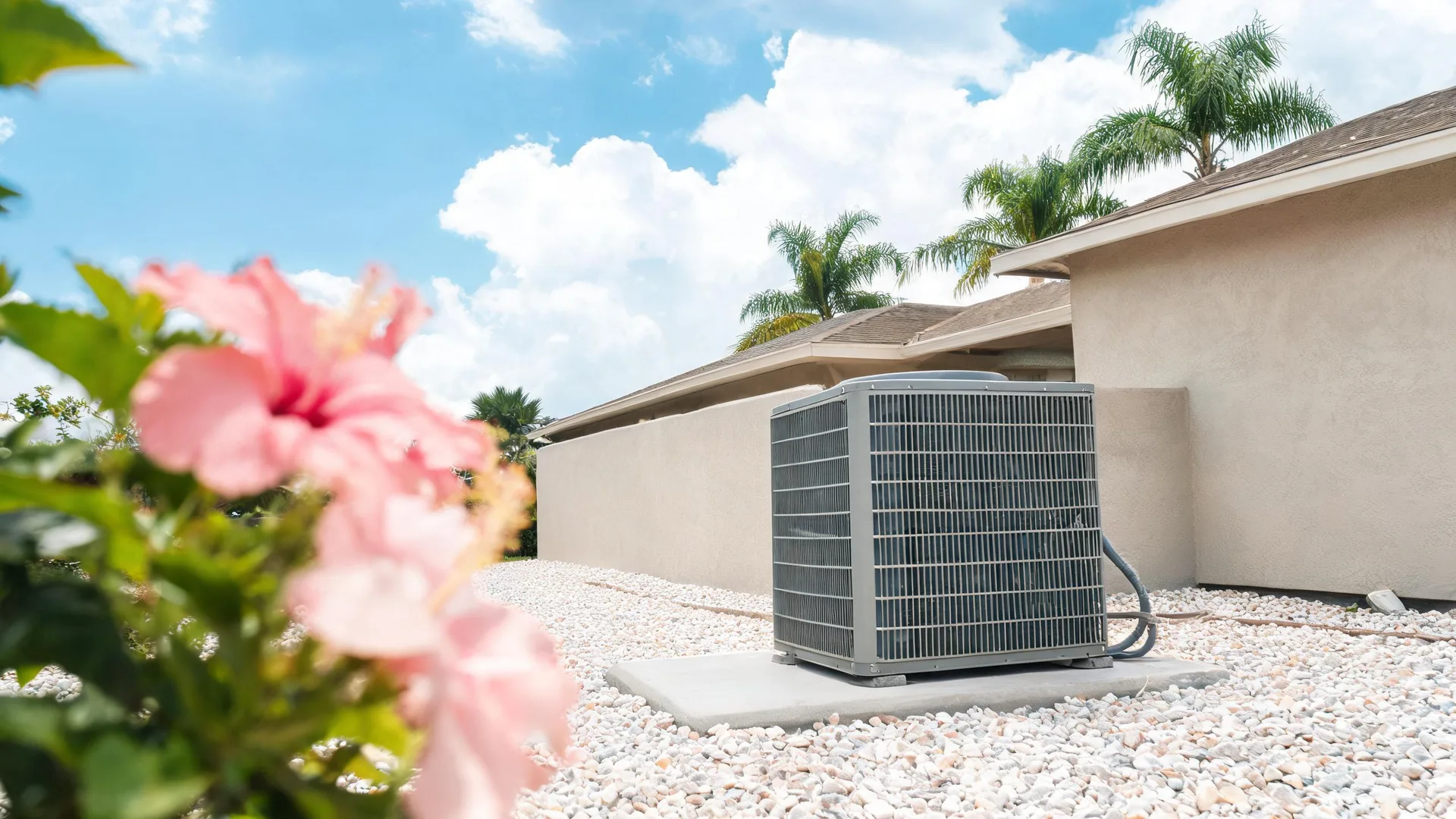
Most homes here already run on electricity
Electricity heats 68.3% of homes in Yakima County, far more than gas. A heat pump fits that setup instead of fighting it.
Takes about a minute. No obligation.
Electricity heats 68.3% of homes in Yakima County, far more than gas. A heat pump fits that setup instead of fighting it.
Swapping in a heat pump where electric heat already runs means the wiring and setup an electric system needs is probably already there, which is one less thing the contractor has to add.

NOAA nClimDiv, 1991–2020 normals
Half the homes in Yakima County were built in 1977 or earlier, half in 1977 or later.
A standard heat pump sized for the home works for either one, no special case to make here.




Heat runs here from September through June, about ten months of the year. July is the only month cooling takes over. That lopsided split is worth keeping in mind when you're scheduling an install, because a heat pump is doing most of its work as a furnace replacement, not an AC replacement. Get it in before September and it's running on your timeline. Wait until the first cold snap and you're asking a contractor to fit you in while everyone else with a dead furnace is calling too.
Winters here average 24°F overnight, cold enough that a heat pump has to work for its keep, but it isn't fighting the extremes some places see. A right-sized system handles what Yakima asks of it without paying for capacity you won't use.
Find a contractor
What you're paying for in a heat pump install is mostly labor and the size of the unit, not a single part. A contractor has to run a load calculation on the house, because a unit too big cycles on and off and wears out early, and one too small runs constantly and still can't keep up on the coldest nights. Ductwork matters too. If the existing ducts are undersized or leaky, sealing or modifying them adds to the job before the unit itself ever gets set. Electrical work is often part of it, since a heat pump draws differently than a gas furnace and the panel or circuit may need upgrading to handle it. Outdoor placement counts as well, the unit needs clearance and a pad, and running the line set between indoor and outdoor units is more work the farther apart they sit. None of this is optional or padding. It's what separates a system that runs quietly for years from one that's fighting its own setup from day one.
Every heat pump has a rated output that drops as the air outside gets colder. The spec sheet number means little by itself. What matters is what the unit still puts out at the coldest temperatures it'll actually see here, and whether that number covers the house without the backup heat carrying most of the load.
Most heat pumps pair with electric resistance backup for the coldest stretches. Some systems hand off to backup heat earlier than they need to, which costs more to run than it should. A contractor who can explain the balance point and how it's set knows the equipment. One who can't is guessing at the install.
Sizing a heat pump comes down to a load calculation, not a rule of thumb based on square footage. A contractor measures how much heat the house actually loses through its walls, windows, attic and ductwork, then matches the equipment to that number. Skip this step and guess instead, and the system runs wrong. Oversized, it blasts the house to temperature fast, shuts off, and cycles on and off all day, which wears out the compressor early and leaves the air feeling clammy because it never runs long enough to pull moisture out. Undersized, it runs nonstop on the coldest days and still can't keep up, leaning on backup heat to make up the difference. The unit can be the right brand and the right efficiency rating and still be the wrong choice for the house if nobody ran the numbers first.
The efficiency rating on the label, usually HSPF for heating and SEER2 for cooling, tells you how much heat or cooling the unit moves for the power it draws. A higher rating means it does more with less electricity, but that number comes from lab conditions, not from your house on a cold morning. It assumes the unit is matched to the space and the ductwork is sealed and sized right. Pair a high-efficiency unit with leaky or undersized ducts, or put it in a house too big or small for what it's rated to handle, and it won't deliver the number on the sticker. The rating tells you what the equipment is capable of. Whether the house gets that depends on everything the contractor does around it.