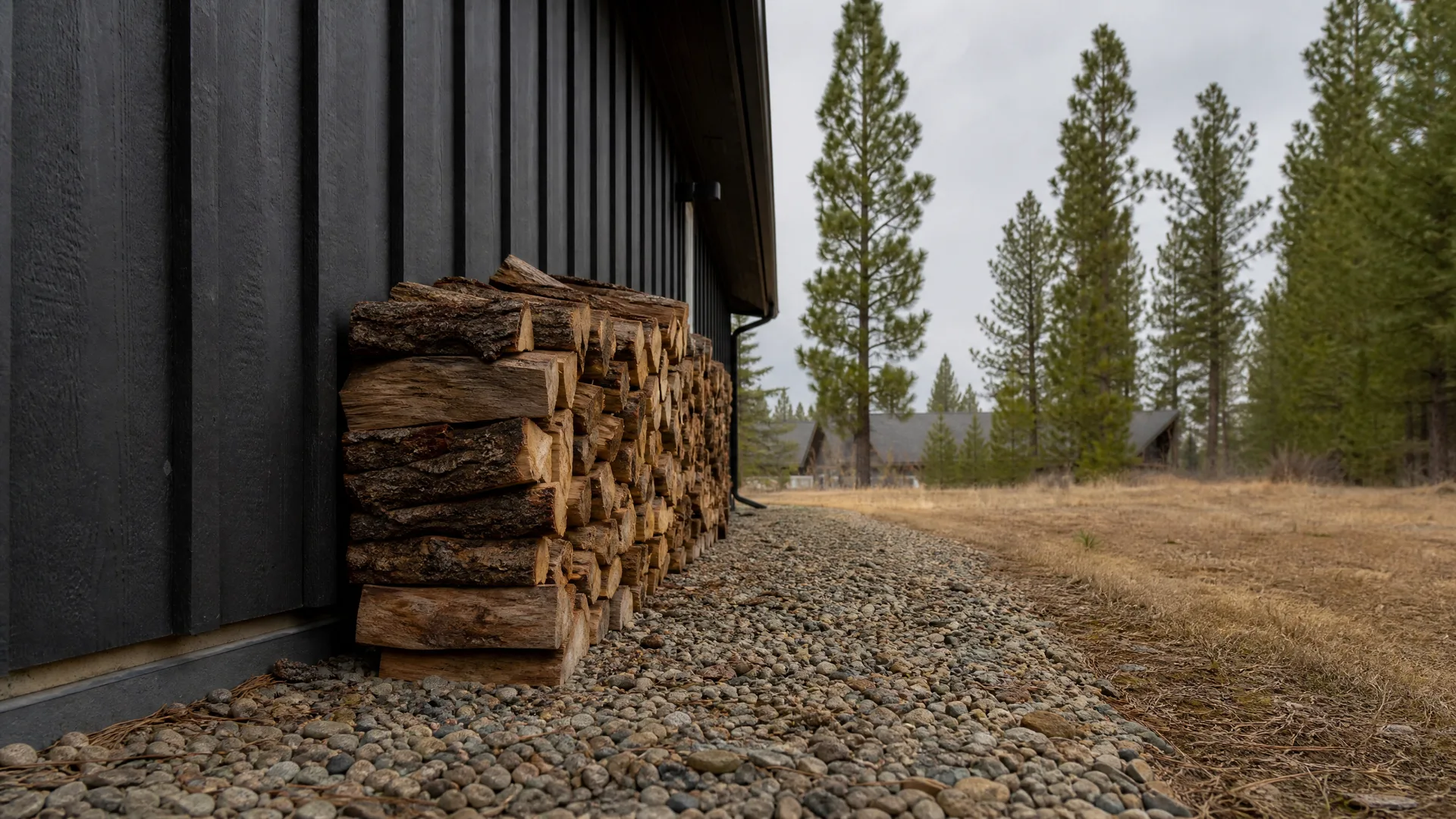




Firewood stacked against the dark vertical wood siding of a building, with a gravel border strip, dry grass, and pine trees under an overcast sky.

Heat Pump Repair in Colville, WA

Tell us about the job

Takes about a minute. No obligation.

RepairHeat PumpStevens County, WA
Step 1 of 2

What ZIP code is the job in?

Stevens County saw 319 winter storms between 2015 and 2024, more than any other kind of severe weather here. Heavy snow and ice are hard on a heat pump's outdoor unit, which has to keep pulling heat from the air no matter what's piling up around it. Wind and hail show up too, and either one can bend fins or crack the housing without stopping the unit from running. A heat pump that still turns on after a storm isn't necessarily fine. If yours took a hit from wind, hail or a heavy drift, it's worth having someone look before the next cold snap tests it.

10 months
September through June, your system heats
2 months
July through August, it cools
21°F
the average winter night it heats against
79°F
the average summer afternoon it cools against
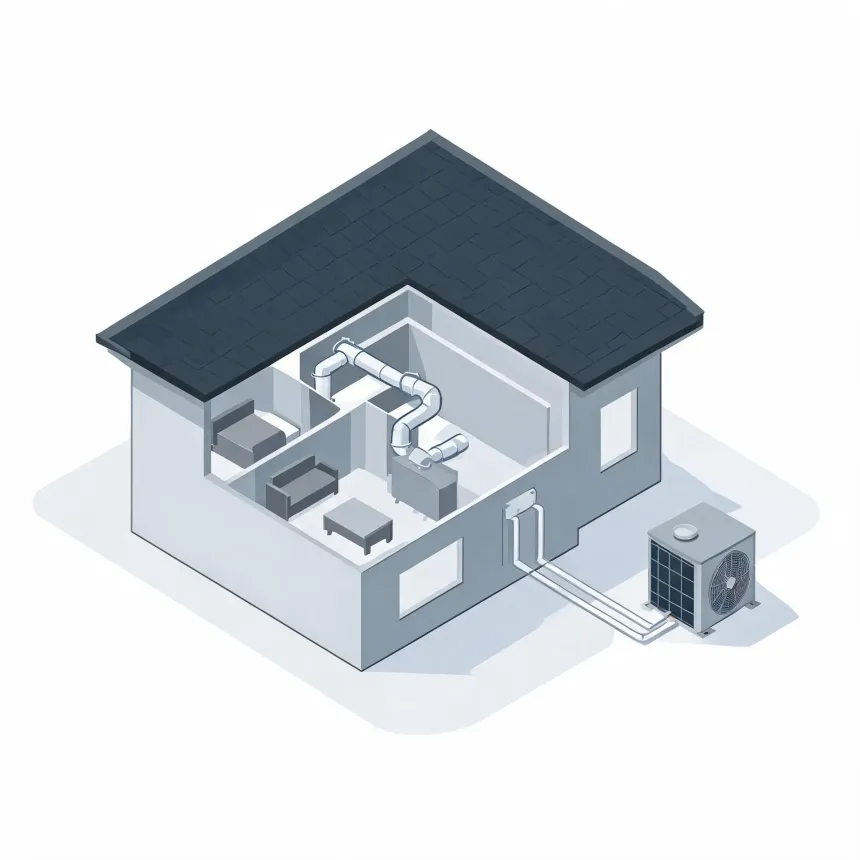
Isometric illustration of a cutaway single-story house showing interior ductwork, an indoor air handler and simple furniture, connected by lines to an outdoor condenser unit beside the building.
Your system heats September through June and cools July through August.

NOAA nClimDiv, 1991–2020 normals

Half the homes in Stevens County were built in 1985 or earlier.

A heat pump that old is more likely the reason for a breakdown than the storm that just passed through.

Power costs and storm counts in line with the rest of Washington

Power costs 11.9 cents a kWh statewide
31 damaging wind events from 2015 to 2024
12 hail events from 2015 to 2024

Heat here runs September through June, about ten months out of the year. August is the last quiet month before it starts up for good. That's the time a heat pump's weak points get tested, when it first has to run long hours pulling heat from cold air instead of cycling on and off in mild weather. A capacitor or contactor that was marginal all summer can fail in the first hard week of real demand. If your heat pump struggled last winter or you noticed it running strange toward the end of the season, don't wait for September to find out why.

This heat pump hasn't been worked as hard as you'd think

A heat pump here spends most of its work in mild cold, not deep cold. Overnight lows average 21°F in December, January and February, well short of the extremes that push a system to its limit. Wind, hail and snow show up often, 31 damaging wind events and 319 winter storms in the past decade alone, but that's weather hitting the cabinet, not heat demand wearing out the compressor. A unit that's been kept up has usually had an easier run than its age suggests, which means a repair now is more likely to hold.

Find a contractor
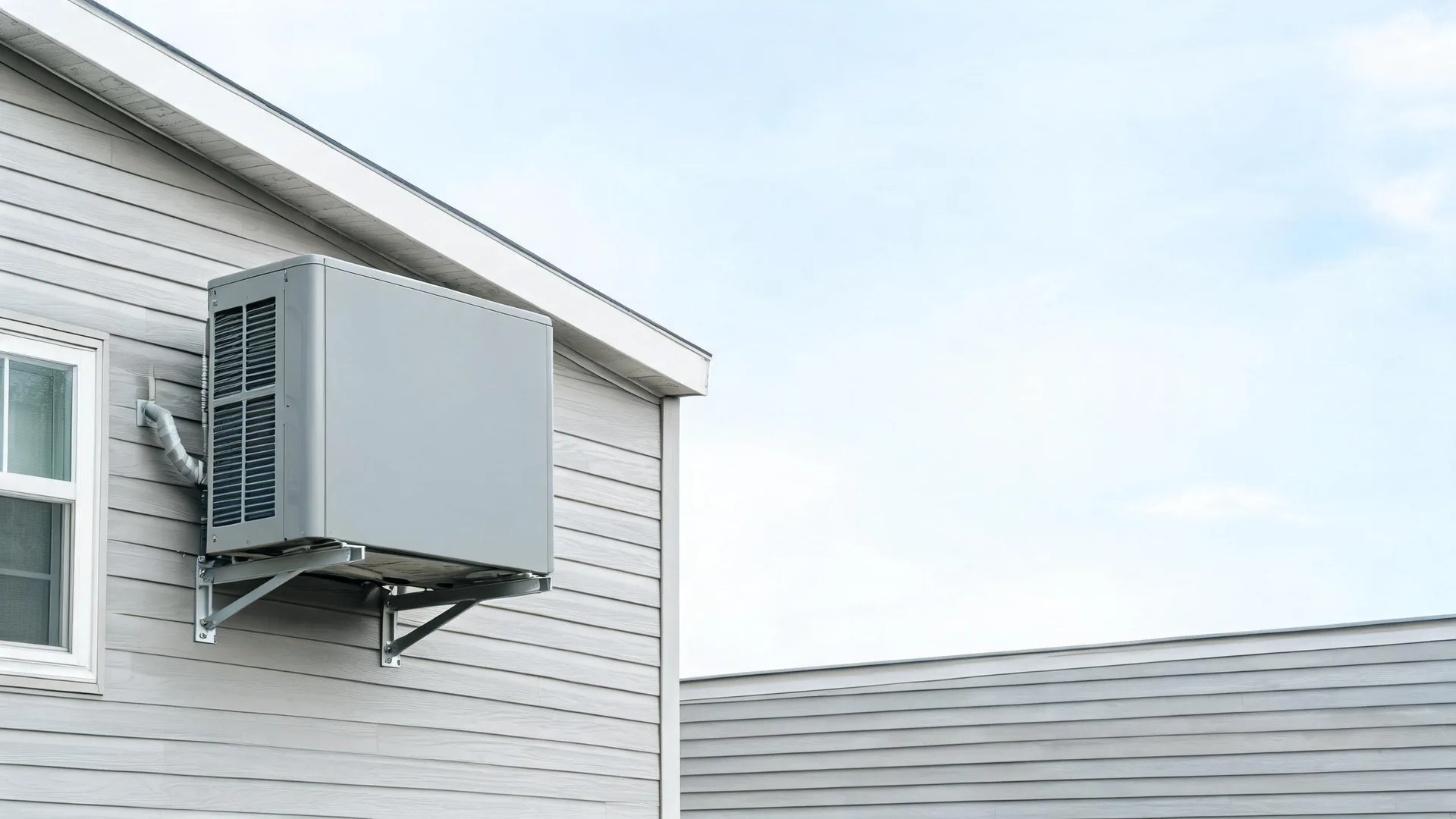
A gray outdoor HVAC unit mounted on a concrete pad beside a house with gray lap siding and a stone foundation.

Running through a problem is how a small one becomes a big one

A heat pump that's struggling doesn't fix itself by staying on. Low refrigerant is the clearest case. The unit can't sense the charge is low, so it just keeps running, pulling what heat it can out of a thinner and thinner supply of refrigerant. The compressor ends up working harder to move less heat, and that extra strain is what shortens its life, not the leak by itself. Ice is the same kind of problem. A coil that's not defrosting properly builds up ice a little more each cycle, which blocks airflow, which makes the unit run longer to hit the same temperature, which lets more ice form. Left alone, that cycle ends with a compressor that seized up doing a job the coil couldn't support anymore. A failing capacitor behaves differently but ends up in the same place. It still starts the compressor, just with a harder jolt each time, until one start doesn't take. None of these announce themselves loudly at first. They show up as a system that runs a little longer than it used to, or cycles a little more often, right up until the part that was already weak finally gives out.

The reversing valve is usually the first thing to go bad

The reversing valve is what lets a heat pump switch between heating and cooling, and it fails more than any other part in the system. A stuck valve can leave the unit blowing cold air when you need heat, or it can get noisy and start cycling oddly before it quits outright.
A refrigerant leak won't announce itself

A heat pump low on refrigerant just keeps running, worse every week. Ice builds up on the outdoor coil, the air coming out gets lukewarm, and the compressor works harder to make up the difference. Left alone long enough, that extra strain is what actually kills the compressor, not the leak itself.

A heat pump in trouble gives you clues before it quits for good. Short cycling is one, where the unit kicks on, runs a few minutes, then shuts off again and again instead of settling into a steady run. Warm air blowing when you've got it set to heat is another, especially if the outdoor unit is caked in ice that isn't melting off during the defrost cycle. Listen for it too. A low hum with no air movement points to a fan motor that's given out. Grinding or screeching usually means a bearing is going. A heat pump that runs constantly and still can't hold the temperature you set is working against something, low refrigerant, a failing compressor, or a reversing valve that won't fully switch. None of these get better by waiting.

A diagnostic visit starts with questions, not tools. When did you notice it, what were you hearing or feeling, has it happened before. Then the tech checks the thermostat call against what the unit is actually doing, heat called for but cold air coming out, or a call for heat that never gets answered at all. Gauges go on to check refrigerant pressure, since that alone rules in or out a whole category of problems. Electrical testing comes next, checking the capacitor's output against what it's rated for and checking the contactor for pitting or a coil that's gone weak. The outdoor unit gets opened up to look at the reversing valve and the coil itself, since ice or debris there tells its own story. Most of this gets done before anything is replaced, because the actual fault has to be found before it can be fixed.