Why your heat pump is blowing lukewarm air in Washington

Send the request today and stop worrying about who to call.

Let a pro reach out

Lukewarm air from a heat pump usually means it is stuck in defrost, low on refrigerant, or struggling with a dirty coil or failing reversing valve. The reversing valve is what switches the system between heating and cooling, and when it sticks halfway, the air coming out feels neither warm nor cold. A frozen outdoor coil does the same thing, since the unit spends its time trying to thaw itself instead of moving heat. Since most homes in Washington heat with electricity, this isn't a system you can just switch over to a furnace and wait out. A heat pump that can't get above lukewarm will keep running to try to catch up, and that shows up on your power bill even with Washington's low electric rates. Lukewarm air is rarely something that fixes itself. It tends to mean a part has already failed or is close to it, and the problem is worth having looked at before it leaves you without real heat on a cold morning.

An outdoor heat pump unit on a concrete pad beside a house corner, with a small electrical box and conduit on the wall, gravel border, grass, and a plain light-colored wall filling the right side.

What the reversing valve does

The reversing valve shifts the flow of refrigerant so the same outdoor unit can heat your house in January and cool it in July. When it sticks between positions, the system pulls warm and cool refrigerant through the coil at the same time, and the air coming out of your vents lands somewhere in between. A valve that is stuck does not fix itself. It needs a contractor to test it and replace it if it has failed.

A grey outdoor heat pump unit on a concrete pad beside a white stucco wall and dark siding with a downpipe, with gravel and grass in the foreground.

Why defrost cycles matter here

Washington winters put frost on the outdoor coil often enough that the system runs defrost cycles regularly to clear it. During defrost, the heat pump briefly reverses itself and pulls heat from inside your house to melt that frost, which is why you feel a few minutes of cool or lukewarm air at the vents. That part is normal. A unit that stays in defrost longer than it should, or cycles into it too often, points to a stuck valve, a failing sensor, or low refrigerant.

Is the air from your vents just not warm enough?

You hold your hand up to the vent and the air is moving but it is not warm, maybe just above room temperature. The outdoor unit might be running the whole time, maybe icing over, maybe cycling on and off more than it used to. Your thermostat says it is working toward the set temperature but the house is not catching up, and since this is likely your only source of heat, that gap matters more here than it would with a furnace backing it up. Left alone, a stuck valve or a dirty coil does not fix itself, and the unit keeps running without heating the house, which shows up on your power bill before it shows up as a repair.

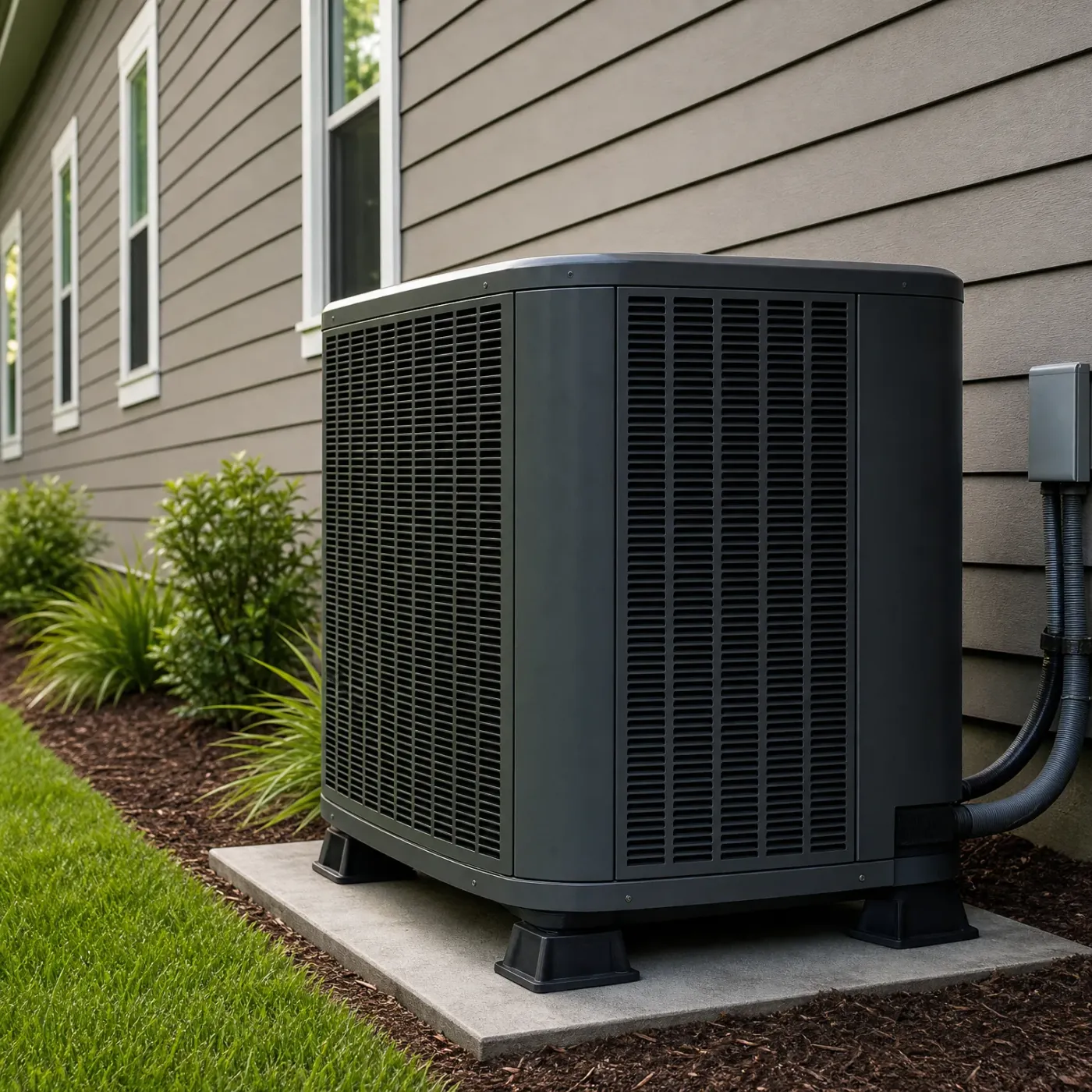
An outdoor condenser unit on a concrete pad beside a gray lap-sided house, with an electrical disconnect box and conduit on the wall and shrubs with mulch to the right.

Clean coil, clear airflow

The coil fins here are open and the unit sits clear of debris. Air moves through freely, refrigerant picks up heat the way it should, and what reaches your vents is actually warm. Nothing is making the system work harder than it has to.

An outdoor air conditioner condenser unit on a concrete pad beside a house with horizontal vinyl siding, with refrigerant lines and an electrical disconnect box on the wall and dry leaves on the ground.

A coil that cannot breathe

Dirty fins and leaves piled against the base choke off airflow. The unit still runs, but it cannot pull enough heat through a blocked coil. That is often why the air at your vents feels barely above room temperature instead of warm.

A smiling man in a gray long-sleeved shirt stands in a kitchen looking to the side, with open shelves of dishes, a white mug on the counter, a potted plant, and a view through a doorway into a living room.
A smiling bearded man in a green sweater sits at a white marble kitchen island with a mug, potted plant and bowl of fruit, in a bright white interior with open shelving and an arched doorway.
A smiling man with dark curly hair and a beard, wearing a dark green knit sweater, stands at a white marble kitchen counter with a dark blue mug, with open shelving, pendant lights and a houseplant behind him.
A smiling man in a green ribbed sweater stands behind a wooden table holding a ceramic mug of coffee in a kitchen with white subway tile, shelves of potted plants, and a bowl of fruit.

A fix that waits until spring

Washington winters run on electric heat for most houses, and a heat pump stuck blowing lukewarm air just means the backup strip heat or furnace is doing all the work. The bill climbs because electric resistance heat costs more to run than the heat pump it's covering for. The house stays warm enough that it's easy to put off calling anyone, especially if the weather's mild that week. Left alone, a stuck reversing valve or a low refrigerant charge does not fix itself, and whatever caused it keeps running the compressor harder than it needs to.

A fix that gets looked at now

Getting the valve or the charge checked while the air is just lukewarm, not cold, usually means catching the problem before it strands you without heat on a cold morning. It also means you are not stuck searching for a contractor, calling around to see who answers, and explaining the same symptoms to three different companies before anyone shows up. Once the form here is sent, that part is done. Summers in Washington are mild enough that a slow fix barely registers on the cooling side, but winter is where a weak heat pump gets expensive and uncomfortable fast.

An outdoor condenser unit on a concrete pad beside a horizontal-sided house, with insulated refrigerant lines running to a wall-mounted box, surrounded by bare dirt.
Before you get your heat pump repair
A gray outdoor condenser unit on a concrete pad beside a light-green sided house, surrounded by mulch, ornamental grasses and a shrub, with mowed lawn in the foreground.
After you get your heat pump repair
A dark gray outdoor condenser unit on a concrete pad beside a house with horizontal lap siding, with mulch beds, shrubs, and lawn nearby and conduit running to a wall-mounted box.

Hand off the heat pump problem

One form replaces the calls you'd make to find a heat pump pro.

Send the request and finding a pro stops being your problem.

I'm done searching

You're not committing to anything by asking.

A smiling man with dark curly hair in a navy t-shirt sits on a gray couch indoors, with a large-leafed plant and a window in the background.
A bearded man in a plaid flannel shirt stands in a kitchen looking out a window toward snow-covered shrubs, with a steaming mug on the windowsill and potted plants on a shelf behind him.

Running now, costing now

A heat pump that waits on backup heat all winter is still drawing power the whole time it runs. Electric resistance heat costs more to produce the same warmth, and if the backup strip or your furnace is covering for a heat pump that should be carrying the load itself, that shows up on the bill every month it goes unfixed. Power is cheap here, but a system working twice as hard still adds up. The outdoor unit may also be short cycling or running constantly without actually warming the air, which wears on the compressor and the fan motor for no benefit. None of that reverses itself. It keeps costing until someone looks at the reversing valve, the charge, or the coil and finds which one is wrong.

Fixed before the cold sets in

A technician who finds a sticking reversing valve, a low charge, or a coil clogged with debris corrects it in one visit instead of letting it ride through another month of electric heat covering the gap. Once the heat pump is actually heating, the backup strip stops running as much, and the bill reflects that. You stop checking the vents to see if the air feels warm enough this time. Instead of tracking down a contractor yourself, calling around for availability, and explaining the same problem to each one, you send one form and the search is no longer your job. Someone shows up knowing what you told them, looks at the system, and fixes what is actually wrong with it.

Power costs 13.17 cents per kilowatt-hour statewide

At 13.17 cents a kilowatt-hour, running the backup strip heat instead of the heat pump itself shows up fast on your bill. A heat pump that's actually working moves heat instead of generating it, which is why fixing the lukewarm air problem matters more here than the rate alone suggests.

EIA-861 2025 statewide residential average

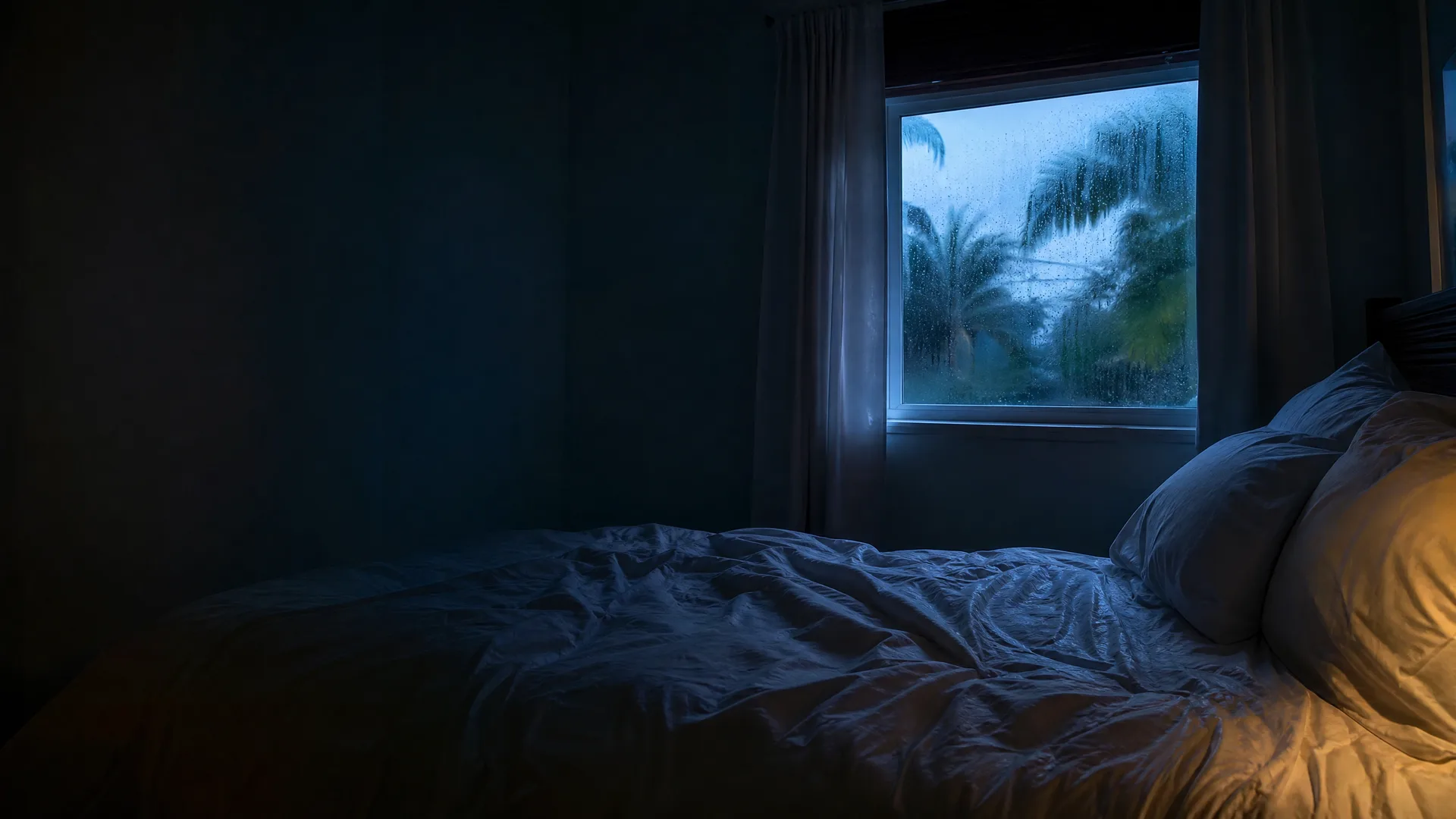
A dark bedroom with an unmade bed and pillows beside a curtained window showing rain-streaked glass and palm foliage outside.

It's January, past ten at night, and you're standing in the hallway in socks because the living room doesn't feel right. The vent above the couch is pushing air, you can feel it move against your hand, but it's not warm. Outside it's cold enough that the heat pump's been running since before dinner. You check the thermostat and it says the house is three degrees under where you set it. The baseboard heater in the bedroom is on, ticking as it warms up, because that's what's been carrying the house for days now. You turn the thermostat down a notch and go to bed, telling yourself you'll deal with it tomorrow.


Why does my heat pump run constantly but never heat the house?

You notice the outdoor unit never shuts off. It just keeps running, hour after hour, and the house still isn't warm. You start to wonder if it's actually broken or if this is just how a heat pump works in cold weather, since you've heard they run longer than a furnace does.

It's losing the fight against the cold, or it's lost its charge

A heat pump running nonstop isn't automatically a problem. They run longer than a furnace does by design, pulling heat out of cold air instead of burning fuel for it. But if it runs the whole time and the house still isn't warm, something is working against it. A low refrigerant charge means the system can't move enough heat per cycle, so it just keeps trying. A reversing valve stuck between modes does the same thing, forcing the unit to run constantly without ever catching up. Either way, the backup strip heat is likely carrying the load instead, which is why the bill climbs even as the house stays cold.

A two-story gray horizontal-siding house with multiple gables, a covered front porch with white columns and railing, and a dark front door, fronted by a patchy green and brown lawn under a clear blue sky.

Summers here run mild, nothing like the thick air you'd get further south. The dew point averages 53°F across June, July and August, according to NOAA climate data for Washington. That's dry enough that your heat pump isn't working hard to wring moisture out of the air just to keep the house comfortable. So when it blows lukewarm instead of cool, humidity isn't the reason. It points back to the same things: a low charge, a dirty coil, a reversing valve that isn't shifting clean. The mild air here just means you'll notice the warm air sooner, since the house isn't fighting mugginess on top of it.

NASA POWER T2MDEW county cells weighted by homes

A gray outdoor heat pump unit on a concrete pad beside a house with horizontal lap siding, connected by conduit and a flexible line to a wall-mounted disconnect box, with low shrubs and mulch nearby.
A heat pump running clean moves refrigerant through an open coil, so the air reaching your vents is actually warm.
An outdoor air conditioner condenser unit on a concrete pad beside a house with horizontal siding above a concrete block foundation, with insulated refrigerant lines and a vertical white pipe on the wall.
A heat pump with lines run along the block foundation and years of weather on the cabinet is the kind that starts losing refrigerant or sticking at the valve.
  1. Thermostat calls for heat and the reversing valve sets direction

  2. Compressor starts pulling in refrigerant and raising its pressure

  3. Outdoor coil pulls heat from the outside air

  4. Reversing valve directs hot refrigerant gas to the indoor coil

A closed laptop and a cream mug of coffee on a coaster sit on a dark wooden table, with a potted plant at left and a kitchen counter, tiled backsplash and shelf of ceramics in the background.

Lukewarm air means something specific is wrong

A heat pump that's working right puts out air that feels warm at the vent, not just moving air. When it doesn't, the cause is usually one of a few things: a reversing valve stuck between positions, refrigerant too low to carry heat the way it should, or a coil too dirty to let the system do its job. None of those clear up on their own, and none of them are things you can see by looking at the outdoor unit from across the yard.

You already know what it's costing you to wait. The backup heat is carrying the house, the bill shows it, and the problem is still there in the morning. What you don't have to carry is the part where you search for who to call, explain the vent and the valve and the bill all over again to three different companies, and sit with quotes trying to guess which one actually knows heat pumps. Send the form once and that part is done.

Interior corner of a room with a window and sheer curtain at left, a gray upholstered sofa with a cushion at right, and a round wooden table holding stacked books and a round vase with an olive branch.
A gray outdoor condenser unit on a concrete pad beside a house with horizontal lap siding, bordered by mulch, shrubs and a mowed lawn.

Send one request and you're done looking

RepairHeat PumpWashington
Step 1 of 2

What ZIP code is the job in?