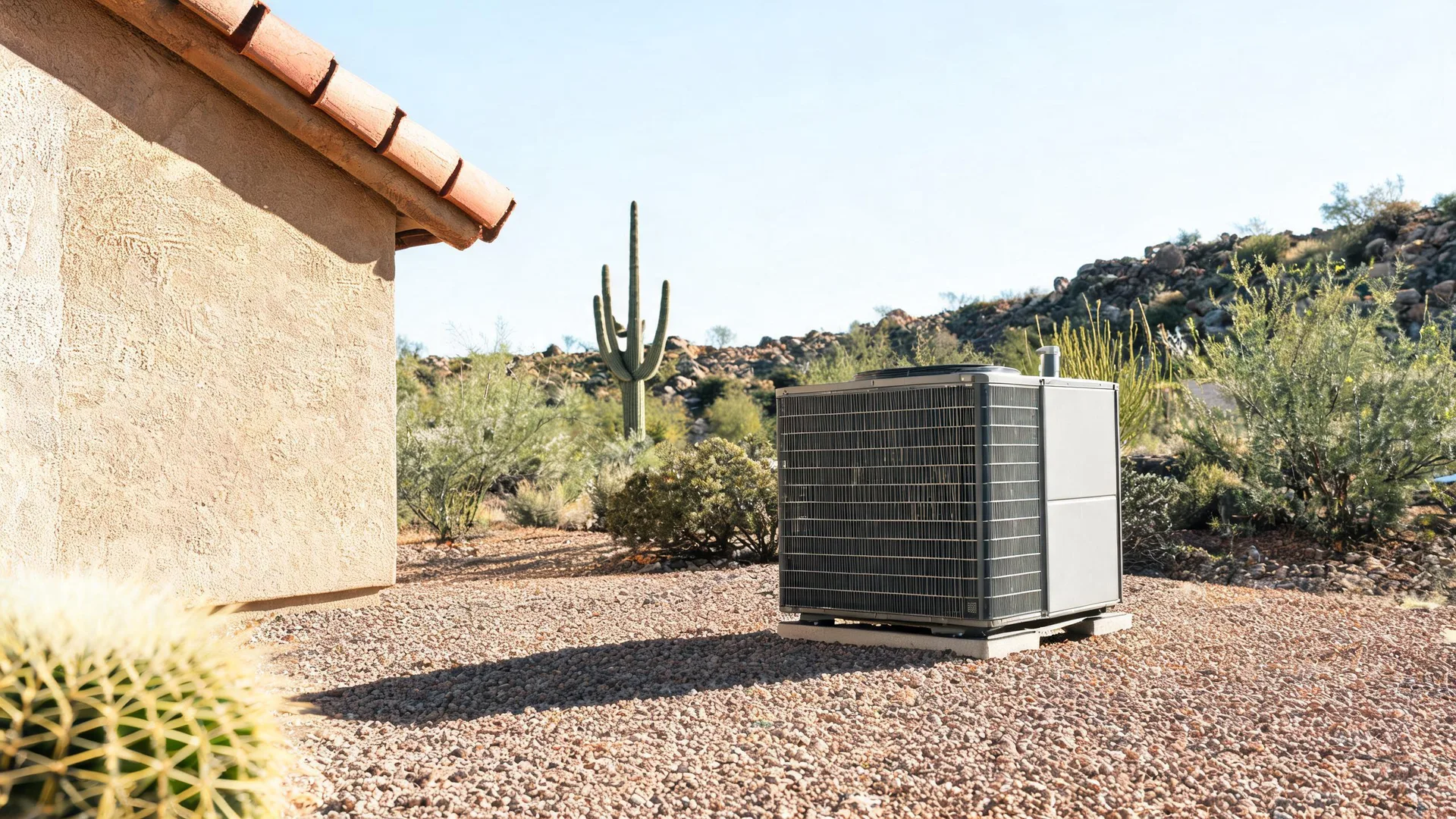
Winter storms are the regular event here
Douglas County recorded 209 winter storm events between 2015 and 2024. A heat pump's outdoor unit sits through all of it, exposed to ice, wind-blown debris and hail.
Takes about a minute. No obligation.
Douglas County recorded 209 winter storm events between 2015 and 2024. A heat pump's outdoor unit sits through all of it, exposed to ice, wind-blown debris and hail.
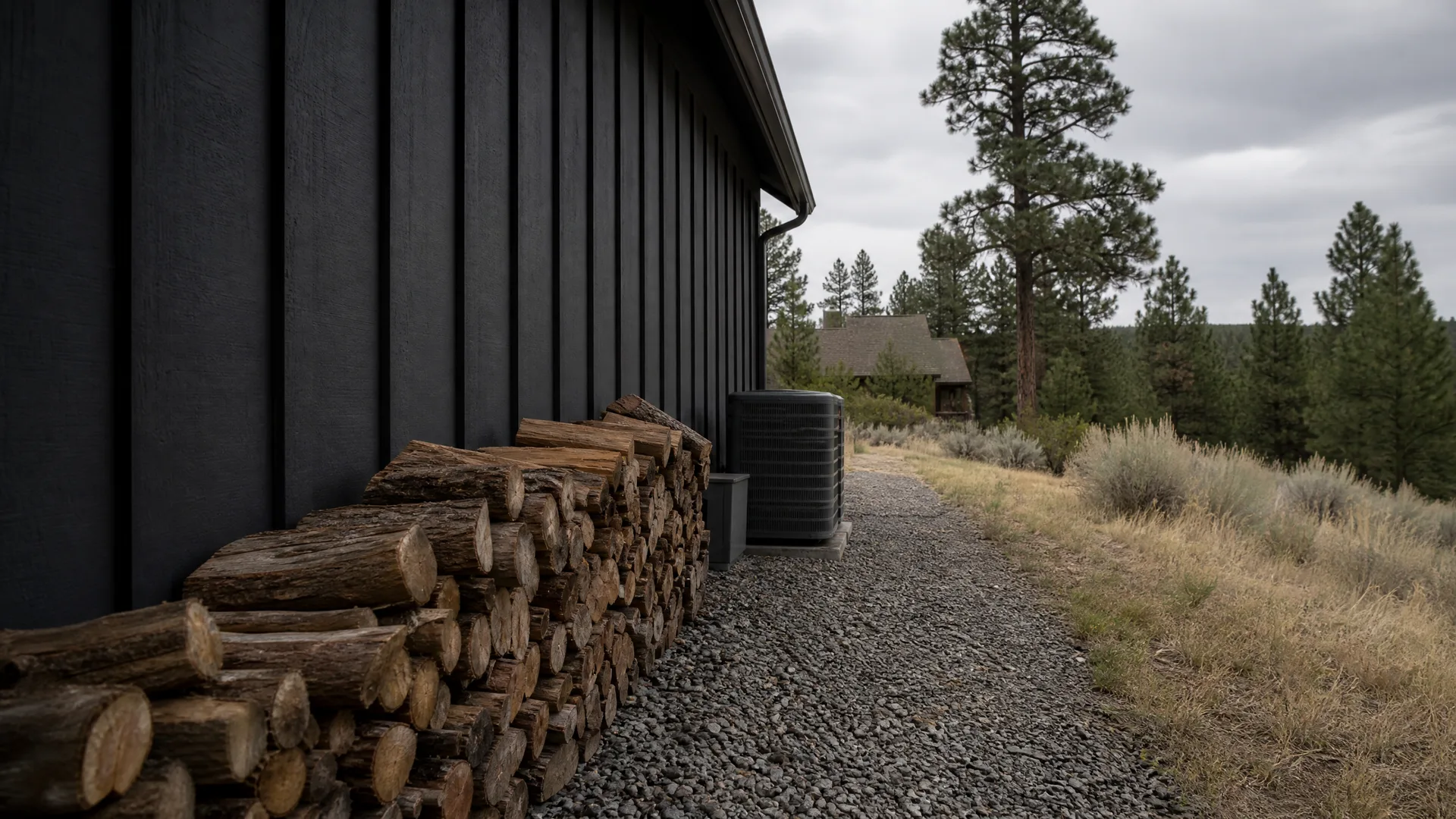
Hail can dent fins and bend coils without stopping the system right away. If your outdoor unit has taken a hard storm, have it looked at even if it's still heating, since damage to the coil or fins can get worse before it causes an outage.
NOAA nClimDiv, 1991–2020 normals
A heat pump repair here is usually the same handful of problems other homes have.
Check the common causes first. A dented coil or a storm-related fault turns up far less often than a failed capacitor or low refrigerant charge.



Heat runs September through May here, so August is the month to have a heat pump looked at. A capacitor that is already weak or a charge that is already low tends to hold on while the unit cycles lightly. It gives out once the compressor has to run hard and steady, which is what happens in the first cold stretch of the season. Getting it checked in August catches that problem while it is still a repair.
Winter lows here average 22°F, not deep cold, and the hard winter events are storms rather than long stretches of strain on the unit. That usually means less wear on the compressor than homes in harsher climates see. A heat pump that's been through some rough weather but still runs is often fine mechanically. Worth having someone confirm it before you assume the worst.
Find a contractorIf your heat pump came with the house, it's probably running on a system built in 1988 or later, which means it's not old in machine years. A breakdown on a unit like that is usually one failed part, not the system wearing out. Worth asking the contractor to repair it and tell you straight how much life they figure is left, rather than jumping to replacement.
A heat pump in trouble rarely just shuts off. It runs longer to reach the same temperature, blows air that feels cooler than it used to, or cycles on and off more than it should. The compressor is still turning, so the system looks fine from across the room. What's changed is how hard it has to work to do the same job.
A rattle usually means something loose or a fan blade hitting debris. A hard clicking when it tries to start and fails is often the capacitor. A burning smell points to an electrical problem and is worth shutting the system down for until someone looks at it. Ice building up on the outdoor coil that won't clear on its own, rather than the thin frost that comes and goes with normal defrost cycles, points to a refrigerant or airflow problem underneath it.
Before you call anyone, look at the outdoor unit first. Check that it isn't boxed in by ice, leaves or anything blocking airflow around the coil, since restricted airflow alone can make a heat pump struggle. Inside, check the air filter and swap it if it's dirty, a clogged filter forces the system to work harder for less heat. Look at the thermostat and make sure it's set to heat and set higher than the room temperature, and check batteries if it uses them. If the outdoor unit is caked in frost rather than a thin, even layer, that can be normal during a defrost cycle, but a thick coat that never clears is worth noting for whoever comes out. None of this fixes a bad capacitor or a low charge, but it rules out the simple stuff first.
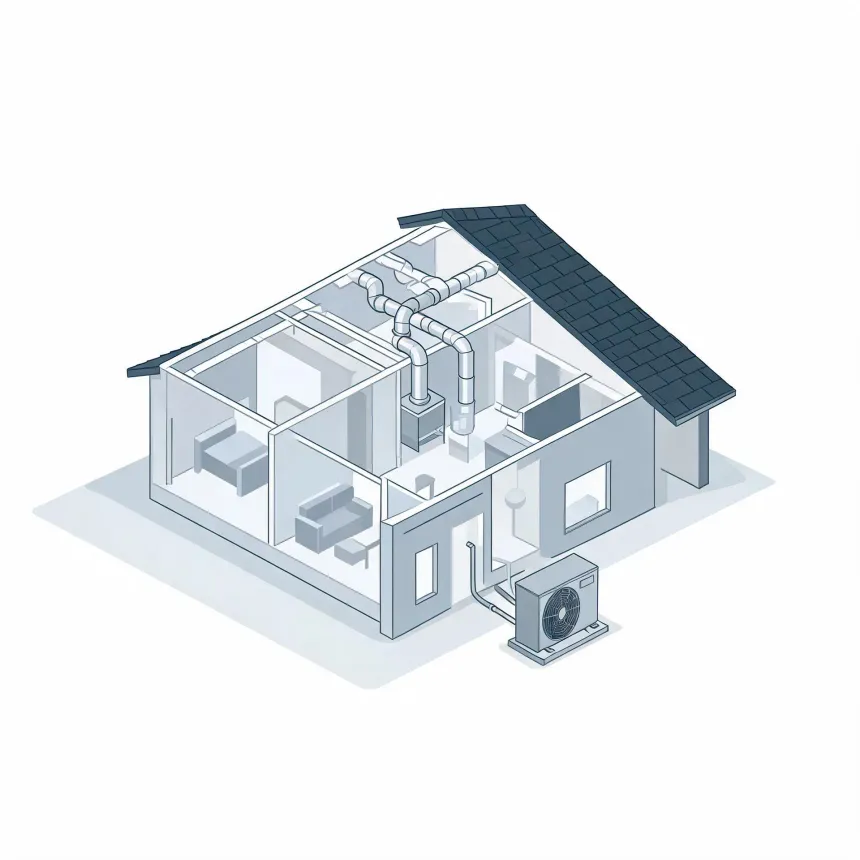
A diagnostic visit starts outside, at the unit itself. A tech checks refrigerant pressure with gauges, looks at the compressor's amp draw, and tests the capacitor, since a capacitor can read weak long before it fails outright. They'll check the reversing valve too, the part that switches the system between heating and cooling, because a stuck valve can act like several other problems at once. Airflow gets checked both outside and in, since a coil that can't breathe will throw off every other reading taken. The goal is to find the one part that's actually failing, not to replace parts that are still fine.