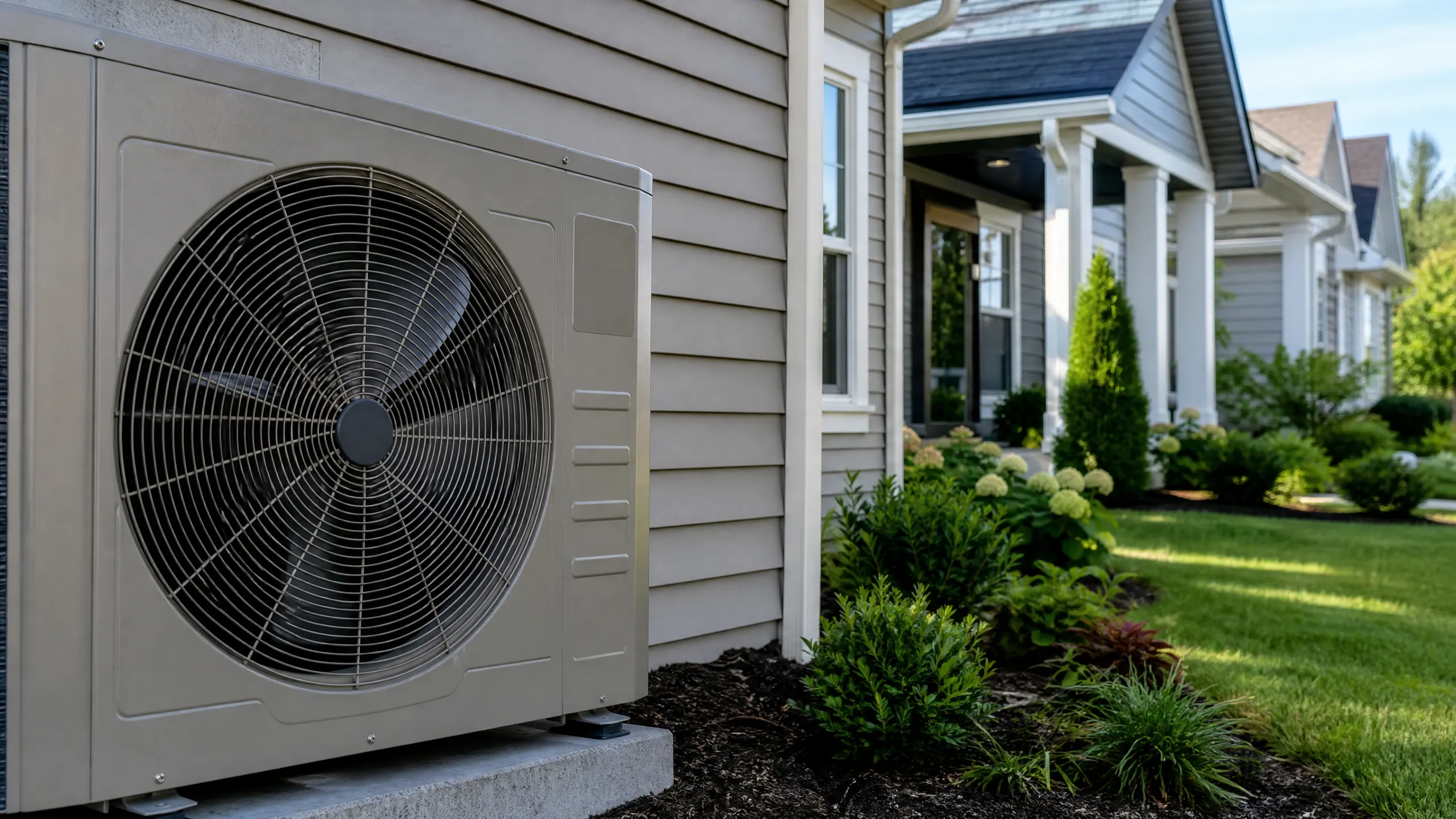





A large outdoor air-conditioning unit mounted beside a vinyl-sided house, surrounded by mulched garden beds and green shrubs.

Heat Pump Repair in Kennewick, WA

Tell us about the job

Takes about a minute. No obligation.

RepairHeat PumpBenton County, WA
Step 1 of 2

What ZIP code is the job in?

A heat pump that's struggling still tries to do its job, and that's what causes the damage. A low refrigerant charge makes the compressor work harder to move heat, and running it that way wears the compressor down faster than if it just shut off. Ice on the outdoor coil blocks airflow, so the system pulls in less air but keeps running anyway, and that ice can spread until it chokes off the unit entirely. A failing capacitor makes the compressor or fan motor strain to start, and every cycle under that strain brings the motor closer to burning out for good. None of these get better on their own. The longer a heat pump runs in a bad state, the more parts it takes down with it, and a repair that started as one component can turn into several.

8 months
October through May, your system heats
3 months
June through August, it cools
28°F
the average winter night it heats against
86°F
the average summer afternoon it cools against
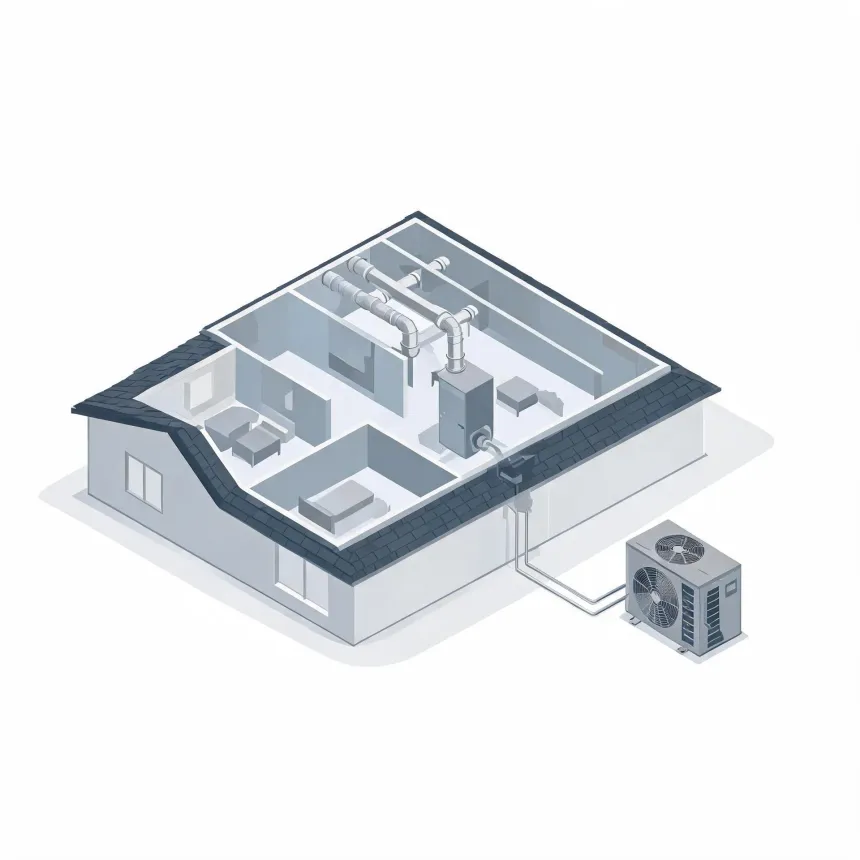
Isometric cutaway illustration of a single-story house showing interior rooms with ductwork, a furnace or air handler, and refrigerant lines running outside to a condenser unit on a pad.
Your system heats October through May and cools June through August.

NOAA nClimDiv, 1991–2020 normals

Half the homes in Benton County were built in 1988 or later.

A heat pump installed with a newer house usually has years of working life left in it, which makes repair the right call.

September is when a weak heat pump shows it

Cooling runs June through August
Heat runs October through May
25 damaging wind events from 2015 to 2024
Winters here are mild on a heat pumpOvernight lows average 28°F here in December, January and February.

Age matters, but so does how the unit has been treated. A heat pump that gets a yearly checkup, clean filters, clear airflow around the outdoor unit, tends to fail less often and more cheaply when it does fail. One that's been ignored shows up with compound problems, because one small fault stressed everything downstream of it. The real question isn't just how old the system is. It's whether this is the first repair it's needed or the fourth. A system on its first or second real repair is usually worth fixing outright. One where the contractor is back for a different part every year is telling you something. The strain has spread through the whole system, and the next failure is already working its way toward the surface.

Repair it

If your system came with a newer house, it likely has plenty of life left. Repair is usually the right call.

Find a contractor
A gray air-source heat pump mounted on a concrete pad next to a house with gray vinyl siding, surrounded by gravel and flanked by green shrubs and white hydrangea flowers.

A storm here is not what wears a heat pump down

Winter storms hit Benton County 14 times between 2015 and 2024, but a heat pump built to switch between heating and cooling all year is built for that kind of swing. The mild overnight lows already say more about the day to day wear than any one storm does. If a storm knocks ice or debris onto the outdoor unit, clear it and check the coil and fan before calling it a bigger problem than it is. A unit that's clear and still acting up is a repair, not a reason to start over.

What you can check yourself

Look at the outdoor unit first. Clear away leaves, mulch or anything stacked against it, since it needs open airflow on all sides to work right. Check the air filter inside and swap it if it's gray with dust. Walk the indoor vents and make sure none are closed or blocked by furniture. Look at the thermostat setting and the mode it's in. A heat pump stuck in the wrong mode can look broken when it isn't.
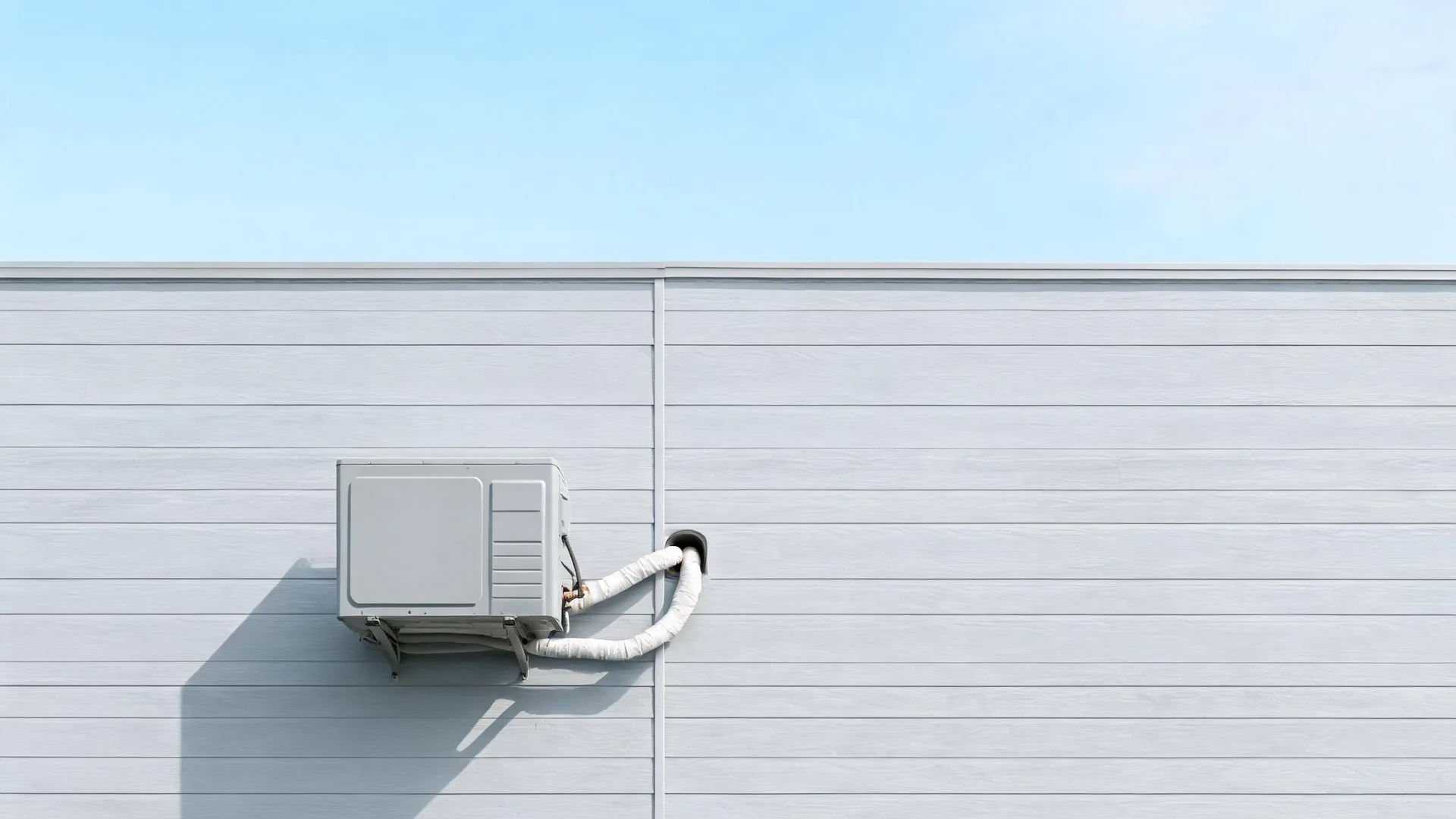
What tells you to stop and call

Ice on the outdoor coil beyond a light frost means stop. A hissing or bubbling sound near the lines means stop. Water pooling at the indoor unit means stop. A breaker that trips more than once means stop. Resetting the breaker or chipping at the ice doesn't fix what caused it. Running the system in that state just adds strain on top of the original problem, and that's how one bad part takes others down with it.

Most calls start with the system just not keeping up. The air coming out feels lukewarm instead of hot or cold, or it runs long stretches without the house actually changing temperature. Short cycling is another one, where the unit kicks on, shuts off, then starts again soon after, and that on off pattern is hard on the compressor. Listen for a new sound too. A clicking that keeps repeating instead of just at startup, a buzzing from the outdoor unit, or a grinding from the fan all point to a part giving out. If the outdoor unit is caked in ice past a light frost, or you smell something burnt near the indoor unit, that's not a wait and see situation.

A diagnostic call starts outside, at the unit itself. The tech checks refrigerant pressures, pulls the panel to look at the contactor and capacitor, and watches how the compressor behaves when it kicks on. Inside, they check the air coming off the indoor coil and compare it to the air going into it, since that difference says whether the system is actually moving heat the way it should. They'll run the system in both modes if the complaint doesn't point to just one, because a reversing valve that sticks on the switch over won't always show up otherwise. Then come the electrical readings, voltage at the motors and amperage draw measured against what the equipment is rated for. By the time that's done, the failing part usually isn't a guess anymore.