Winter storms are the norm here
Pend Oreille County logged 319 winter storm events between 2015 and 2024. That is weather a heat pump's outdoor unit sits through year after year, on top of wind and hail.
Takes about a minute. No obligation.
Pend Oreille County logged 319 winter storm events between 2015 and 2024. That is weather a heat pump's outdoor unit sits through year after year, on top of wind and hail.
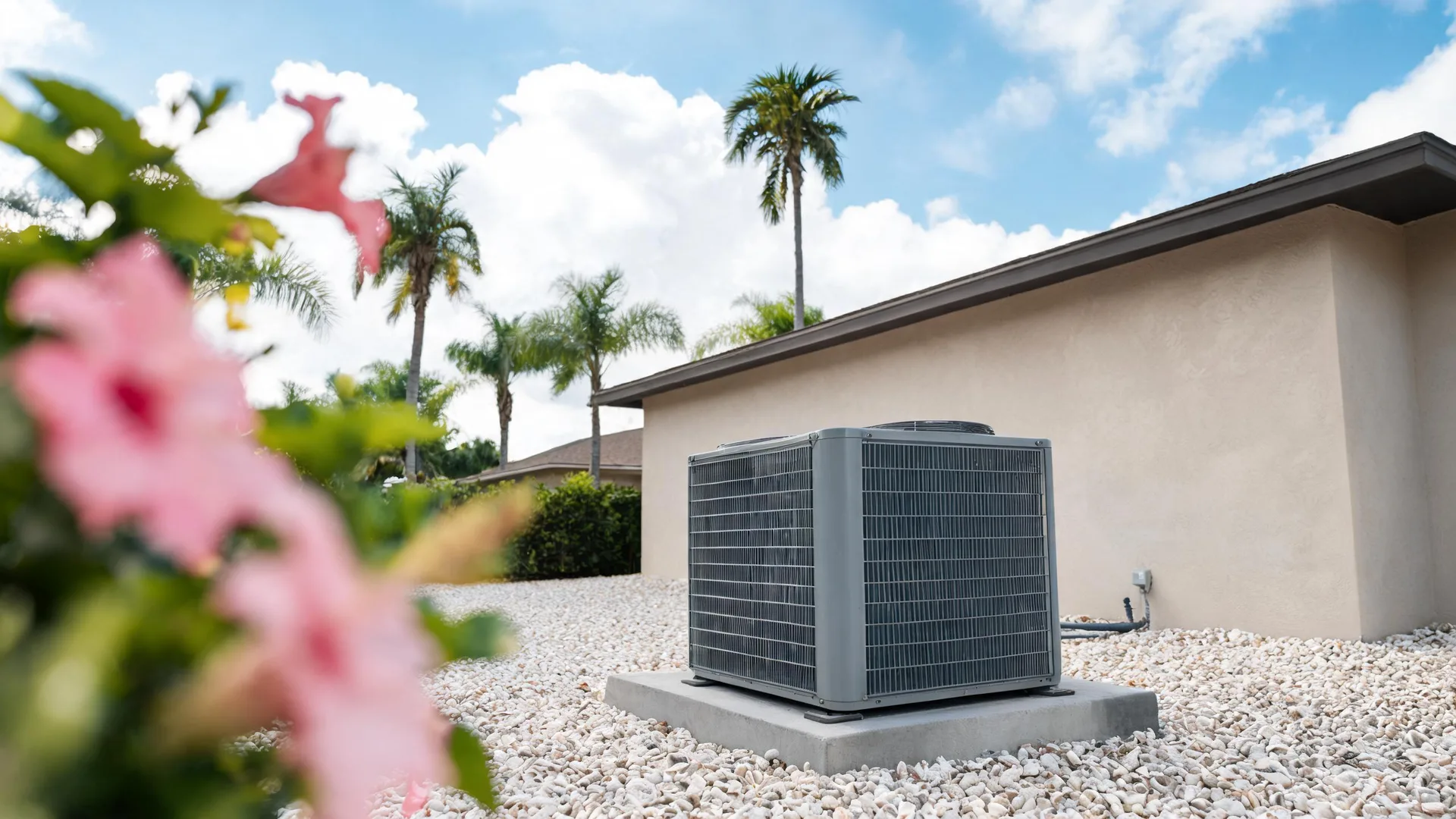
Hail dents a cabinet and bends fins without stopping the fan. Wind-blown debris can do the same. If your outdoor unit took a hit, it's worth having someone check it even while it's still putting out heat.

Heat runs September through June here.
August is when to get a weak heat pump looked at, before the first cold snap finds the problem for you.




Since the system isn't fighting the climate to begin with, there's no reason a fixed part should fail again soon. A capacitor replaced now doesn't have a hard summer ahead of it pushing the compressor the way it would in a place that runs air conditioning all season. It just has winter, and winter here tops out at an overnight average of 20°F, well inside what the system is built for. That's a repair that holds rather than one you'll be back for in a few months. Get the actual cause fixed and the heat pump goes back to doing what it's always done here, which isn't much to ask of it.
If your outdoor unit has taken hail or wind-blown debris over the years, have it looked at now, even if it's still heating fine. A check now catches bent fins or a cracked cabinet before they turn into a bigger repair.
Find a contractorSince the system isn't fighting the climate to begin with, a repair now is a repair that holds. Get the heat pump looked at and fixed instead of planning to replace it early.
Look at the outdoor unit and make sure nothing is blocking it, no leaves, no snow piled against the coil, no fence or bush grown in close. Check the air filter and swap it if it's dirty. Check the thermostat is set to heat and the batteries aren't dead. Check the breaker for the outdoor unit hasn't tripped. These take a few minutes and rule out the causes that aren't a repair at all.
Notice whether the outdoor fan is spinning, whether the unit is blowing cold air instead of warm, whether it's short cycling on and off, or ices up and doesn't defrost on its own. A heat pump that runs constantly without warming the house is different from one that won't start at all. Telling the tech what you saw, and when it started, gets to the right fix faster.
A heat pump that's struggling still looks like it's working, and that's what makes people wait. A compressor running low on refrigerant has to work harder to move the same heat, and it keeps doing that every cycle until someone catches it. That shortens its life. A defrost cycle that isn't clearing the coil right lets frost build on top of frost, and the unit loses more capacity each time it happens. Electrical contacts that are starting to pit or a capacitor that's weakening put a bigger load on the compressor every time it starts, not just once. None of this fixes itself by running longer. The part that's already stressed stays stressed, and it's doing it on every cycle until the system is off long enough for someone to look at it.
A tech starts outside at the unit. They check refrigerant pressure, watch how the compressor runs, and look at the outdoor fan while it's spinning. Then they move to the electrical side. A weak capacitor or a pitted contactor shows up here, along with any wiring that's loose or burned. Inside, they check airflow at the filter and the coil, then run the system through its paces, heating, then defrost. A heat pump has to reverse itself to clear frost off the outdoor coil, and that reversing valve gets checked on its own, since a lot of strange symptoms trace back to it. By the end, the tech knows which part is causing the problem and what it takes to fix it.