20 to 25 years
That's the run you should get from an electric furnace if it's been sized right and the coils haven't been overworked. Short of that, something's pushing it harder than it should go.

Get your furnace to the right pro
Most homes in Washington heat with electricity, not gas, so the usual furnace lifespan numbers don't always tell you what you need to know. How many years you actually get depends on the equipment you have and how it's been run. Answer that, and you'll know whether to plan for a repair or start looking at replacement, matched to a contractor who can look at your system directly.
Get my matchA gas furnace in Washington typically lasts 15 to 20 years. An electric furnace, which is what most homes here actually have, tends to run 20 to 25 years, since there's no burner or heat exchanger to wear out or crack over time. What shortens that is how hard the system works and how well it's been kept up. Mild summers here mean the furnace isn't fighting against a system that's also run ragged cooling the house all year, which helps it last toward the longer end. A unit that's original to the house, especially one installed in the 1990s or earlier, is worth having looked at even if it still runs, since the parts inside wear out quietly before they fail all at once. If yours is getting old or acting up, knowing its real age and type tells you whether you're looking at a repair or a replacement.


An electric furnace doesn't burn anything. It pushes power through resistance coils, so there's no flame and no flue to corrode. That's the main reason it outlasts a gas furnace. A gas furnace depends on a heat exchanger, a metal chamber that carries combustion heat into your ductwork thousands of times a season. Eventually it cracks, and that's usually the failure that ends the unit. Electric furnaces don't have that part, but they still have a blower motor and relay switches doing the work every cycle, and those wear out on their own schedule. How you run the system matters as much as what kind it is. A furnace that short-cycles, firing on and off in quick bursts instead of completing full heating cycles, puts more strain on its parts than one left to run normally. A dirty filter or blocked vents make the blower push harder for the same amount of heat, which adds up over years. Even placement plays a part. A furnace crammed next to a water heater or sitting in a damp crawlspace corrodes faster than one with clear space and dry air around it.




An electric furnace has no pilot light, no burner, and no combustion to monitor, which is part of why it holds up longer than a gas unit does.
What ages it instead is the blower motor and the coils themselves, run hard enough and long enough, since cheap power here means these systems tend to stay on more.


That's the run you should get from an electric furnace if it's been sized right and the coils haven't been overworked. Short of that, something's pushing it harder than it should go.
Electric furnaces don't leak gas or crack a heat exchanger, but worn coils mean higher bills and a blower working overtime to keep the house even.


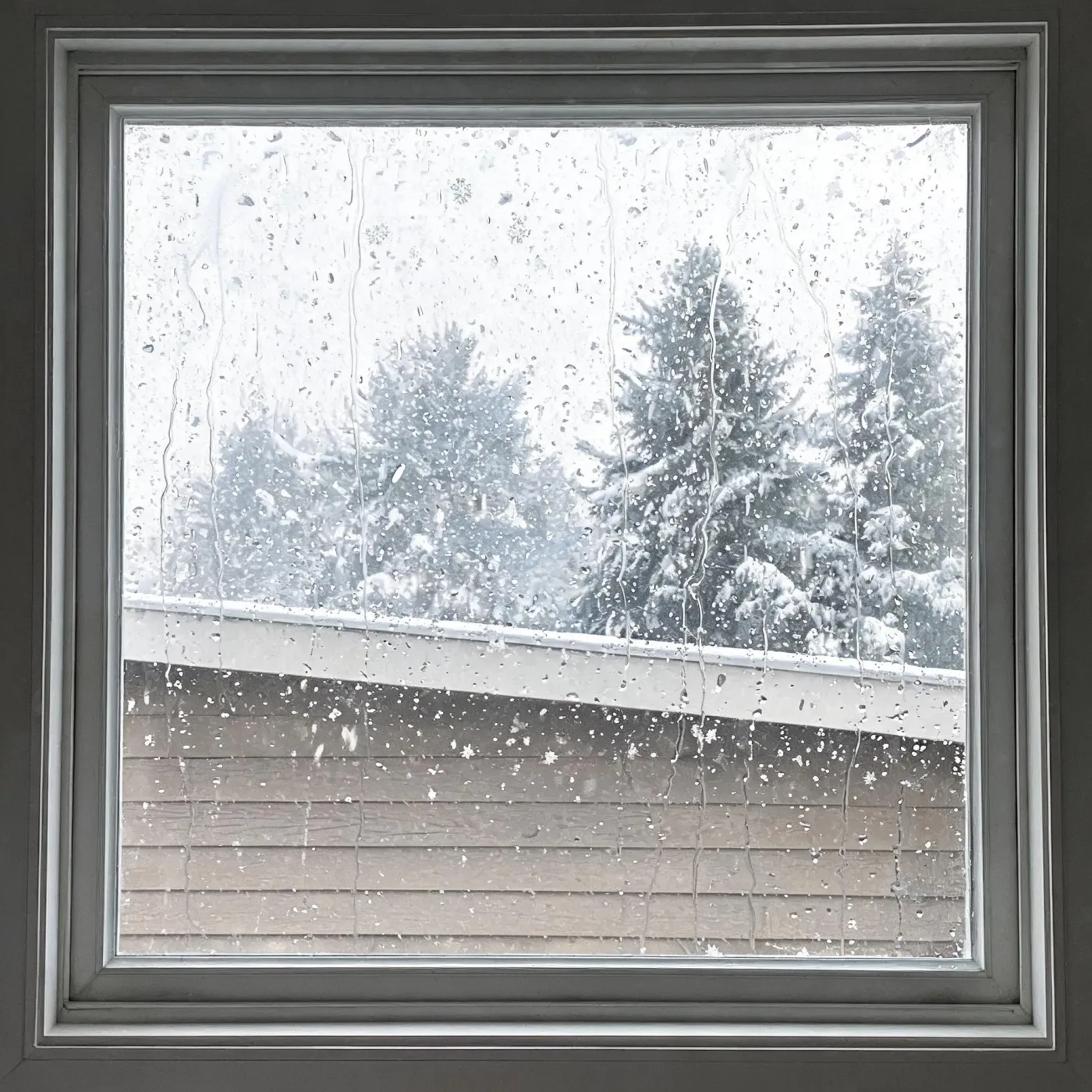
Winter nights average 30°F statewide, according to NOAA climate data. That's not extreme cold, but it's cold enough that your furnace is cycling on through the night, not just during the coldest snap of the year. For an electric furnace, that means the coils and blower motor are logging hours steadily from November into February, not in short bursts. If yours is already past the 20 year mark, those are the parts that start to show it, usually as uneven heat at the registers or a blower that runs longer than it used to. If you're hearing that or just want a second opinion on what's left in the system, sending in your details gets a local contractor looking at it, and you're done chasing it down from there.
NOAA nClimDiv 1991-2020 county normals weighted by homes
One request ends the search for a furnace installer.
No charge to send it. You decide if you hire them.
Turn the thermostat up and a sequencer takes over first. It brings the resistance coils on in order, one bank at a time, rather than dumping full power into all of them at once. That staging is also why an electric furnace can match the heat to the night. On a mild evening only part of the coil bank fires. When it's colder outside, the rest kicks in to keep up. The contactor is what makes each stage happen, switching power to the coils every time the thermostat calls for heat, and because it's opening and closing that often, it's one of the parts that wears first. While the coils are heating, the blower motor is pulling air across them and pushing it out through the ducts to every register in the house. It runs on the same cycle, every call for heat, for as long as the furnace is in service. A limit switch is watching the airflow through all of this. If it drops too low, usually because the filter is dirty and choking off air to the coils, the switch cuts power before the coils overheat. None of this involves a flame. There's no burner, no draft inducer pulling combustion air, and no flue running out through the roof, because there's nothing being burned and nothing that needs to vent outside. Everything happening inside the cabinet is electric, which is a shorter list of parts than a gas furnace carries, and a shorter list of things that can fail.
Nights in the 30s mean your furnace is kicking on well before midnight and holding steady until morning, not just during a cold snap. That steady cycling is what wears on the coils and the blower motor over the years, more than any single hard freeze does.
NOAA nClimDiv 1991-2020 county normals weighted by homes

A furnace still on its original sequencer and blower motor, with even heat at every register, is doing fine. The sequencer brings the coils on one at a time so the blower isn't straining against a sudden full load. If the air coming out feels the same at every vent and nothing smells hot when it kicks on, there's no reason to plan around a replacement yet. Keep an eye on it through the winter and let it tell you when something's off.

If the coils or the blower motor have already been swapped once, that furnace has done harder work than most. A repair like that buys time, but it doesn't reset the clock on the rest of the unit. If you're coming up on 20 years and you've already replaced one of those parts, the other one is closer to its own end than the nameplate suggests. That's a furnace worth planning around, not reacting to.

An electric furnace in Washington, run the way most of them are here, gets you 20 to 25 years. A gas furnace runs a shorter stretch, 15 to 20, because it has a heat exchanger and a burner that a resistance coil never has to deal with. Where your furnace falls in that range comes down to the coils, the blower motor, and whether either one has been working harder than it should.
If yours is getting up toward the end of that range, or the heat at your registers isn't what it used to be, it's worth having someone look at it before you're guessing through another cold night. You can get matched with a contractor who installs furnaces in your area, and they'll reach out to go over what your home actually needs. That's one less thing on your list this winter.


A furnace pro near you




