A gray high-efficiency furnace with two white PVC vent pipes stands beside galvanized sheet-metal ductwork in a dim basement with exposed joists and a concrete floor.

The right pro for this job

How often to change your furnace filter in Washington

Most furnaces here run on electricity, so the filter question looks a little different than it does elsewhere. This page covers how often to check it and swap it, and what changes if you have pets or run the system most of the year. A local contractor who services furnaces like yours can take it from there.

Connect with a pro

Check your filter every month and plan on changing it every 60 to 90 days, sooner if you have pets or anyone in the house has allergies. An electric furnace still pulls air through that filter every time it runs, and a dirty one makes the blower work harder to push air through the ductwork, which shortens its life. In Washington, with most winters calling for steady heat for months at a stretch, that filter is doing real work during that stretch, not sitting idle. A clogged filter also means less warm air reaching the rooms that need it, so you end up running the system longer to get the same comfort. Mark the date on the filter frame when you swap it so you're not guessing later. If your home has more than one return vent, check each filter on its own schedule, since they don't always load up at the same rate.

A gray furnace with white PVC vent pipes stands beside sheet-metal ductwork in a basement with a smooth concrete floor, exposed wood framing, and plastic sheeting on the walls.

A filter doing its job

Clean cabinet, clear ductwork, no rust on the casing. Air moves through the filter and into the system without a fight. This is what a furnace looks like when the filter gets changed on schedule and the blower never has to work past what it was built for.


A beige furnace with two access panels stands against a concrete basement wall, with galvanized sheet-metal ductwork, a white PVC pipe, flexible conduit and insulated ducting around it.

A filter left too long

Rust is showing on the cabinet and the metal around it. A clogged filter makes the blower pull harder for the same amount of air, and that strain shows up on the unit itself over time, not just on the bill.

Why does the air from your vents feel weak lately

A clogged filter shows up as weaker airflow at the vents and a furnace that runs longer to reach the temperature on the thermostat. You might notice a room that used to heat up fast now takes a while, or the blower seems louder than it used to be. Dust settling faster on furniture near a vent is another sign the filter isn't catching what it should. Since the furnace runs on electricity, a blower working harder to push air through a clogged filter pulls more power to do it, so you'd see that on the bill before you'd see any damage to the system. Left long enough, the strain can shorten the life of the blower motor.

A beige residential gas furnace with white PVC vent pipes, copper and yellow gas lines, and adjacent sheet-metal ductwork stands on a concrete floor beside a plain white wall.

What a dirty filter does to the blower

An electric furnace moves heat with resistance coils, but it still needs the blower motor to push that heated air through the house. That motor is sized to move air against normal resistance, the kind a clean filter creates. Pack that filter with dust and the motor pulls against more resistance than it was built for. It draws more current to do the same job, and over months that extra strain is what shortens a blower motor's life.

A gray high-efficiency furnace with white PVC vent pipes and metal ductwork stands on a concrete floor beside a plain off-white wall in a basement.

Why electric furnaces still need a clean filter

There's no gas flame or flue to worry about with an electric furnace, so it's easy to assume the filter matters less. It doesn't work that way. Every cubic foot of air the system heats still passes through that filter first. A clogged one restricts airflow across the heating coils themselves, and coils that can't shed heat into moving air run hotter than they're designed to, which is what trips the high-limit switch and shuts the furnace down mid-cycle.

1-inch Filter vs. 4-inch Filter

1-inch filter

  • Costs less per filter, but the tradeoff is a shorter life, often 30 to 60 days before it loads up with dust.
  • Fits the slot in most standard furnace cabinets without any changes to the ductwork.
  • Needs a spot on your calendar since the 30 to 60 day window means more frequent checks.
  • Catches less total dust before it chokes off airflow, so a house with pets usually sees this one clog first.
  • Easy to find at any hardware store, so a late-night realization you're overdue is simple to fix.

4-inch or 5-inch filter

  • Holds more dust before it restricts airflow, which is why these often run 6 months to a year between changes.
  • Costs more upfront per filter than the 1-inch size.
  • Requires a media cabinet built into the system, so not every furnace here can take one without a contractor adding it.
  • Means fewer trips to swap it out, which suits a household that would rather handle this once or twice a year.
  • Still needs a monthly glance even on the longer schedule, since a houseful of pets or a smoky summer can fill it faster than the usual timeline.
An older woman with gray hair in a gray knit sweater sits on a sofa under a knitted blanket beside a large window, looking out toward yellow autumn foliage, with a living room, fireplace and patterned rug behind her.
An older woman with gray hair in a cowl-neck sweater sits on a sofa under a blanket, looking out a large window toward trees with yellow autumn foliage.
A gray-haired woman in a light knit sweater sits in an armchair by a window, looking out at trees with yellow autumn leaves, with a dark ceramic mug on the sill and a plant in the foreground.
A gray-haired woman in a cream knit sweater sits in a chair by a large window, looking out at rolling hills covered in autumn-colored trees.

Matched to your furnace job

A furnace that's run most of the year on a clogged filter is working harder than it needs to, and an electric blower motor under that kind of strain doesn't always give you warning before it quits. If you've been going by memory instead of a date on the calendar, there's a decent chance you're past 90 days right now. Someone who services furnaces in Washington every week sees the same thing over and over: the filter nobody changed is the reason for the service call, not the motor itself. A licensed contractor local to you can look at your actual setup, the cabinet size, the filter type, whether pets or allergies push you toward the shorter end of that range, and tell you what fits your house instead of a general rule. You'd be working with one contractor who knows this equipment, not fielding calls from several.

Running the furnace most of the year

Washington winters are long enough that plenty of furnaces here run close to nine or ten months straight, only easing off during the warm stretch in summer. A filter that might last 90 days in a house running three months of heat a year won't make it that long here. The blower is moving air that often, which means dust loads up on the filter that much faster. If you're checking monthly like you should, you'll feel the difference by hand, more resistance pulling air through, more dust caught in the pleats. A furnace running nine months on the same filter is pulling air through a clogged screen for a lot longer than one that only runs through a short winter.

A season ahead, not behind

You're the kind of homeowner who plans for next season rather than reacting to this one, so put filter changes on the calendar now rather than waiting for weak airflow to remind you. A contractor who services furnaces in your part of Washington every year has seen what happens when a filter gets ignored through a long heating stretch, usually a blower motor working harder than it should and wearing down faster for it. Getting matched with one contractor, local to you and familiar with electric furnaces specifically, means someone looks at your system once and tells you what schedule actually fits it, instead of guessing at a generic number that assumes a shorter heating year than yours.

A gas furnace with a louvered upper panel stands on a concrete pad in a basement, flanked by sheet-metal ductwork, white PVC and metal pipes, and insulated columns.
Before you get your furnace maintenance
A dark high-efficiency furnace on a concrete pad in a basement, connected to galvanized ductwork, white PVC vent pipes, and copper and black gas piping, with concrete walls and wood framing nearby.
After you get your furnace maintenance
A beige high-efficiency furnace with white PVC vent pipes stands beside galvanized sheet-metal ductwork in a basement with a concrete floor, exposed wood studs, and metal piping along the wall.

Furnace running clean

This is what a furnace looks like when the filter is doing its job. The cabinet stays sealed, the plenum runs dry, and the intake and exhaust pipes do their work without the blower straining behind them. Nothing here is working harder than it has to.

An older beige furnace with a louvered vent panel stands on a concrete basement floor beside galvanized sheet-metal ductwork, a metal flue pipe and vertical pipes along a concrete wall.

Furnace under strain

An older furnace like this one depends on that flue pipe and vent drawing properly, and a clogged filter makes the blower push against more resistance than it was built for. Over months of steady use, that strain shows up as a furnace working harder just to move the same air.

A woman stands in the open front doorway of a single-story house with stone and wood siding while a man in a dark polo shirt and cap walks toward it along a concrete path.

What the blower does once the filter loads up

A furnace pulls return air across the filter before it ever reaches the blower wheel. As that filter loads with dust, the blower doesn't just slow down, it draws more amps to push the same volume of air through a tighter mesh. That's the part most homeowners never see: the motor compensating, quietly, for months, before anything sounds wrong. On an electric furnace the blower runs on nearly every cycle, so it's doing this work constantly, not just on the coldest days.

A contractor who services furnaces around Washington all year sees what that strain does over time, the bearing wear, the motor windings running hotter than they should, the capacitor giving out early. That's the kind of failure that doesn't announce itself with a sound, it just stops one morning. If you'd rather have someone local look at the blower and the filter setup together instead of guessing from the vent airflow, you can get matched with one contractor who handles this equipment regularly, and they'll reach out directly.

A dark ceramic mug on a round wooden table beside a light grey sofa with a woven cushion and knit throw, with a window, potted plant, floor lamp and wooden cabinet blurred in the background.
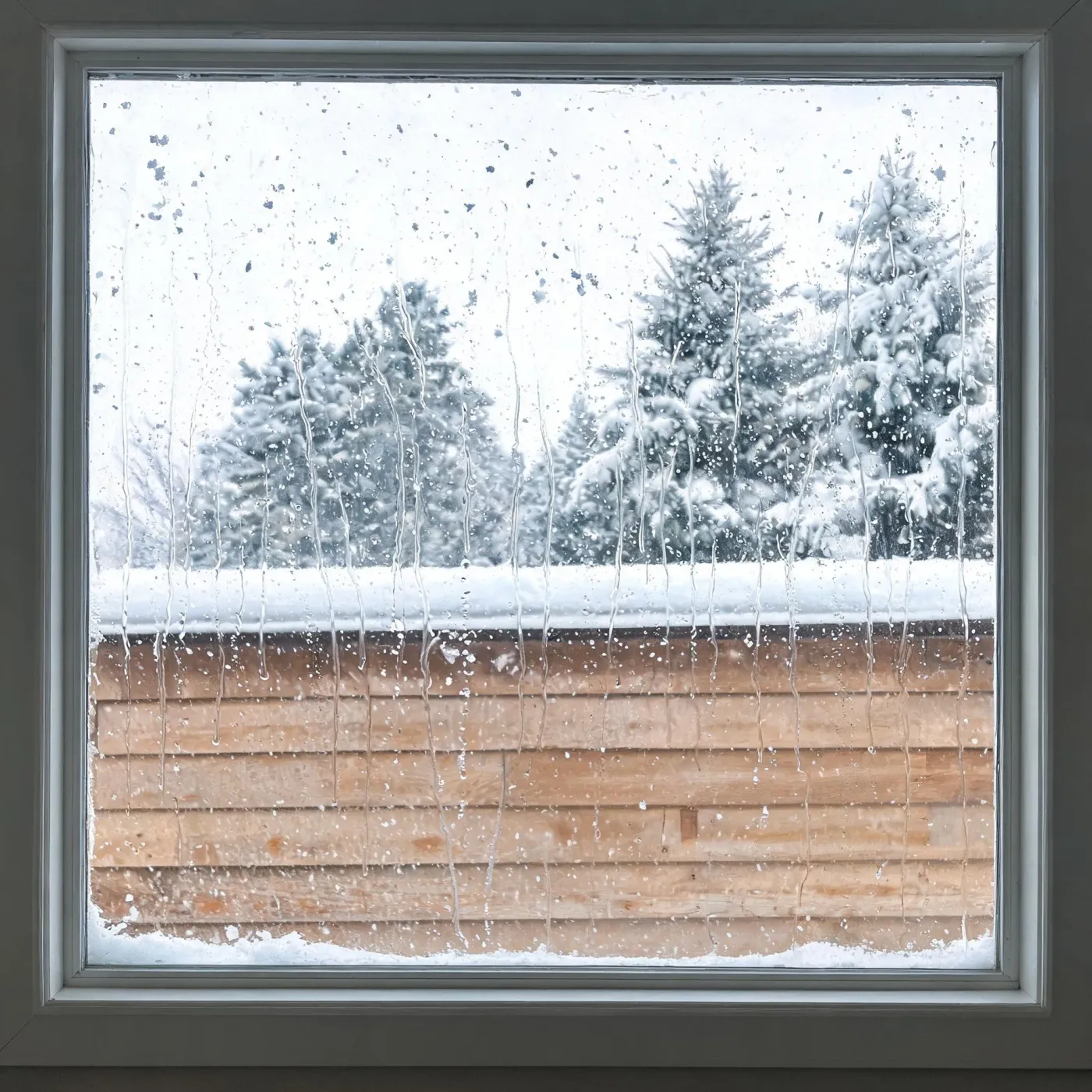
View through a wet, snow-flecked window with water streaks running down the glass, showing snow-covered evergreen trees above a wooden board fence topped with snow.

Winter nights here average 30°F across the state, according to NOAA climate data. That's cold enough that an electric furnace is running most nights to keep up, pulling return air across the filter for hours at a stretch rather than cycling on and off a few times. The colder it gets outside, the longer each heating cycle runs, and the more air gets pulled through that filter before you ever think to check it. On a night like that, a filter that's overdue doesn't just sit there dirty. It's working against the blower the whole time the thermostat calls for heat, which is most of the night.

NOAA nClimDiv 1991-2020 county normals weighted by homes

A woman in a cream knit sweater sits in an armchair with her eyes closed and head tilted back, beside a window showing orange autumn foliage and a wooden side table with a mug.
A gray-haired man in a blue quarter-zip sweater sits in an armchair with his eyes closed, beside a large window with bare trees outside and a potted plant and lamp nearby.

Winter nights average 30°F statewide

At 30°F overnight, your furnace isn't cycling on and off, it's running long stretches to hold the house steady. That's hours of return air pulling across the same filter each night. A clogged one turns those long runs into a harder pull for the blower.

NOAA nClimDiv 1991-2020 county normals weighted by homes

Where that leaves your filter

  • Check the filter monthly and plan on a change every 60 to 90 days, sooner with pets or long winter runtimes.
  • A furnace that runs nine or ten months straight wears a filter faster than one that only runs part of the year.
  • A clean filter keeps the blower motor from drawing extra amps just to push the same air through the house.
  • A local contractor who services furnaces all winter knows which filter sizes and blower issues come up most in homes like yours.
  • Getting matched means one licensed contractor reaching out, not a handful of companies competing for your call.
  • The schedule stays the same whether your furnace is electric or gas; what changes is how often you hit those 90 days.

A month on the calendar is when you check it. Sixty to ninety days is when most houses need a new one, and a houseful of pets or a furnace that barely shuts off all winter pushes that toward the shorter end. None of that changes because the furnace is electric. The coils and the blower motor behind that filter are different from a gas furnace's burners, but the air still has to cross the filter before the blower can push it anywhere, and a loaded filter makes that motor work harder no matter what's heating the air on the other side.

Where you live, that blower doesn't get much of a break. Long stretches of cold mean long stretches of runtime, and long runtime is what turns a filter from clean to clogged faster than the box it came in would suggest. Checking monthly is how you catch that before the blower does.

If you'd rather have someone else keep track of it, a contractor who works on furnaces all winter in your area has seen which filter sizes and which blower problems come up again and again in homes running the same hours yours does. Getting matched puts you in touch with one licensed contractor local to you, not a list of companies calling about the same job. They show up knowing the kind of system you have and what tends to go wrong with it before you have to explain any of it.

A gray high-efficiency furnace with two access panels stands on a concrete basement floor, connected to sheet-metal ductwork and white PVC vent pipes, with wood framing and a gas line nearby.

A furnace pro near you

Tune-up, service, or cleaningFurnace or heatingWashington
Step 1 of 2

What ZIP code is the job in?