




Low-angle view along a dark vertical-board wooden building wall with ferns at its base, a mown lawn, trimmed hedge, spruce trees and a distant gabled roof under an overcast sky.

Heat Pump Maintenance in Bellingham, WA

Tell us about the job

Takes about a minute. No obligation.

Tune-up, service, or cleaningHeat PumpWhatcom County, WA
Step 1 of 2

What ZIP code is the job in?

Winters here are mild. Overnight lows average 27°F through December, January and February, which is not the kind of cold that pushes a heat pump to its limit. Most nights it's running well within what it can do. That easier workload means less strain on the compressor and fewer hours spent straining to keep up. But easy duty still wears parts, just slower. A yearly check catches a worn contactor or a low charge before it turns into a system that won't run at all.

Half the homes in Whatcom County were built in 1989 or later.

A heat pump that age still has a lot of working life, worth protecting with a yearly check.

A fifth of Washington lost power for a day or more last year

23% of homes statewide lost power a day or more in 2024
Winter nights average 27°F
Power costs 11.9 cents a kWh statewide
Once a year covers itWashington homes paid 11.90 cents per kilowatthour in 2024

A heat pump rarely fails without warning signs first. It starts running longer than it used to, cycling on more often to hold the same temperature. You might notice the air coming out feels cooler than normal during heating, even though the system is running. A faint burning smell from the indoor unit, a new rattle, or a breaker that trips more than once are all worth a call on their own. Short cycling, where the system turns on and off in quick bursts instead of running a full cycle, points to a problem a filter change won't fix. None of these mean the system is about to quit, but they mean something inside it is already working harder than it should.

Light duty still calls for a yearly check

The yearly check is quick work for a machine that isn't straining against much. Have a technician test the contactor and capacitor and check the charge before a small issue turns into a system that won't start.

Find a contractor
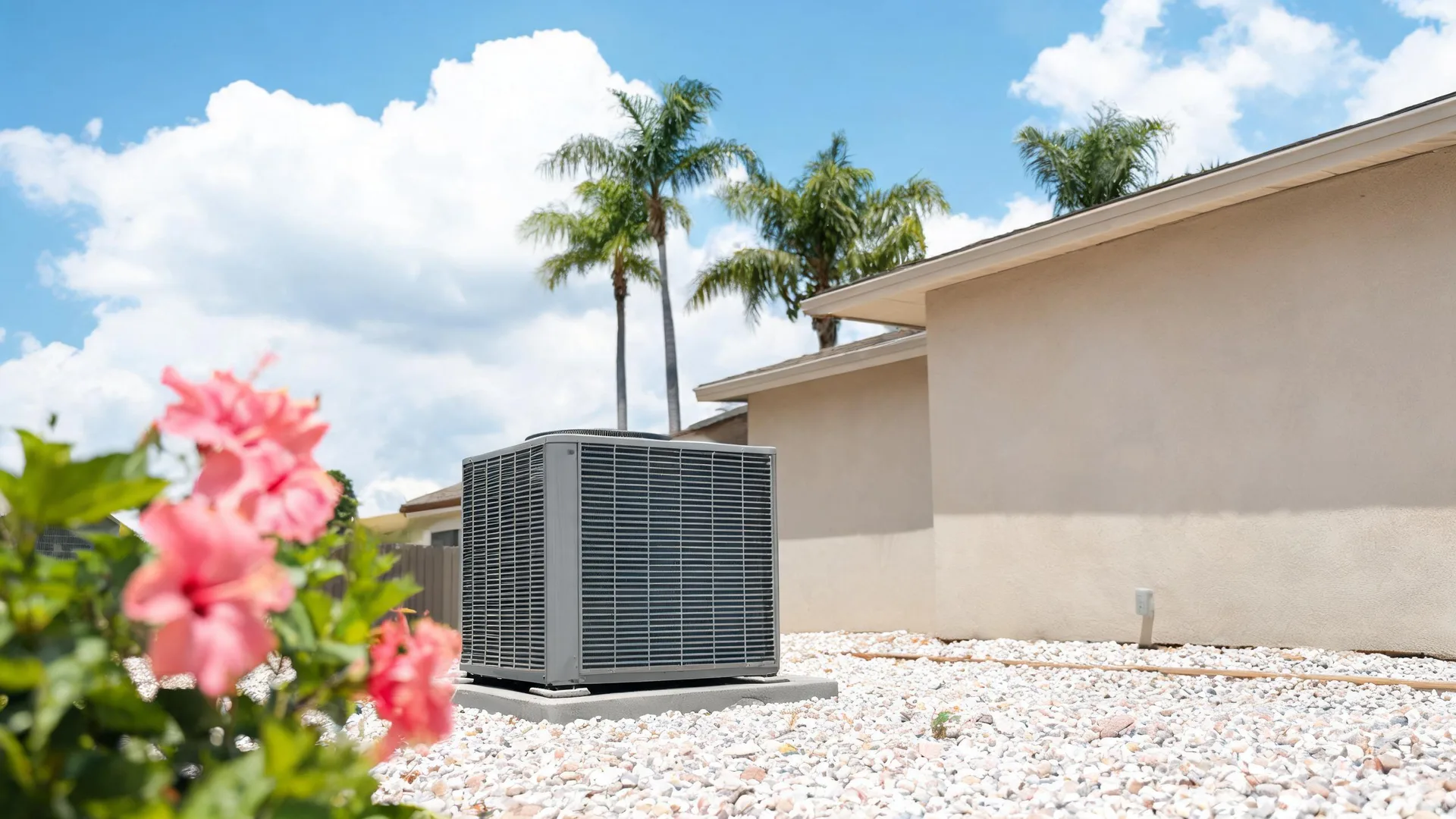
A dark gray heat pump unit mounted on a concrete pad next to a house with gray siding and a stone veneer wall.

Between visits, the filter is yours

The filter is the one thing worth checking on your own, once a month. A heat pump moves air constantly, in both directions, and a dirty filter makes it work harder to push air through either way. Swap it or rinse it if it's the reusable kind. Outside, keep the area around the outdoor unit clear. Leaves, mulch and anything piled against the cabinet block airflow across the coil, and a heat pump breathes through that coil year round, not just in summer. In fall, check that nothing is resting on top of it. If you ever see ice building up on the outdoor coil and it's not clearing on its own during a defrost cycle, that's worth a call rather than a wait. Beyond that, leave the refrigerant, the electrical connections and the inside of the cabinet to a technician. Opening that up without the right gauges does more harm than good.

The reversing valve only shows itself when it's stuck

A heat pump switches between heating and cooling with a reversing valve, and most homeowners never think about it because it just works, until it sticks partway and the system blows cold air when it should be heating. A technician checks it by actually cycling the system between modes and watching what happens, not by looking at it. That's not something you'll catch from the thermostat.
A coil can look clean and still be losing capacity

Dust and grime settle into the fins of a coil in a thin film long before it's visible as dirt, and that film alone cuts how well the coil moves heat. The outdoor coil takes the same buildup from pollen and fine debris pulled through it on every cycle. A technician checks coil temperature against the refrigerant pressure to see whether heat transfer still matches what the system is rated for, which tells you something a visual check never will.

A quick visit means someone glances at the unit, checks that it powers on, and leaves. A thorough one means gauges come out. The technician checks refrigerant pressure against the coil temperature, not just whether the system blows warm or cold air. They test the capacitor under load instead of eyeballing it for bulges, since a capacitor can look fine and still be weak. They pull the panel and check the contactor's points for pitting, because a pitted contactor can start sticking before it fails outright. A full check also means cycling the system into both heating and cooling to watch the reversing valve actually switch, not assuming it's fine because the thermostat says so. If a visit is over in a few minutes with no gauges and no panel removed, it skipped the parts that actually fail.

A tune-up also means checking the refrigerant lines where they run from the outdoor unit to the indoor coil, since a loose fitting or worn insulation on that line lets the system lose charge slowly over time. The technician checks the blower motor and its bearings, because a motor working harder than it should often sounds normal until it doesn't. They check the defrost control board and sensor too, since that's what tells the system when to clear frost off the outdoor coil, and a sensor reading wrong can leave ice building up that never clears. None of this shows up by looking at the unit from across the room. It shows up when someone opens the cabinet and checks it against what the system is supposed to be doing.