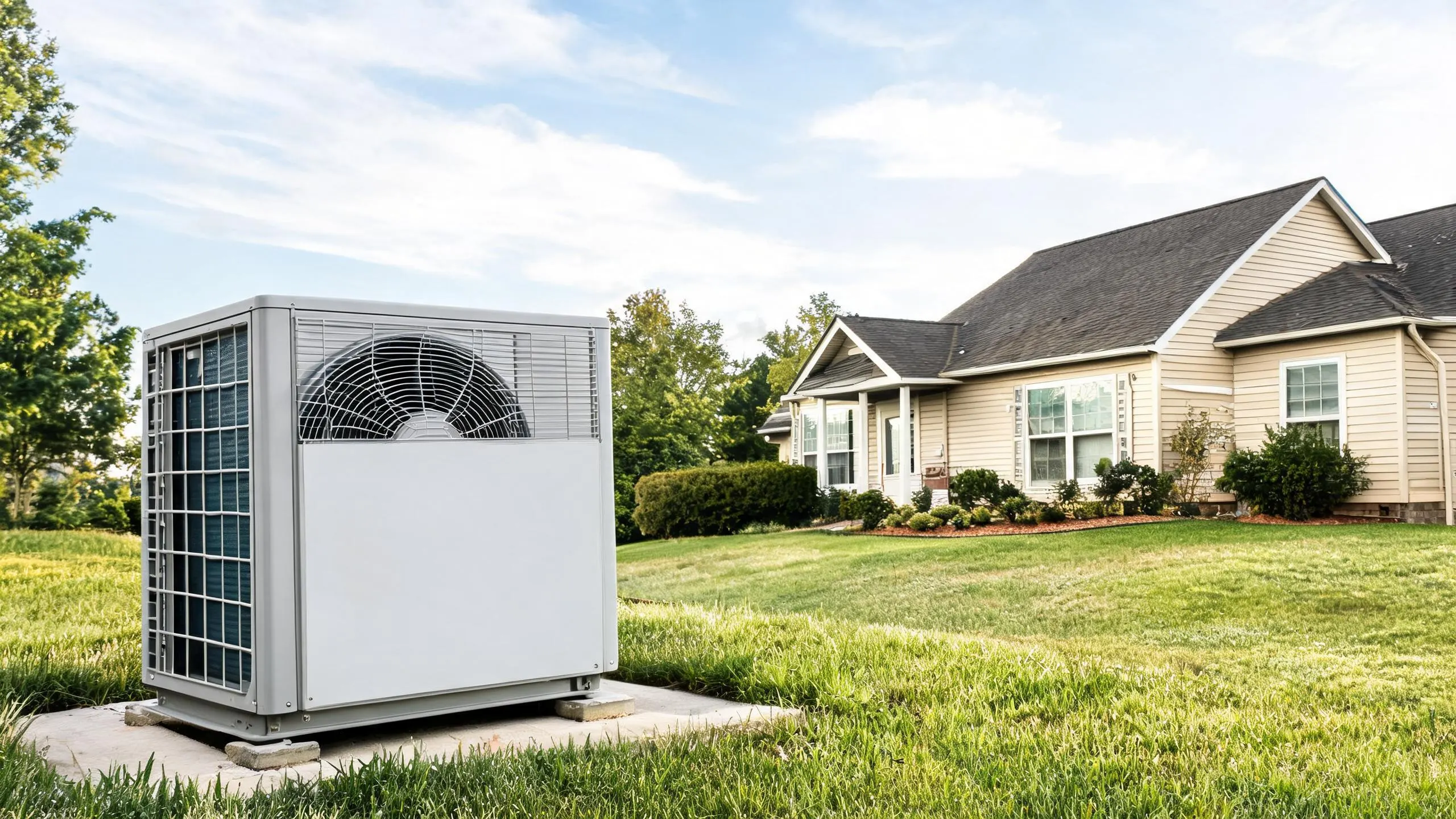




An outdoor heat pump unit mounted on a concrete pad in front of a single-story suburban house with beige siding.

Heat Pump Maintenance in Cathlamet, WA

Tell us about the job

Takes about a minute. No obligation.

Tune-up, service, or cleaningHeat PumpWahkiakum County, WA
Step 1 of 2

What ZIP code is the job in?

Skip maintenance long enough and a heat pump does not fail all at once. It loses ground slowly until something finally gives out. The outdoor coil collects dirt and pollen over time, and once it is coated the system cannot move heat the way it should, so it runs longer to do the same job. A dirty filter adds to that strain, choking airflow across the indoor coil until the system struggles both ways, pulling heat in winter and pushing it out in summer. Low refrigerant from a slow leak often goes unnoticed because the system still runs, just weaker, and weaker for months at a stretch wears on the compressor. The compressor is the part nobody wants to replace, and it is almost always the part that goes when everything feeds into it and nothing gets checked along the way.

Wahkiakum County saw damaging wind 4 times between 2015 and 2024, and hail just once in that same stretch.

A heat pump here spends less of its life fighting the weather, so a yearly check is mostly about catching the wear that age and dust cause on their own.

One check a year, timed right, covers it here

Half the homes here were built by 1978
4 damaging wind events from 2015 to 2024
1 hail event from 2015 to 2024

Book the yearly check at the same time each year instead of waiting for something to feel off. Late winter is a good time here, before the system has to carry the house through overnight lows that average 35°F. A tech can clear the outdoor coil, check the refrigerant level, and confirm the system is pulling its weight before the cold mornings ask more of it. A weak capacitor or a slow leak found at that visit is far easier to deal with than the same part after months of strain.

Keep up the yearly check

Easy duty still wears parts. A yearly check keeps it going a long time.

Find a contractor
A gray air-source heat pump mounted on a concrete pad next to a house with gray vinyl siding, surrounded by gravel and flanked by green shrubs and white hydrangea flowers.

What a real check covers that a quick one skips

A quick visit checks that the system turns on and blows air. That tells you almost nothing. A thorough one has the tech pull the panels, not just glance at them. They check refrigerant charge with gauges against the manufacturer's numbers, not by feel. They test the capacitor under load, since a capacitor can test fine sitting still and still fail to start the compressor under real demand. They check the reversing valve actually shifts the system between heating and cooling, not just that it hums. They measure temperature rise or drop across the indoor coil to see if the system is moving the heat it should. They clear the outdoor coil fins from the inside out, not just hose off the surface. None of that takes long to describe, but it takes real time to do, and a visit that is in and out in a few minutes has not done most of it.

The system tells you before it quits

A heat pump rarely fails without warning. It starts taking longer to bring the house to temperature, or it runs in longer stretches than it used to. Outdoors, frost building up on the coil and staying past a defrost cycle means something is already off. Indoors, air that feels cooler than usual coming from the vents during heating mode is often the first sign the system is losing ground. None of these stop the system from running, so it's easy to miss them until the compressor is the one paying for it.
The strain starts long before the sign does

By the time a heat pump shows a clear problem, whatever caused it has usually been at work for a while. A slow refrigerant leak or a coated coil does not announce itself early. It just makes the system work harder, quietly, until the compressor has absorbed months of that strain. A yearly check catches the dirty coil or the weak capacitor while it is still just that, before it turns into the failure the homeowner actually notices.

Between visits, the filter is the one thing worth checking yourself. Pull it out, hold it up to a light, and if you can't see through it, swap it. A clogged filter chokes airflow across the indoor coil, and the system will run longer and work harder no matter how well tuned it is otherwise. Keep anything that blocks the outdoor unit, leaves, mulch, a fence built too close, away from it so air can move through the coil freely. Don't cover the outdoor unit in winter thinking it needs protection from the cold. It's built to run in it, and blocking airflow does more harm than the weather would. If you hear a new noise or notice warm air blowing during heating mode, that's worth a call rather than something to wait out until the next scheduled visit.

A tune-up is more than a coil cleaning. The tech checks the refrigerant charge, since too much or too little makes the compressor work harder to move the same heat. They check the reversing valve, the part that switches the system between heating and cooling, because a sticky valve can leave the house warm when it should be cool or the other way around. They test the contactor and capacitor that get the compressor and fans started, since a failing one can leave a system cycling on and off instead of running clean. They check the blower motor and its wheel for dust buildup, which cuts airflow even when the filter is fresh. They look over the electrical connections, because a loose one builds heat and wears out the part it feeds. Each of these fails on its own timeline, quietly, and a tune-up is the one chance each year to catch them before they take the compressor down with them.