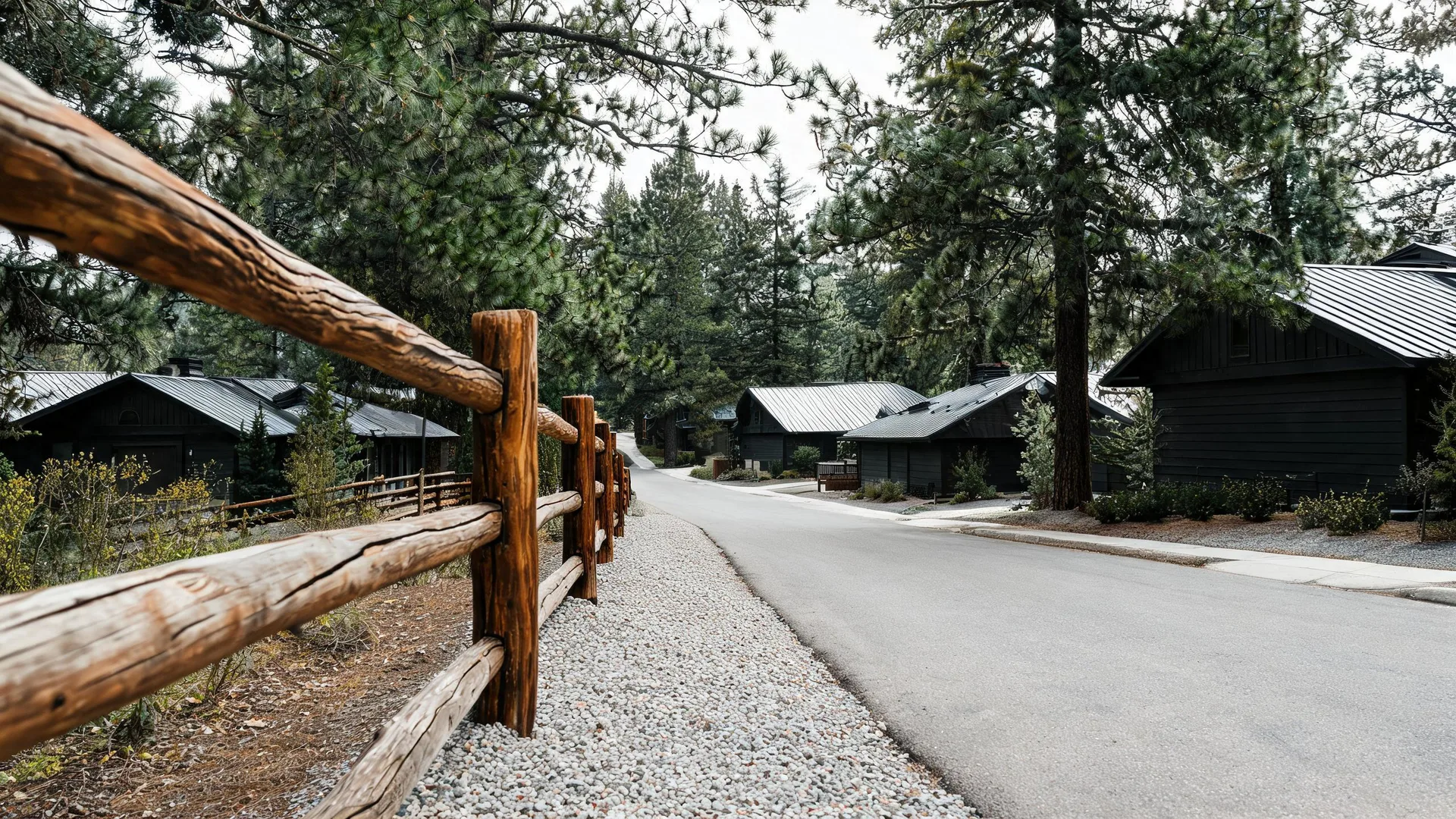





A paved road with a gravel shoulder runs past dark-clad houses with metal roofs among tall conifers, bordered in the foreground by a rustic split-log rail fence.

Heat Pump Maintenance in Colville, WA

Tell us about the job

Takes about a minute. No obligation.

Tune-up, service, or cleaningHeat PumpStevens County, WA
Step 1 of 2

What ZIP code is the job in?

Winter storms hit Stevens County 319 times between 2015 and 2024. That is heavy snow and ice, year after year, right on top of the outdoor unit. Wind and hail add to it too, packing debris into the coil and the fan. Close to a quarter of Washington households lost power for a full day or longer in 2024. A heat pump that is already carrying storm wear is the last thing you want to count on when the power comes back.

A heat pump in Colville isn't fighting extreme heat most of the year.

Less strain on the system means a yearly check goes further and catches wear before it becomes a breakdown.

Heat runs here by September. Have it checked in August.

Cooling runs July through August
Heat runs September through June
31 damaging wind events from 2015 to 2024
One check a year covers itHalf the homes in Stevens County were built in 1985 or earlier, and 18.4% are mobile homes.

One visit a year is enough to keep a heat pump like this running the way it should. A technician can check refrigerant charge, clean the outdoor coil, and test the electrical connections in a single appointment, and that covers what storm wear and winter use tend to hit hardest. Electricity in Washington ran 11.90 cents per kilowatt-hour in 2024, so a unit working harder than it needs to shows up on the bill before anything actually fails. Catching a weak capacitor or a coil packed with debris before the cold sets in means it gets fixed on a mild day, not during the first hard freeze. There's no reason to check it more often than that if nothing is going wrong in between.

Check it before storm season

Storm season beats up outdoor units here. Have it checked for damage and debris before you need it.

Find a contractor
A gray air-source heat pump mounted on a concrete pad next to a house with gray vinyl siding, surrounded by gravel and flanked by green shrubs and white hydrangea flowers.

What the cabinet hides, a yearly check still finds

A tune-up also turns up what the outdoor unit has been sitting on all year. Dirt and pollen settle into the coil fins low to the ground, and that buildup chokes airflow before the fan ever sounds wrong. A technician who pulls the panel can see rust starting at a seam or a mounting bolt working loose, neither of which shows from where the thermostat sits. The oil in the compressor and the wear on its mounts don't announce themselves either. A system can heat the house just fine while one of these is partway gone, and the only way to know is to have someone look while it's still running well.

A full tune-up means the panels come off

A quick visit gets you a glance at the outdoor unit and a check of the thermostat. A thorough one has the technician pull the access panel, check the capacitor's actual readings against what it should be, and inspect the reversing valve that lets the system switch between heating and cooling. Refrigerant charge gets measured, not guessed at. If nobody opens the cabinet, most of this never gets looked at.
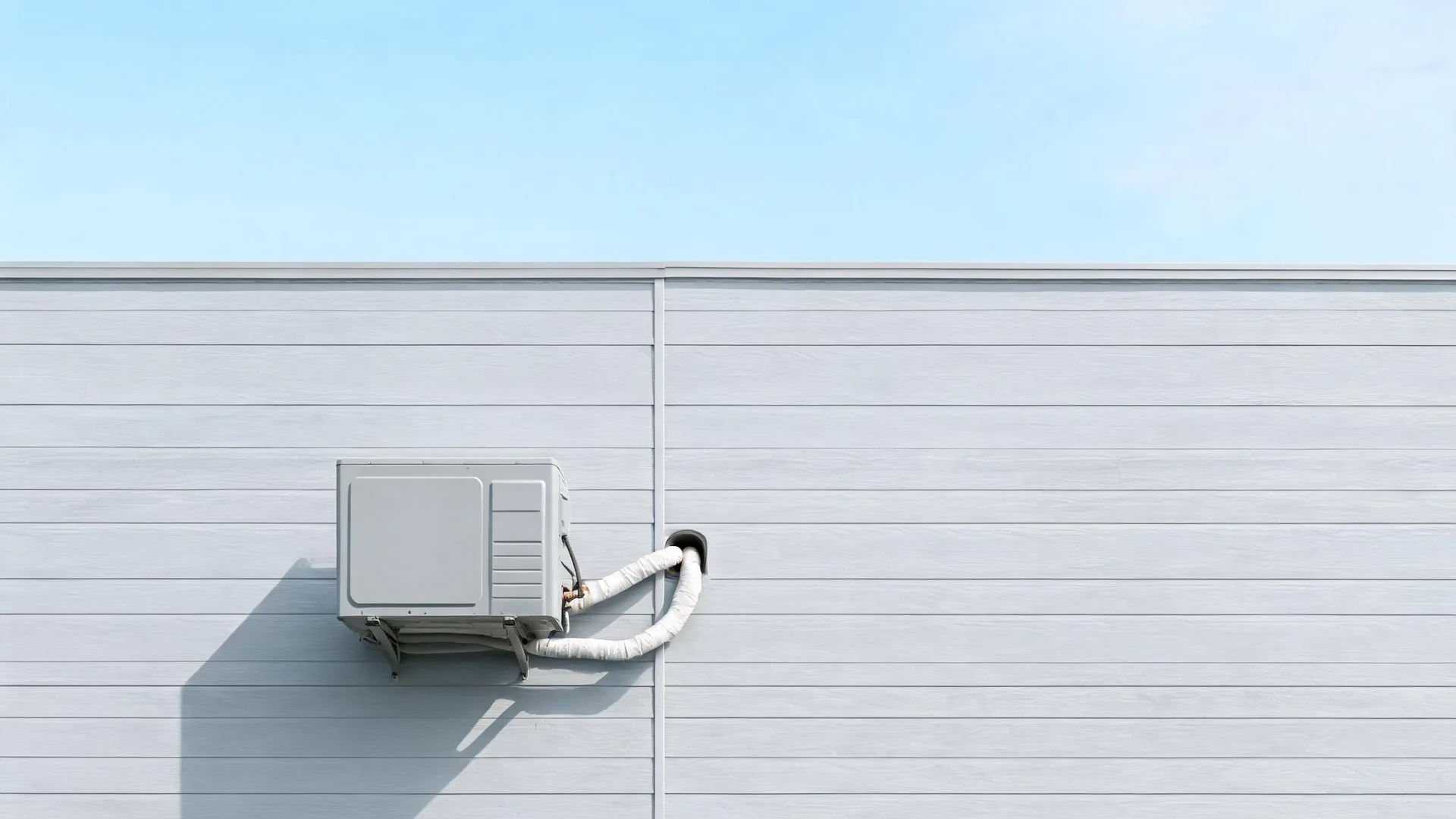
The reversing valve only proves itself at the switch

A heat pump earns its keep by reversing itself, pulling heat from outside air even when it's cold out. That reversing valve and the defrost control are what make the switch work, and they only get exercised at certain times of year. A tune-up that skips testing them can look fine in the moment and still leave the system stuck in one mode the first time it needs to change over.

A heat pump that needs a look usually tells you before it quits outright. The outdoor fan might run louder than it used to, or slower, or not at all when the unit calls for it. Ice building up on the outdoor coil in weather that isn't cold enough to explain it is a sign the defrost cycle isn't doing its job. Inside, warm air that feels cooler than it should, or air that keeps blowing after the thermostat is satisfied, points to a system working harder for less heat. Short cycling, where it kicks on and off in quick bursts instead of running a steady stretch, wears on the compressor every time it happens. None of these mean the system is done. They mean it wants a look before the small problem becomes the only one left to fix.

A tune-up on a heat pump covers the cold side and the electrical side, and both matter. On the refrigerant side, the technician checks the charge against what the system was built to run. Too little or too much and the system works harder for less heat either way. On the electrical side, the capacitor and contactor get tested under real load, not just looked at. A capacitor can read fine sitting still and still fail the moment the compressor tries to start. The condensate drain gets checked too, even on a heating call, since a clogged one backs up and can shut the system down on its own. Filters get swapped or cleaned, and the blower wheel gets looked at for dust buildup, since a dirty wheel moves less air no matter how well the rest of the system is running.