An outdoor air conditioning condenser unit mounted on a concrete pad in front of a single-story suburban house.

Heat Pump Maintenance in Davenport, WA

Tell us about the job

Takes about a minute. No obligation.

Tune-up, service, or cleaningHeat PumpLincoln County, WA
Step 1 of 2

What ZIP code is the job in?

A dirty filter works the whole system harder

When the filter clogs, the blower has to pull harder to move air across the indoor coil. That coil can start to ice over, and a heat pump trying to heat or cool through a frosted coil loses efficiency fast. A filter is the cheapest part of this system and the easiest one to neglect.


The outdoor coil and drain need their own checks

The outdoor coil has to stay clear of dirt, grass clippings and leaves or it cannot release or absorb heat the way it needs to. Inside, the condensate drain line can grow algae and clog, and when it backs up the water has to go somewhere, usually into the pan or onto the floor below it.

Half the homes in Lincoln County were built in 1972 or earlier.

A heat pump in a house that old is worth a yearly check, so a small problem gets caught before it becomes a breakdown.

Heat runs here starting in September. Have the heat pump checked in August.

Cooling runs July through August
Heat runs September through June
64 damaging wind events from 2015 to 2024

A quick visit gets you a filter swap and a glance at the thermostat. That's it. A thorough one has the tech pull the panels and actually look at the contactor and capacitor, since those wear out and take the compressor with them if they fail. They'll check refrigerant charge against what the system calls for, not just top it off and leave. They'll flush or check that condensate line so it isn't quietly clogging behind the wall. And they'll check the reversing valve, the part that lets a heat pump switch between heating and cooling, because if that's sticking you won't find out until the season you need it most. Ask what they checked, not just what they did.

One visit a year covers it

A heat pump only needs one checkup to catch what's wearing out before it fails. There's no season here that calls for more than that. Washington homes paid 11.90 cents per kilowatthour in 2024, and a heat pump running on a dirty coil or a low charge costs more every month it goes unchecked. One visit, once a year, is enough to stay ahead of it.

Find a contractor
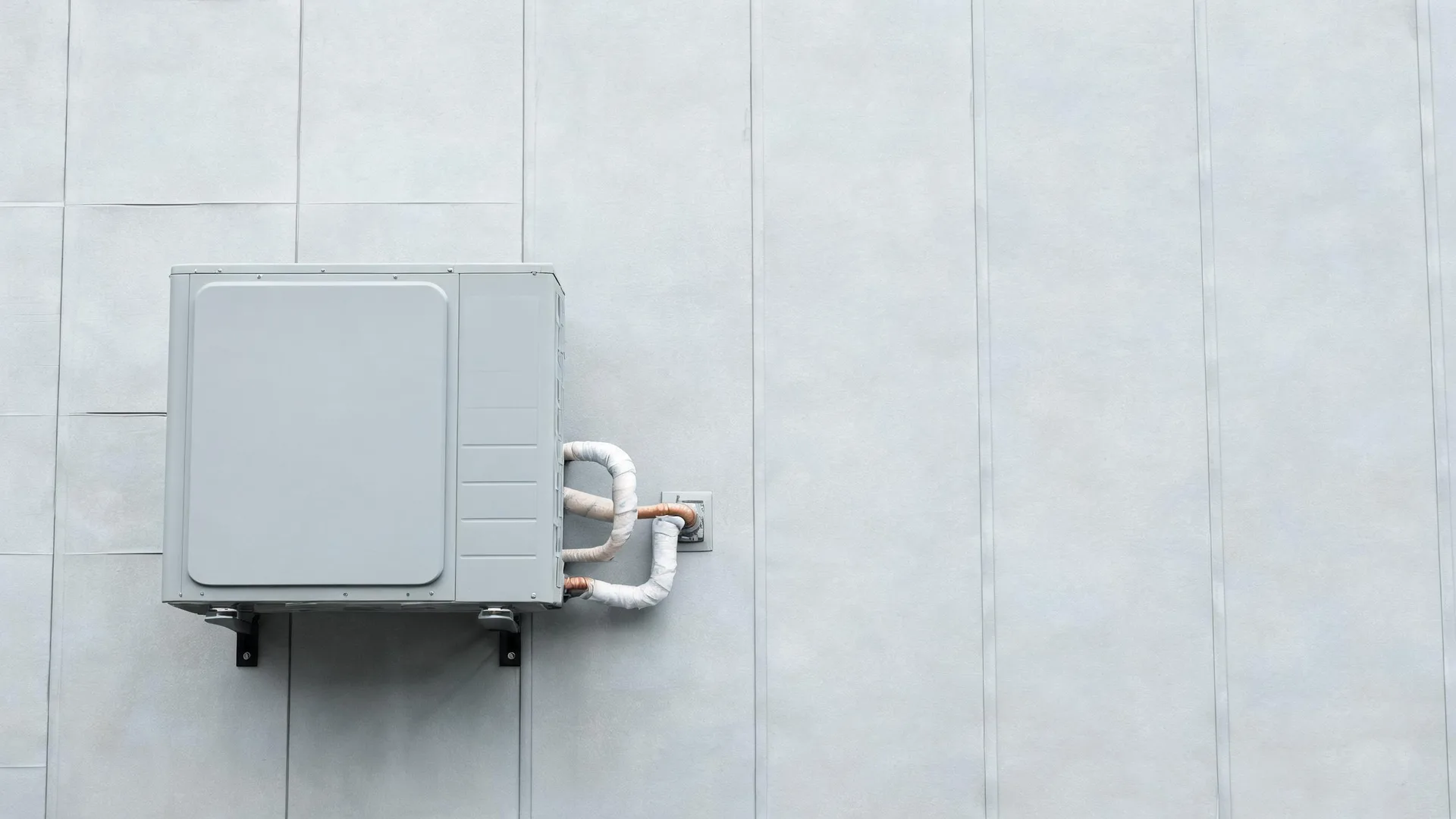
A residential heat pump outdoor unit mounted on a concrete pad next to a house with gray vinyl siding.

Know how old yours is

If the heat pump came with the house, find out when that was. A technician can check the data plate during the yearly visit and tell you what you're working with. A system that old wears differently than one put in new a few years back. The same visit catches either case. That yearly check is what tells you whether this one still has years left or needs planning for.

Readings a thermometer can't give you

A tech checks refrigerant pressure against the temperature of the line, and checks electrical draw against what the compressor is rated for. Both can look fine from the thermostat and still be off enough to wear the compressor down early.

Wear that shows before it breaks anything

A contactor pits a little more each time it closes. A capacitor loses its charge slowly, not all at once. Neither one gives you a warning sign at the thermostat. Caught during a check, a worn part gets swapped on a schedule instead of on a service call when the system won't start.

Between visits, the filter is the one thing worth your attention. Check it monthly and swap it when it's gray or matted, not on a fixed schedule, since how fast it loads up depends on the filter itself. Keep the area around the outdoor unit clear, a couple feet on every side, so air can move through the coil. After mowing or raking nearby, take a look and brush off anything stuck to the fins. Don't cover the outdoor unit or box it in, even in the cold months, since it still needs airflow to do its job. Past that, leave the panels closed. What's underneath them is for the yearly check, not a weekend project.

A full tune-up checks how the system runs, not just whether it starts. The tech measures airflow across the indoor coil, since a blower working too hard or too soft points to a filter, duct, or blower problem before it shows up as a comfort complaint. They check the temperature split between the air going in and the air coming out, in both heating and cooling, because a heat pump that can't hit the right split somewhere is losing capacity even while it's running. They'll check that the outdoor fan motor spins freely and pulls the draw it's supposed to. They'll look at the wiring and connections inside the unit for anything loose or scorched, since a bad connection generates heat on its own and can take out a board or a motor. None of this shows up by watching the thermostat do its job.