Winter storms are routine here
Pend Oreille County logged 319 winter storm events between 2015 and 2024. That is weather your outdoor unit sits through year after year, not a rare bad week.
Takes about a minute. No obligation.
Pend Oreille County logged 319 winter storm events between 2015 and 2024. That is weather your outdoor unit sits through year after year, not a rare bad week.
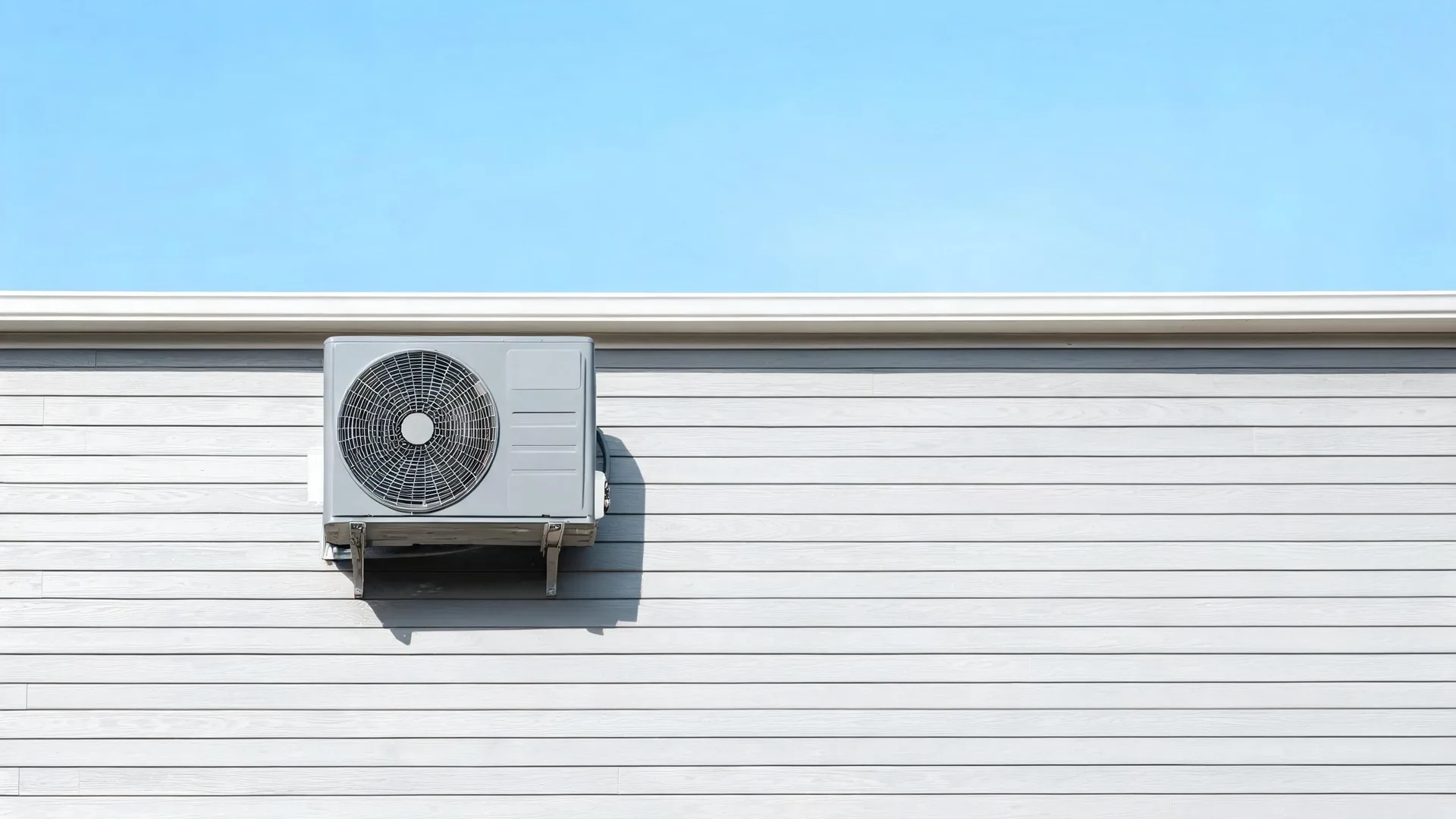
The coil and fan sit outside, exposed to wind-driven snow and ice. Snow and ice built up around the unit block the airflow it needs to run, and a bent fin from a storm can stay bent until someone checks it.
Winter nights here average 20°F, not the deep cold some places see.
A heat pump in Newport isn't fighting extreme cold every night, but it still needs a yearly check to catch what the season does to it.




Skip maintenance and nothing happens right away. A heat pump left alone will keep running, just worse at it. Dirt builds up on the outdoor coil a little at a time, and the system works harder to move the same amount of heat. A refrigerant leak too small to notice on its own gets worse the longer it goes unchecked, and a compressor run low on charge for long enough wears in a way that does not undo itself once the charge is corrected. Electrical connections loosen on their own over time, and a loose one generates heat until it takes out a contactor. None of this shows up as a sudden no-heat call. It shows up as a system that fails earlier than it should have.
Pend Oreille County sees winter storms more years than not. A yearly check before the season gets going catches a cracked fin or a coil packed with debris while it's still simple to fix.
Find a contractorThat yearly check is what to put on the calendar, not just think about before the first storm rolls in. Have it looked at the same month each year and it stops being something you might get around to. The tech can look at the same unit, outside in the same spot, season after season, and catch a fin that's starting to bend or a coil that's building up dirt before it turns into a breakdown in January.
A heat pump low on refrigerant will still run and still blow air, so there is nothing for a homeowner to notice from inside the house. A gauge set on the lines is the only way to see it. Run low for a season and the compressor works harder to move the same heat, and that wear does not reverse once the charge is corrected.
The reversing valve switches a heat pump between heating and cooling, and it can sit unused in one position for months. A valve that is starting to stick gets found when a tech cycles it on purpose during a visit, not when the system is switched over on the first cold morning and nothing happens.
A few signs are worth paying attention to between visits. Ice forming on the outdoor coil that does not melt off during the defrost cycle points to a problem, whether that is airflow, charge, or the defrost control itself. A system that runs long stretches without ever kicking into defrost, when the weather clearly calls for it, is worth a second look too. Air from the vents that feels cooler than it used to on the heating side can mean the charge has dropped or the compressor is starting to lose capacity. A clicking that continues after startup, or a hum from the outdoor unit with no fan movement, is also worth noting. None of these mean the system is about to fail outright. Each one is the kind of thing a tech can trace to its cause before it turns into a cold morning with no heat at all.
A proper tune-up starts outside, with the coil cleaned and the fins checked for anything bent or blocked. The fan motor and blower get checked for noise and for the amount of air actually moving, since a motor can run fine and still be weak. Electrical connections get tightened, because a loose one builds heat and wears out a contactor before its time. The condensate drain gets cleared, so it is not sitting ready to back up the first time it is needed. Filters get checked or replaced, since a clogged one starves the whole system of airflow no matter how good the rest of it is. None of this is guesswork. It is a tech going through the same list every time, because the parts that fail are the same parts every time.