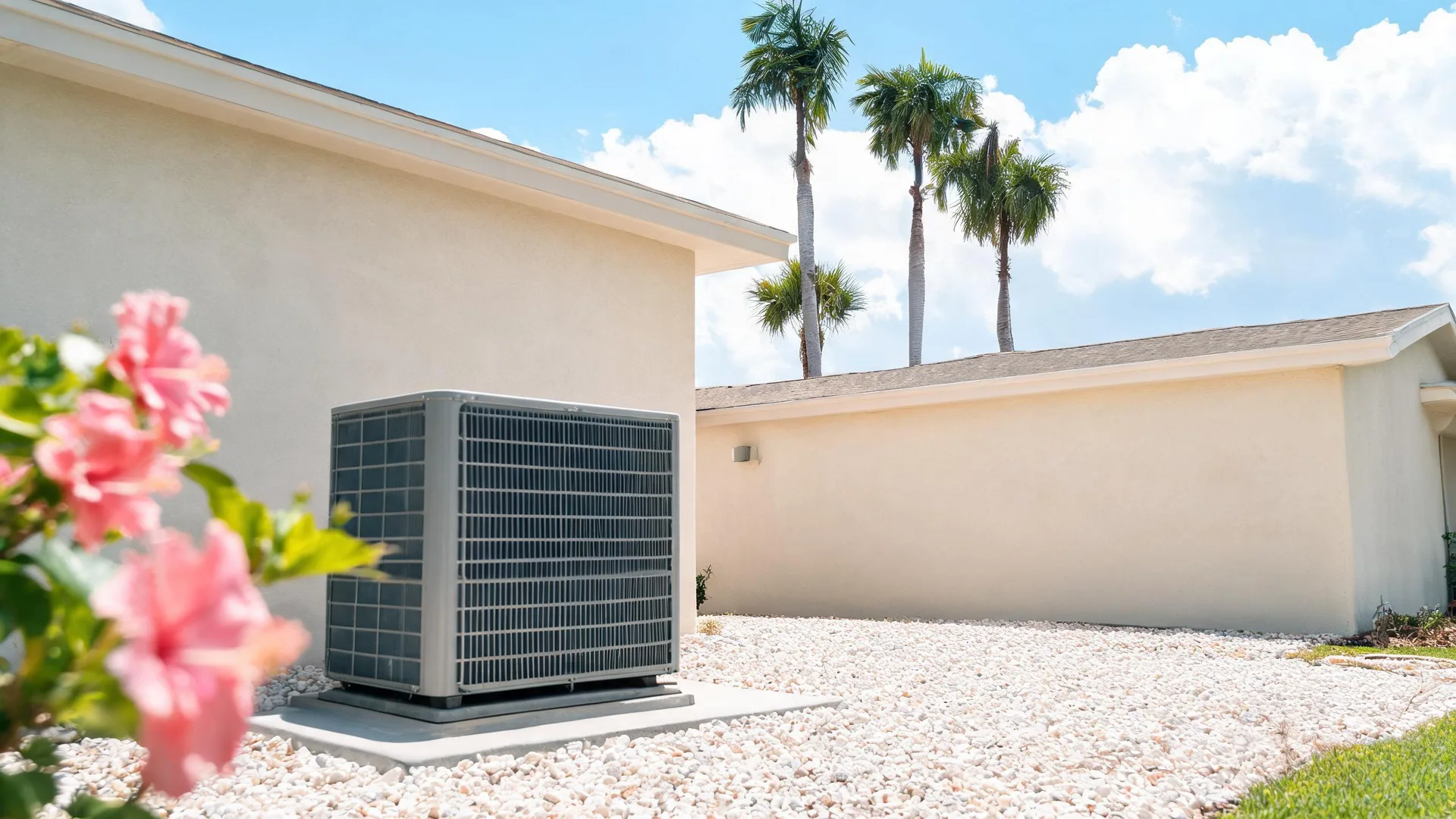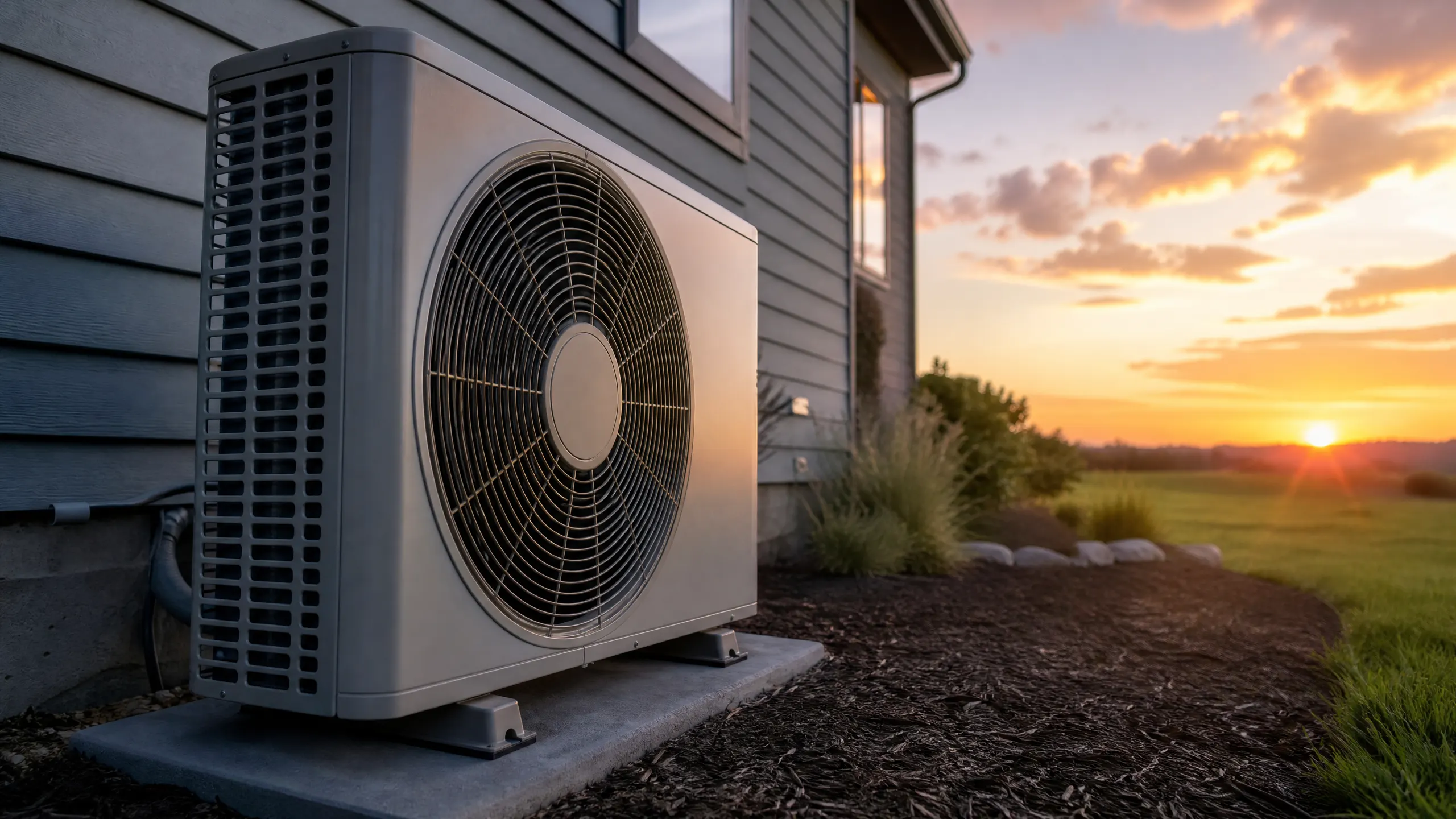
A grey residential air-conditioning condenser unit mounted on a concrete pad beside a house, photographed at sunset.

Heat Pump Maintenance in Omak, WA

Tell us about the job

Takes about a minute. No obligation.

Tune-up, service, or cleaningHeat PumpOkanogan County, WA
Step 1 of 2

What ZIP code is the job in?

The refrigerant charge gets checked, not assumed

A quick visit means someone looks at the filter and calls it done. A thorough one means gauges go on the lines and the tech checks the charge against what the system is supposed to have. A heat pump running low on refrigerant will still blow air, just not enough heat or cooling, and that kind of shortfall doesn't show up without actually checking.


The reversing valve gets tested in both directions

The reversing valve is what switches a heat pump between heating and cooling, and it only gets exercised when the season changes. A tune-up worth the name runs the system in both modes and listens for the valve to switch cleanly. Skip that step and a stuck valve won't turn up until the day you need the other mode and don't have it.

Half the homes around Omak were built in 1982 or earlier, half in 1982 or later.

A heat pump's age doesn't follow the house either way. One check a year catches wear before an outage does.

Heat runs September through June, one check a year keeps it running

Power costs 11.9 cents a kWh statewide
Climate zone 5B
Heat runs September through June

Winter storms hit Okanogan County 243 times between 2015 and 2024, more than any other kind of severe weather here. Snow and ice build up on the outdoor unit's coil and fan, and wind-blown debris gets into the cabinet where you can't see it. A heat pump sitting through that needs someone to check the coil and fan for damage before the snow covers it up for months. Almost a quarter of Washington households lost power for a day or more in 2024, and a heat pump does nothing for you during an outage no matter how well it ran the day before. A check before winter catches what the weather already did, while you can still get to it.

Heat starts running in September. Have it checked in August.

Heat runs here from September through June, and it starts working hard from day one. A check in August catches a weak system before it has to carry the next ten months.

Find a contractor
A gray heat pump outdoor unit mounted on a concrete pad next to the stone-accented exterior wall of a house.

What a heat pump tells you before it fails

A heat pump that runs for months without stopping wears in ways a short season never shows you. Listen for it cycling on and off more than it used to, or running long stretches without ever seeming to catch up. Watch the outdoor fan. It should spin freely and sound steady, not strained. Frost is normal on that outdoor coil in cold weather, but it should melt off during the defrost cycle. Frost that stays, or ice that builds up thick, means the defrost board or a sensor isn't doing its job. Inside, a filter clogged with dust makes the whole system work harder to move the same air, and that strain travels back to the compressor. If a room is taking longer to reach temperature than it used to, or the system is blowing air that feels only lukewarm, those are signs worth a look before the unit has to prove itself on the coldest night of the year.

The filter decides how hard everything else works

A dirty filter chokes airflow, and the system responds by pulling return air harder and running longer to move the same amount of heat. That strain lands on the compressor and the blower motor. A filter is the one thing a homeowner can check between visits without taking anything apart.

A coil covered in dirt or a drain that won't drain stops the system cold

The indoor coil has to be clean to pull heat out of the air, and the outdoor coil has to be clean to dump it or collect it. A film of dust or grime on either one cuts the transfer and makes the system run longer to do less. The drain line carries off the condensation that coil produces, and if it clogs, water backs up into the cabinet or trips a float switch that shuts the whole system down.

A tune-up also means someone opens the electrical panel on the unit and checks what you'd never see from the thermostat. Contactor points pit and burn a little every time the compressor cycles on, and a worn one can stick or fail to make contact at all. Capacitors lose their charge over years of running, and a weak one makes the compressor strain to start instead of kicking on clean. Wiring connections loosen from the vibration of the unit running day after day, and a loose connection heats up right at that spot. None of this shows up as a symptom you'd notice until the part actually fails, usually at the worst possible time. A tech with a meter in hand can test the capacitor's actual strength and look at the contacts directly, which is the only way to catch a part that's about to go instead of one that already has.

A tune-up covers the parts that keep refrigerant moving at the right pressure, not just the parts you can see. The compressor gets checked for how it sounds and how hard it's pulling to do its work, since a compressor under strain draws more power long before it quits. The blower motor and the outdoor fan motor both get checked for bearing wear, which shows up as noise before it shows up as a seized motor. A tech also checks the line set insulation, since bare refrigerant line loses ground to the air around it the whole length of the run. None of these fail all at once. They wear a little every season, and a yearly check is what catches that wear while the part can still be replaced on your schedule instead of the system's.