





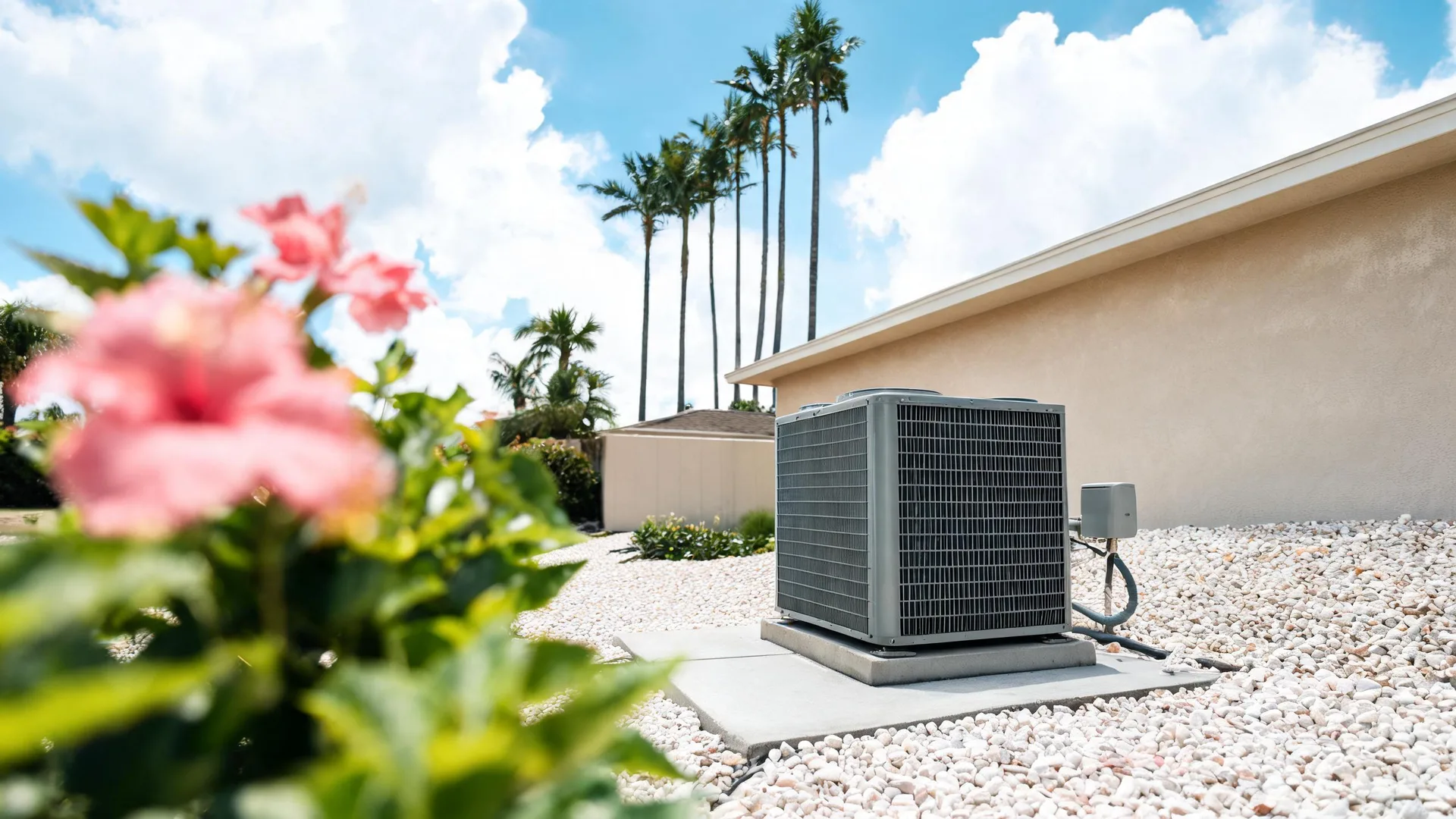
An outdoor HVAC condensing unit on a concrete pad next to a beige single-story house with a dark shingle roof.

Heat Pump Maintenance in Pomeroy, WA

Tell us about the job

Takes about a minute. No obligation.

Tune-up, service, or cleaningHeat PumpGarfield County, WA
Step 1 of 2

What ZIP code is the job in?

A quick visit usually means someone checks the thermostat setting, looks at the outdoor unit, and tops off refrigerant if the pressure seems low. A thorough one goes further. The tech should pull the panel and check the contactor and capacitor, since those wear out and cause no-start problems later. They should wash the outdoor coil, not just glance at it, because a coil caked with dirt or grass clippings makes the whole system work harder to move heat. They should check refrigerant charge against the manufacturer's numbers rather than just adding some in, and they should flip the system into both heating and cooling mode to confirm the reversing valve actually switches. If the visit is over before someone has gotten their hands dirty, it was the quick version.

A heat pump in Garfield County runs heat from September through June, about ten months a year.

Book the checkup in August, the month before heat season starts, so a worn contactor or low charge gets caught before the first cold month puts load on it.

Half the homes in Garfield County were built in 1957 or earlier

Half the homes here were built by 1957
12 damaging wind events from 2015 to 2024
2 hail events from 2015 to 2024

A heat pump that needs a look won't always tell you with a breakdown. Watch for short cycling, where it kicks on and off every few minutes instead of running a steady stretch. Listen for the outdoor unit struggling to start, a hum or click with no fan movement behind it. Feel the air at the vents. If it's barely warm on a cold morning, the reversing valve or the charge may already be off. Ice on the outdoor coil that doesn't clear during the defrost cycle is another sign, since a healthy unit sheds that frost on its own. None of these mean the system is done for, but they mean it's due for a look before it picks the coldest week to quit.

Book it before the season

It starts running hard in the first month of the season here. Book the check the month before.

Find a contractor
A man in a dark long-sleeved shirt and tan work pants, seen from behind, climbs porch steps toward a navy front door while carrying a canvas tool bag.
A gray outdoor HVAC unit mounted on a concrete pad beside a house with gray lap siding and a stone foundation.

What a glance won't catch

A heat pump runs in both directions all year. The parts that wear are working on every call, not just the hard ones. A tune-up catches what that wear looks like before it turns into a breakdown. A contactor gets pitted contacts and stops making a clean connection. A capacitor goes weak and the compressor labors to start instead of spinning right up. A reversing valve sticks partway and the system blows air that's not quite the temperature it should be, without ever fully failing. None of that shows up by looking at the thermostat or standing by the outdoor unit. It shows up when someone pulls the panel, puts a meter on the capacitor, and watches the valve actually switch under load.

Keep the outdoor unit clear

The outdoor unit needs open air on all sides to move heat. Keep leaves, grass clippings and snow away from the cabinet, and leave space for air to pass through the coil. Don't stack firewood or park equipment next to it. A unit that can't breathe works harder and wears out its parts faster, and that's not something a homeowner can fix mid-season, only prevent.
Change the filter, leave the rest alone

A dirty filter is the one thing between visits that's actually yours to handle. Check it monthly and swap it when it's visibly clogged, since restricted airflow makes the system run longer to do the same job. Past that, leave the panel closed. The capacitor, the contactor, the reversing valve all need a meter and some training to check safely, and opening that up yourself risks a shock or a system that's worse off than before.

Skip the yearly visit and nothing fails right away. A heat pump keeps running the next month and the one after that, because the parts that are wearing don't announce themselves until they're most of the way gone. A contactor with pitted contacts still closes the circuit, until the pitting is bad enough that it doesn't. A weak capacitor still starts the compressor, slower and hotter each time, until the day it can't. The system runs the whole time maintenance is skipped, just with less margin behind it, so when something finally gives it tends to happen on the hardest working day of the year instead of a mild one. That's the trade a skipped visit makes. Nothing for a while, then a breakdown on the coldest morning instead of a fix on an easy afternoon.

A tune-up worth paying for ends with paperwork, not just a clean filter. The tech should write down refrigerant pressures, temperature split across the indoor coil, and amp draw on the compressor, then compare those numbers against what the manufacturer specs for that model. That's what catches a system that's degrading slowly, before it trips into a full failure. They should also check the condensate drain and pan, since a clogged drain backs up and can shut the system down or damage the air handler. The defrost control gets tested too, forcing a defrost cycle to confirm the unit senses frost buildup and clears it rather than running iced over. A tune-up that skips the measurements and only eyeballs the equipment hasn't told you anything you couldn't see yourself.