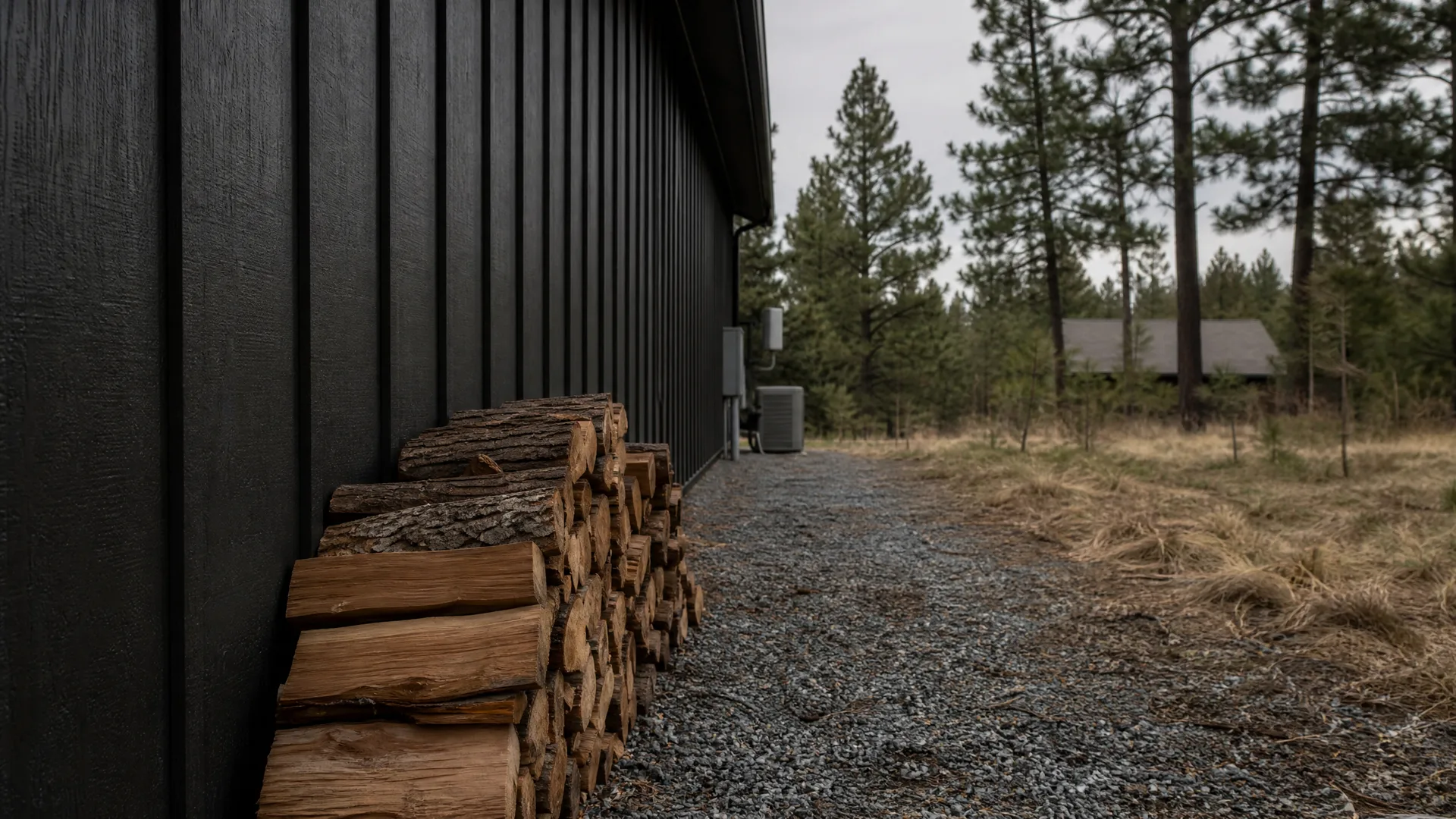
A stack of split firewood along the base of a black vertical-board building wall, with a gravel path, dry grass, and pine trees under an overcast sky.

Heat Pump Maintenance in Pullman, WA

Tell us about the job

Takes about a minute. No obligation.

Tune-up, service, or cleaningHeat PumpWhitman County, WA
Step 1 of 2

What ZIP code is the job in?

A dirty filter works the whole system harder

When the filter clogs, the blower has to pull harder to move air across the indoor coil. That coil can start to ice over, and the compressor ends up working against restricted airflow instead of moving heat the way it should. A heat pump running this way loses efficiency in both heating and cooling mode, since it depends on steady airflow either direction.


The outdoor coil and drain need their own checks

The outdoor coil has to stay clear of leaves, grass clippings and dust so it can transfer heat properly, and the condensate drain needs to run free so moisture from the indoor coil has somewhere to go. A clogged drain backs up and can overflow near the indoor unit. Both are worth a look during a maintenance visit, since neither one gets noticed until there's standing water or a coil caked in debris.

A heat pump in Whitman County switches to heat in September and stays on it through May.

August is the month to get it checked, before it has to carry nine months of heat.

Nothing unusual here, just an old housing stock and a yearly check

Half the homes here were built by 1977
27 damaging wind events from 2015 to 2024
5 hail events from 2015 to 2024

Winter storms hit Whitman County 58 times in the last ten years, and damaging wind another 27. That's the weather here, mostly snow and ice, with wind close behind. None of it changes what a heat pump needs. A storm that cuts power for a day doesn't ask anything extra of the unit once it's back on, and wind or snow load doesn't wear on a compressor the way a full season of steady run time does. What wears on it is the months of heating duty already covered above. So the weather here doesn't move the maintenance question. One visit a year, timed before the months it works hardest, still covers it.

Keep up the yearly check

Easy duty still wears parts. A yearly check keeps it going a long time.

Find a contractor
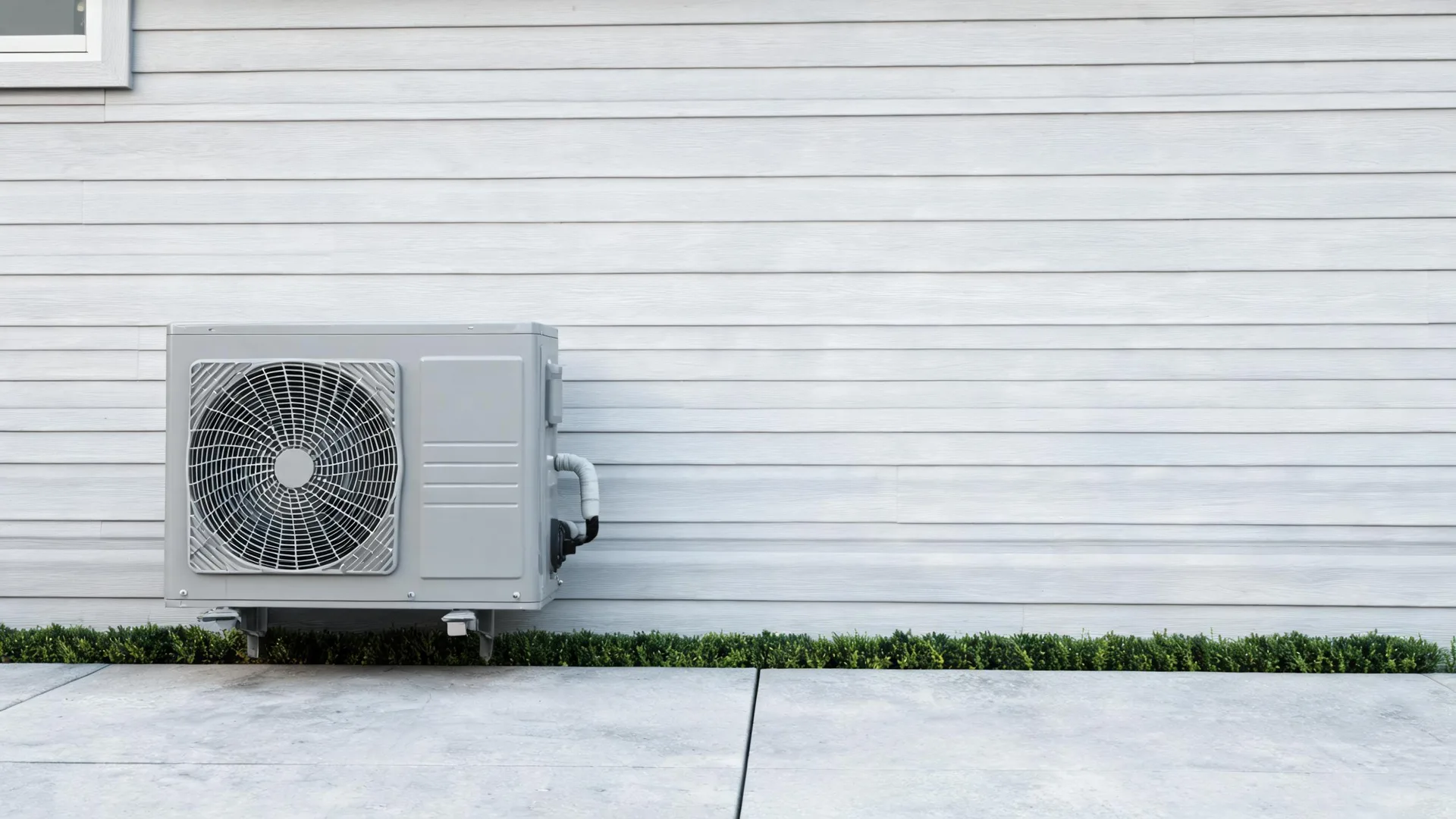
A gray heat pump outdoor unit mounted on a concrete pad next to the stone-accented exterior wall of a house.

A heat pump tells you before it quits

A heat pump gives you warning before it quits. It runs longer than it used to and the house still feels a few degrees off. Frost builds up on the outdoor unit and sits there instead of clearing on its own during the defrost cycle. The air coming out of the vents feels cool when it should feel warm, even though the system is running. Sometimes there's a smell when it first kicks on, usually a sign of moisture where it shouldn't be. A capacitor that's starting to go can make the outdoor fan hesitate before it spins up, and a refrigerant charge that's a little low won't stop the system, it'll just make it work longer to do the same job. None of this is enough to make anyone call for help. That's exactly why a yearly check matters. It catches the weak part while it's still just weak, not after it's failed on the coldest morning of the year.

The reversing valve gets tested both ways

A heat pump has to switch between heating and cooling, and that switch is the reversing valve. If it sticks, the system can get stuck in one mode or start blowing air that's the wrong temperature for what the thermostat is asking for. A homeowner has no way to check this without running the system in both modes and watching what actually comes out of the vents, which is part of what a tune-up does.

Electrical connections loosen without any sign

Every connection in the outdoor unit and the air handler carries current, and over time the metal expands and contracts enough that screws back out and connections loosen. A loose connection can run fine for a while and then arc, burning a wire or a terminal. There's no smell and no sound until it fails. Checking torque on these connections is routine during a tune-up, and it's not something anyone would think to do otherwise.

A quick visit gets the filter swapped and the refrigerant pressure glanced at, then it's done. A thorough one puts a meter on the capacitor and reads the actual numbers instead of guessing from how the fan sounds. It checks amp draw on the compressor against what that compressor is rated for, not just whether it starts. It runs the system in both heating and cooling to watch the reversing valve actually switch, since a valve can work in one direction and stick in the other. It checks subcooling and superheat against the charge the system is supposed to carry, not just whether the lines feel cold. Anyone can hose off the outdoor coil. Pulling the panel to check torque on the electrical connections, that's the part that gets skipped when a visit is rushed.

A tune-up also means pulling the blower wheel and checking it for dust buildup, since a wheel caked in dirt moves less air even when the motor itself is fine. It means checking the contactor in the outdoor unit for pitting, since a pitted contactor can stick closed or fail to make contact at all. A good tech also checks the thermostat calibration against an actual thermometer, because a thermostat reading a few degrees off will short-cycle the system or run it longer than needed without ever showing an error. None of this takes the place of the refrigerant and electrical checks already covered. It's the rest of what separates a visit that catches a weak part from one that just confirms the system turns on.