






A warmly lit Craftsman-style house on a wet residential street at night, surrounded by tall evergreen trees under a dark overcast sky.

Heat Pump Maintenance in Tacoma, WA

Tell us about the job

Takes about a minute. No obligation.

Tune-up, service, or cleaningHeat PumpPierce County, WA
Step 1 of 2

What ZIP code is the job in?

Half the homes in Pierce County were built in 1986 or later. If your house is one of them, your heat pump has years of working life ahead, and a yearly check is what keeps it running that whole time without a breakdown in the middle of winter. A tech cleans the coils, checks the refrigerant charge, and tests the electrical connections before any of it turns into a real failure. Skip a few years of that and small problems sit there getting worse, costing you efficiency the whole time. For a newer system, maintenance is less about rescue and more about keeping it from ever needing one.

Winter nights here average 31 degrees, not single digits.

A heat pump built for that doesn't have to work as hard, so a yearly check tends to keep paying off instead of chasing damage already done.

Ten months of heat start in September. Book the check in August.

Heat runs September through June
Winter nights average 31°F
Power costs 11.9 cents a kWh statewide
Easy winters still wear partsA yearly check catches that before a cold week with no heat.

Book the yearly check in late summer, before the first cold morning asks anything of the system. A tech tests it while it's idle, not while you need it. If your heat pump is still within its working life, that one visit a year is the whole job. There's no backlog to catch up on, no deferred repair waiting to surface. Just the same check, on the same schedule, for as long as the system is worth keeping.

Keep it in good shape

If your system is fairly new, a yearly check keeps it in good shape for longer.

Find a contractor
A man in a dark long-sleeve shirt and tan work pants, seen from behind, carries a worn canvas tool bag up steps toward a navy blue front door of a gray clapboard house, with a large blue planter and shrub to the right.
A dark gray heat pump unit mounted on a concrete pad next to a house with gray siding and a stone veneer wall.

Running most of the year leaves little room for small problems to go unnoticed

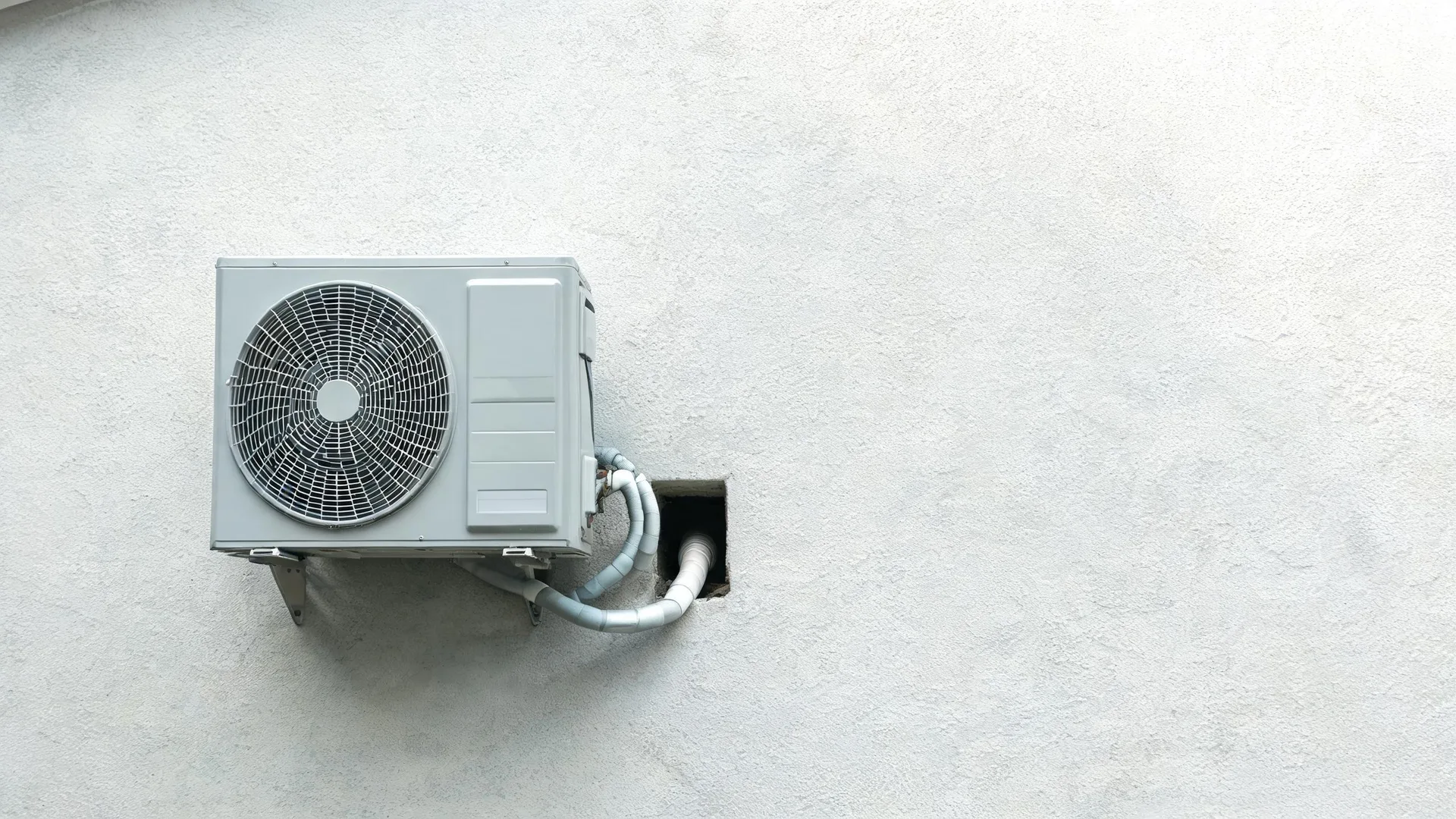
A heat pump that runs most of the year doesn't give you much of a break to notice small problems. Watch for the system running longer than it used to before it satisfies the thermostat. Listen for it cycling on and off more often than it did last year. Feel the air coming out of the vents. If it's not as warm as it used to feel, or not as cool in summer, the charge may be low or a coil may be dirty. A thin coat of frost on the outdoor coil during a defrost cycle is normal. Frost that builds up and stays is not, and it means the unit is losing its ability to pull heat from the air at all. Pay attention to the outdoor unit itself. Leaves, dirt or ice packed against the coil block airflow the same way a dirty filter does. A yearly check catches a weak capacitor or a failing contactor while the system is still running, before either one leaves you without heat on the coldest morning of the year.

A quick visit checks the filter and calls it done

A tune-up that only swaps or rinses the filter and glances at the thermostat isn't telling you anything about the parts that actually fail. It skips the refrigerant charge, skips the electrical connections, skips pulling the panel to look at the capacitor and contactor at all.
A thorough one puts numbers on the system's health

A real tune-up measures the refrigerant charge against what the system is supposed to hold, checks the temperature split across the indoor coil, and tests the capacitor under load instead of just looking at it. It also checks the defrost cycle, since a heat pump that can't defrost right will ice over and stop pulling heat from the air.

Between visits, the outdoor unit is the thing worth keeping an eye on. Keep it clear of leaves, grass clippings and anything stacked against it, since airflow in matters as much as airflow out. After a snow or hard frost, check that the coil isn't packed with ice that isn't melting off during normal defrost. A light frost that clears on its own is fine. A solid buildup that just sits there is not, and running a hose over it gently is safer than chipping at it. Change or rinse the filter on schedule, because a clogged one makes the whole system work harder to move the same air. Indoors, keep furniture and curtains away from the vents and returns so air can actually circulate. If you notice ice that won't quit, a burning smell, or the system running nonstop without warming the house, that's not a between-visits fix. That's a call before the next scheduled check.

A proper tune-up starts outside, pulling the panel off the outdoor unit to look at what the weather's been doing to it. The coil gets cleaned, not rinsed from a distance, because dirt packed between the fins blocks airflow the same way it would on the indoor side. The fan motor gets checked for play in the bearings, not just whether it spins. Inside, the tech checks the blower wheel for dirt buildup and makes sure static pressure is where it should be, since a blower working against too much resistance wears out early. Every electrical connection gets tightened, because a loose one arcs, and an arc eventually takes out the part it's feeding. The refrigerant charge gets checked against what the system calls for, not eyeballed. Last, the defrost control gets run through an actual cycle, since that's the part that fails quietly and shows up as a block of ice on the outdoor coil some cold morning.