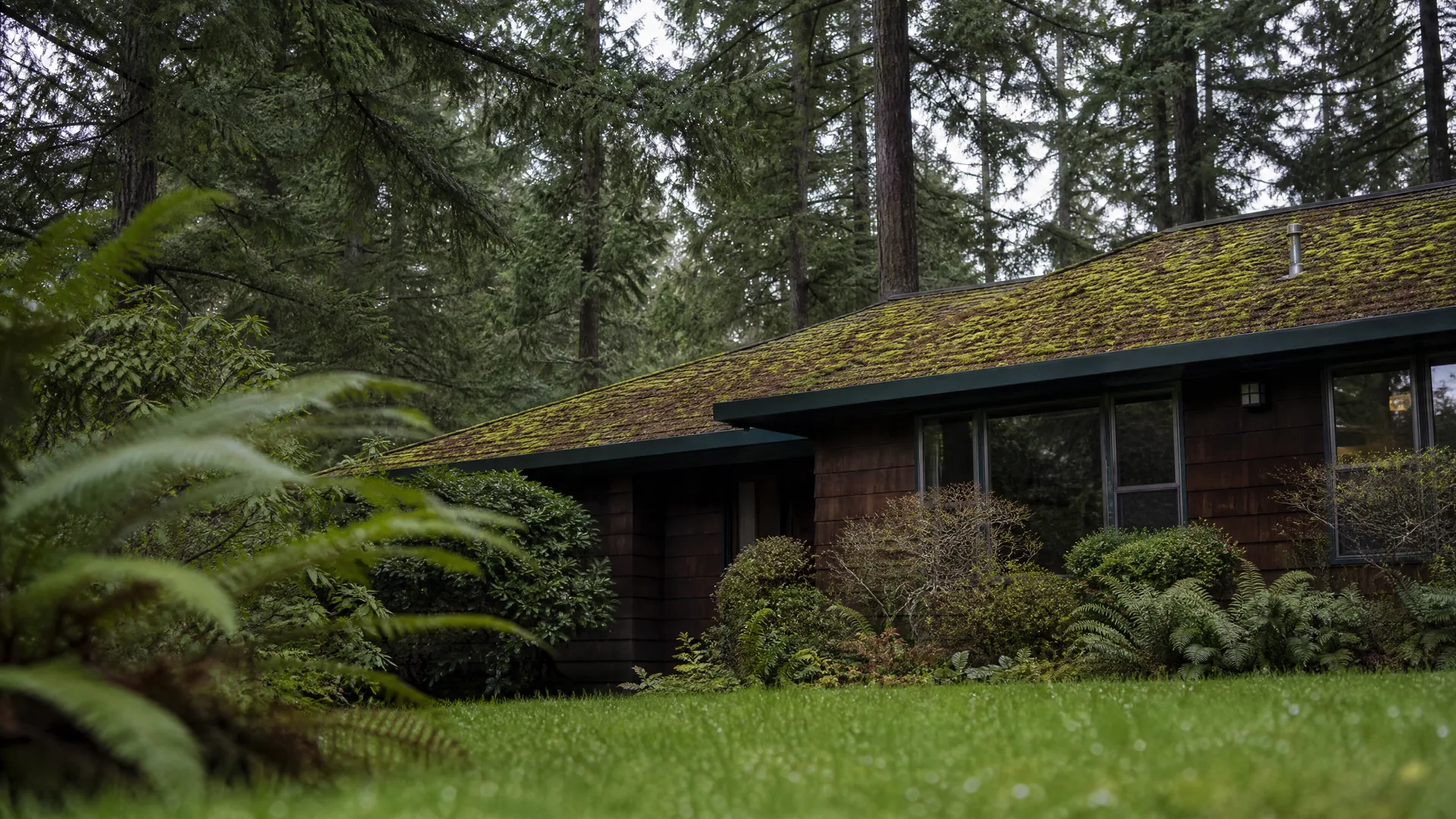




A single-story wood-shingled house with a wide, low moss-covered roof, surrounded by ferns and shrubs and backed by tall conifers, with a mown lawn in the foreground.

Heat Pump Repair in Bremerton, WA

Tell us about the job

Takes about a minute. No obligation.

RepairHeat PumpKitsap County, WA
Step 1 of 2

What ZIP code is the job in?

Half the homes in Kitsap County were built in 1986 or later. If yours is one of them, the heat pump likely isn't that old either, and a repair now is probably not its last one. Mobile homes make up only 5.8% of the housing stock here, so most systems around Bremerton are set up the standard way, in a standard house, which makes diagnosing a problem more straightforward. A heat pump acting up in a newer home is usually dealing with one bad part, not a system on its way out.

10 months
September through June, your system heats
35°F
the average winter night it heats against
74°F
the average summer afternoon it cools against
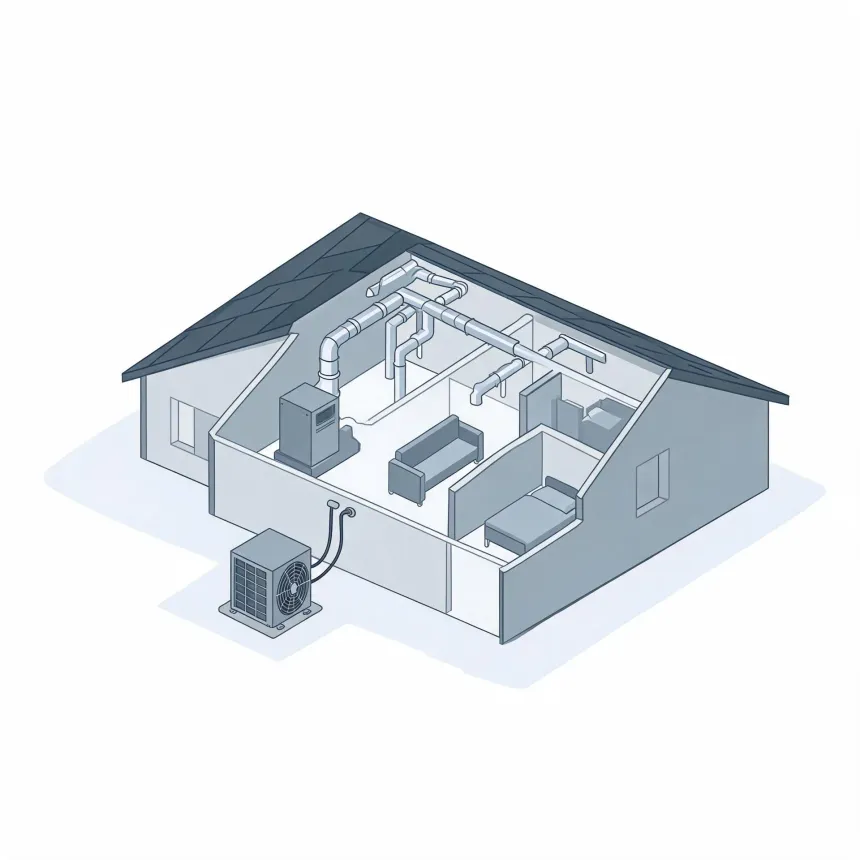
Isometric cutaway illustration of a single-story house showing interior rooms with furniture, an attic duct network connected to a furnace or air handler, and an outdoor condenser unit linked by lines outside the wall.

Winter nights in Kitsap County average 35°F, not the teens or single digits a heat pump deals with elsewhere.

A heat pump that never has to fight real cold stays in better shape, so a repair here usually has a sound machine behind it.

September is when heat turns back on, and when a part that's been failing quietly gets found

Heat runs September through June
Winter nights average 35°F
Power costs 11.9 cents a kWh statewide

That mild winter low matters when you're deciding whether to fix what's in front of you or start pricing a new unit. A compressor or reversing valve that's spent years working against 35°F instead of single digits has had an easier run, so there's a decent chance the rest of the system is fine. Get the actual part named before you decide anything. If the repair is a capacitor, a contactor, or a defrost board, that's a normal fix on a heat pump that has more years left in it. Replacement makes sense when the compressor itself is failing, not before.

Get it fixed, and worry about replacement later

Get the part named and get it fixed. In a house built in 1986 or later, a repair is very likely a repair, not a stopgap before something bigger.

Find a contractor
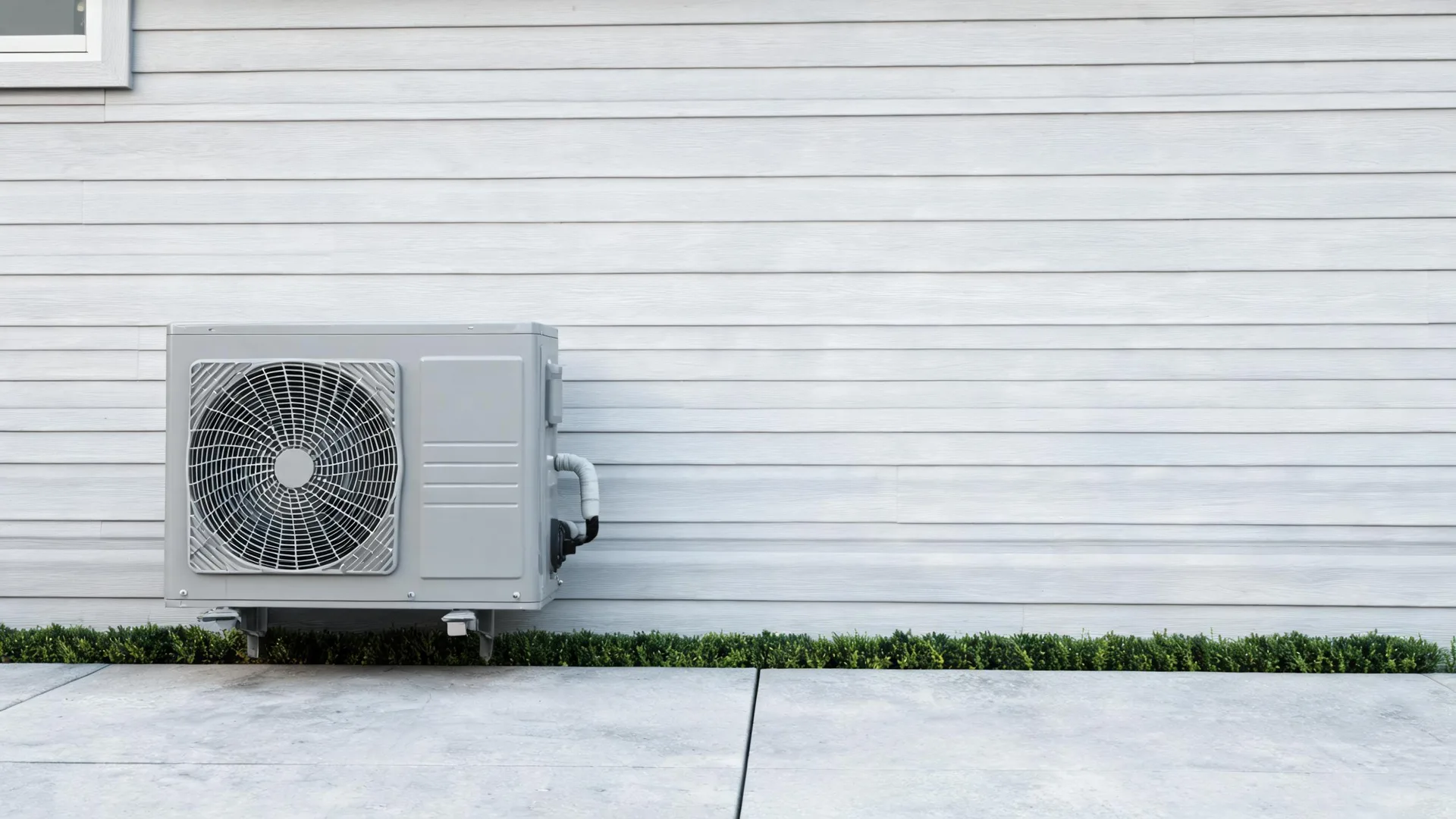
A gray heat pump outdoor unit mounted on a concrete pad next to the stone-accented exterior wall of a house.

The signs show up as sound or comfort, not as a warning light

A heat pump that is working right does not get noticed. Trouble usually shows up as sound first. A clicking that does not lead to startup. A hum with no fan turning. A rattle that was not there before. After that it shows up as comfort. Air from the vents that does not feel warm enough or cool enough. A room that will not hold its temperature. A system that runs and runs without catching up. Some frost on the outdoor unit is normal, it should clear on its own during the defrost cycle. Frost or ice that stays is not normal. Short cycling, where the unit shuts off soon after it starts, puts wear on the compressor every time it happens. None of these point to the same problem every time. All of them are worth having someone look at before the part that is struggling takes another one down with it.

Check the thermostat and the breaker first

Make sure the thermostat is set to heat or cool as needed and the setpoint is actually past room temperature. Then check the breaker panel for the outdoor unit and the air handler. A tripped breaker or a thermostat bumped into the wrong mode gets mistaken for a failed system more often than people expect.
Look at the outdoor unit and the filter, then stop

Clear anything blocking the outdoor unit, leaves, a fence, snow piled against it, and swap the filter if it looks gray or clogged. A dirty filter starves the system of airflow and can cause a lot of what feels like a bigger problem. Past that, leave the panels closed. Anything involving the refrigerant lines or the electrical compartment is not a homeowner job.

Repair versus replacement comes down to one part, not the whole machine. A heat pump is built from separate systems that fail on their own schedules. A capacitor or contactor wears out on its own timeline, completely unrelated to how the compressor inside that same unit is holding up. So the question is never really about the heat pump as a whole, it's about whatever part actually failed. A reversing valve or a defrost board going bad doesn't say anything about the compressor's condition, and the compressor is the expensive part to replace. Age matters less than which part is in front of you. A unit with plenty of good years left can still throw a bad capacitor, and that's a straightforward fix, not a sign of anything bigger. The repair only turns into a replacement conversation when the compressor itself is the problem, since that's the part that's expensive enough and central enough to change the math.

A diagnostic visit starts outside, at the unit itself. A tech pulls the panels and checks the capacitor, the contactor, and the readings off the compressor before touching anything else. Refrigerant pressures get checked with gauges, not guessed at, since a low charge and a failing compressor can look the same from the thermostat. Inside, the air handler gets checked for a blower pulling its full amperage and a coil that isn't iced or caked with dirt. The defrost board and its sensors get tested too, since a board that won't call for defrost gets mistaken for a dying compressor when it isn't one. What takes the time isn't finding the part, it's confirming the fix holds, which means running the system through a full cycle before anyone calls it done.