Heat pump vs furnace in Kitsap County, Washington

Quote Both Systems

Pros who work in Kitsap County

A person's hand in a light blue shirt adjusts a dial on a white wall-mounted thermostat on a dark navy wall, with a living room containing a gray sofa, coffee table and a tool bag in the background.

Tell us about the job

Takes about a minute. No obligation.

New system or replacementKitsap County, WA
Step 1 of 3

What kind of equipment?

Which costs less to run in Kitsap County?

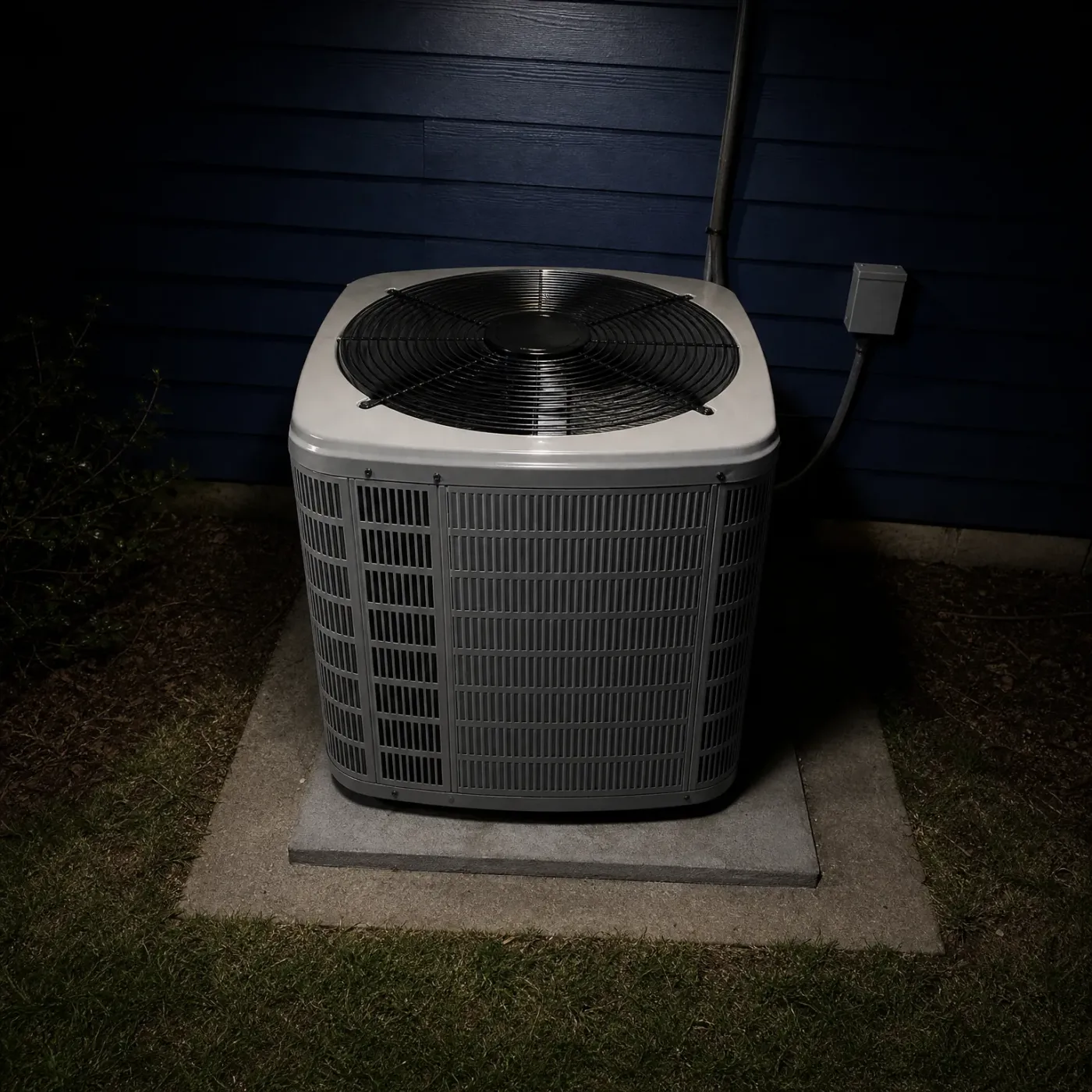
An outdoor air conditioner condenser unit on a concrete pad beside a dark blue horizontal-siding wall at night, with conduit and a small electrical box on the wall and grass surrounding the pad.

Heat pump

To heat your home here$1.59per 100,000 Btu

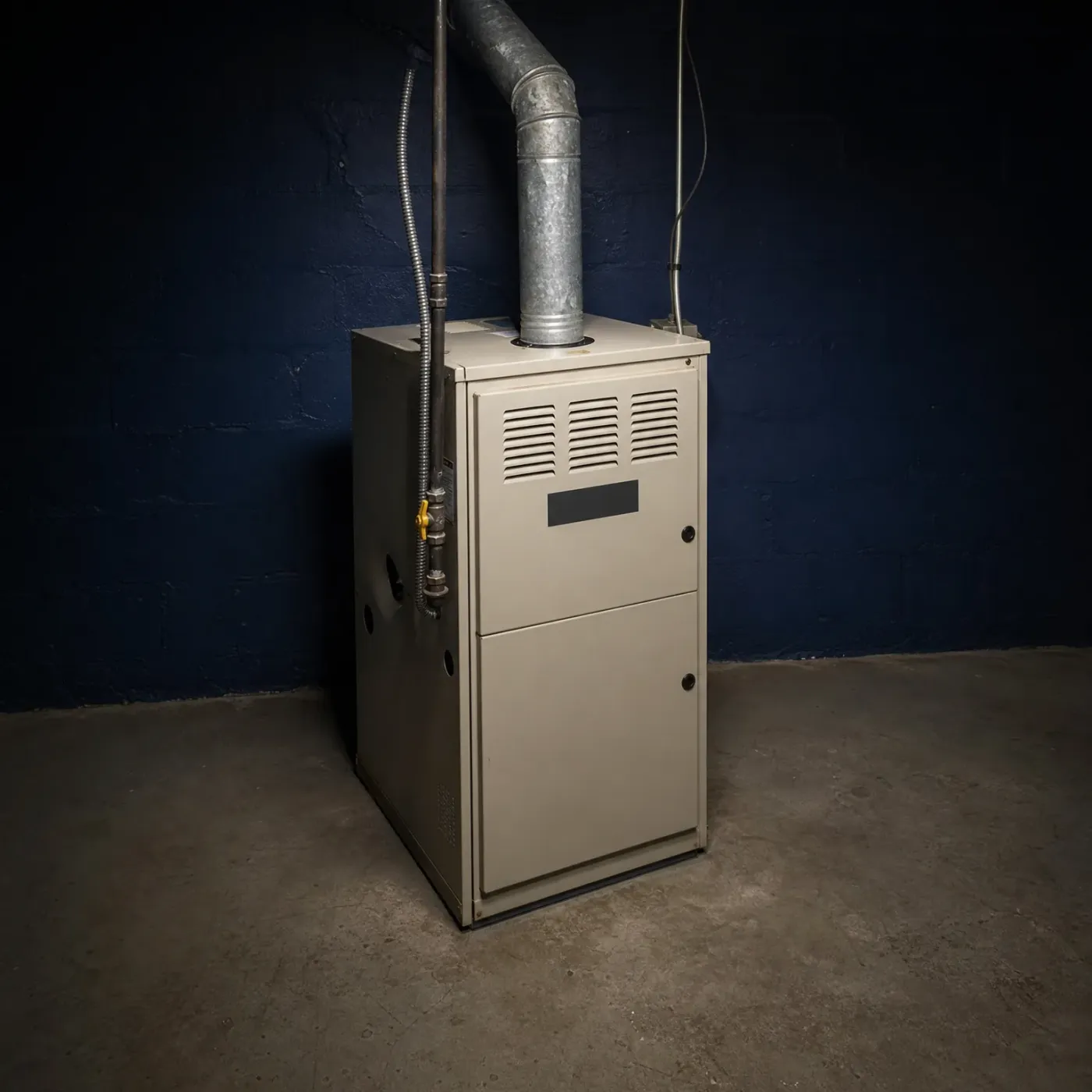
A beige gas furnace cabinet with a louvered upper panel stands on a concrete floor against a dark blue painted block wall, with a galvanized metal flue pipe, flexible conduit, and a gas line running up from it.

Furnace

To heat your home here$1.46per 100,000 Btu

At Washington's gas and electricity prices, a gas furnace makes the same heat as a heat pump for at least 8% less.

Btu stands for British thermal unit, the standard measure of heat energy.

Where does a heat pump shine?

  • Made for mild winters

    Overnight lows in Kitsap County average 35°F through December, January and February. A heat pump still pulls heat from air that mild all winter long, so it never has to fight real cold.

    Covered front porch of a navy clapboard house with white columns and trim, a light blue front door, galvanized planters with evergreens, a pair of brown boots, a wooden rocking chair, and granite steps leading to a paver walkway with patches of snow.
  • Steady, even comfort

    It eases up and down with the weather. There are fewer swings between too warm and too cool.

    A dimly lit living room at night with a navy armchair holding an open book and a knitted throw, a lit table lamp, a stone fireplace with a fire, built-in blue shelving, and a golden retriever sleeping on a light rug.
  • No gas line, nothing burning in the house

    A heat pump runs on electricity alone. Nothing burns inside the house.

    A kitchen with a navy blue island topped by a white marble-look counter holding a black induction cooktop, a light blue kettle and a glass vase of hydrangeas, with white cabinets and a stainless wall oven in the background.

Where does a furnace shine?

  • Proven, simple, easy to get serviced

    Gas furnaces have heated homes for generations. Almost every HVAC tech knows them inside and out.

    A gloved hand holds a white pleated air filter in front of a furnace with white pipes, beside shelving holding folded towels, fabric bins, and woven baskets.
  • Pairs with any central AC

    The ductwork that delivers heat in winter delivers cool air in summer once an AC coil is added.

    A metal floor vent set into a hardwood floor beside a white sheer curtain, white trim and blue wall, with a potted plant in a woven basket at right in sunlight.
  • Fast, strong heat on demand

    A furnace pushes out hot air within minutes of switching on. A cold house warms up fast.

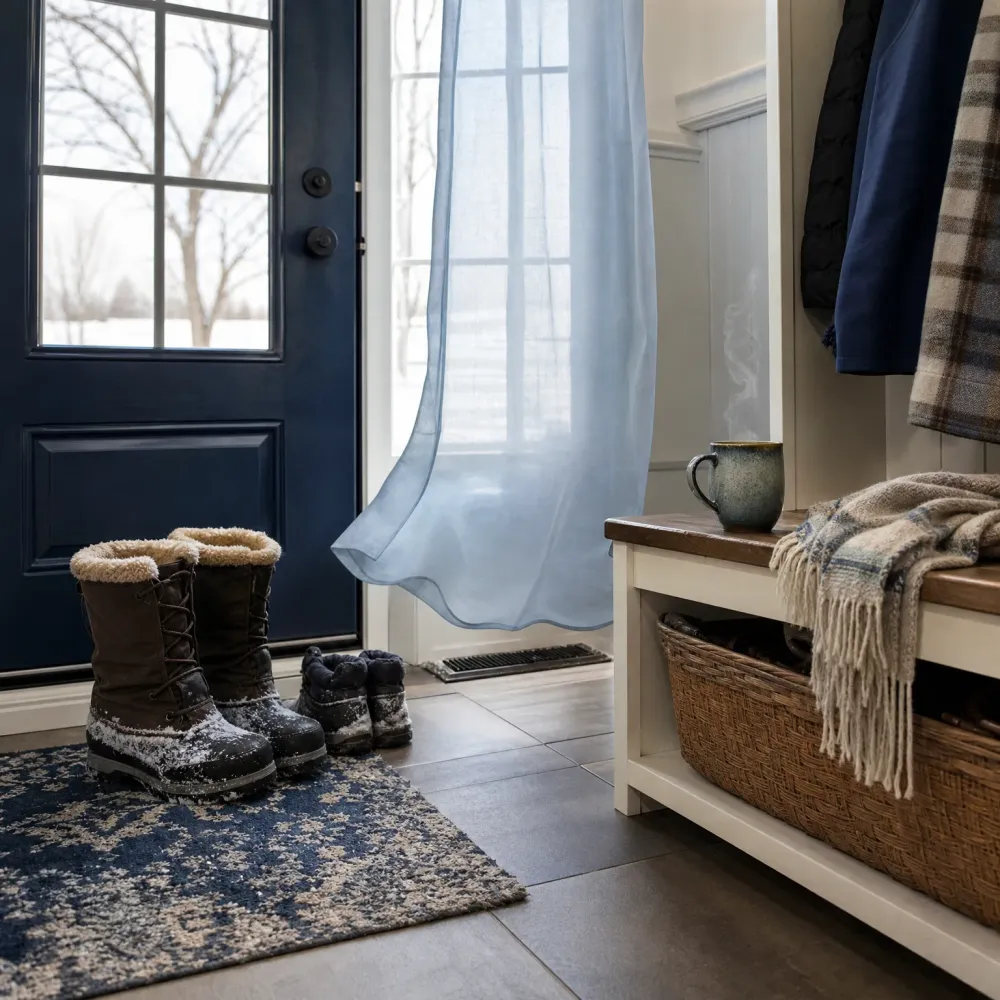
    An entryway with a dark blue door and snowy trees outside, snow-dusted winter boots and smaller boots on a patterned rug, a floor vent, a sheer blue curtain, a white bench with a wicker basket, a fringed plaid throw, a steaming mug, and coats hanging on the wall.

Can a heat pump keep up here

Winter here is mild, not cold. The overnight low averages 35°F through December, January and February, and it only drops to freezing or below on about 35 nights a year, under a quarter of the nights you'll run heat. A heat pump built to the federal minimum is rated for exactly this kind of winter. It will keep your house warm.

The harder question is what it costs to make that heat. At Washington's prices, a heat pump runs $1.59 per 100,000 Btu against $1.46 for a gas furnace. That gap holds across the 10 months heat runs here, September through June, because the gap is in the price of electricity against gas, not in how cold any given night is. A gas furnace makes the same heat for less.

There's no cooling season to weigh against that gap. No month here is warm enough to call for air conditioning, so a heat pump's summer side, the thing that would let it replace a separate AC unit, counts for nothing in Kitsap County. You'd be buying that half of the machine and never using it.
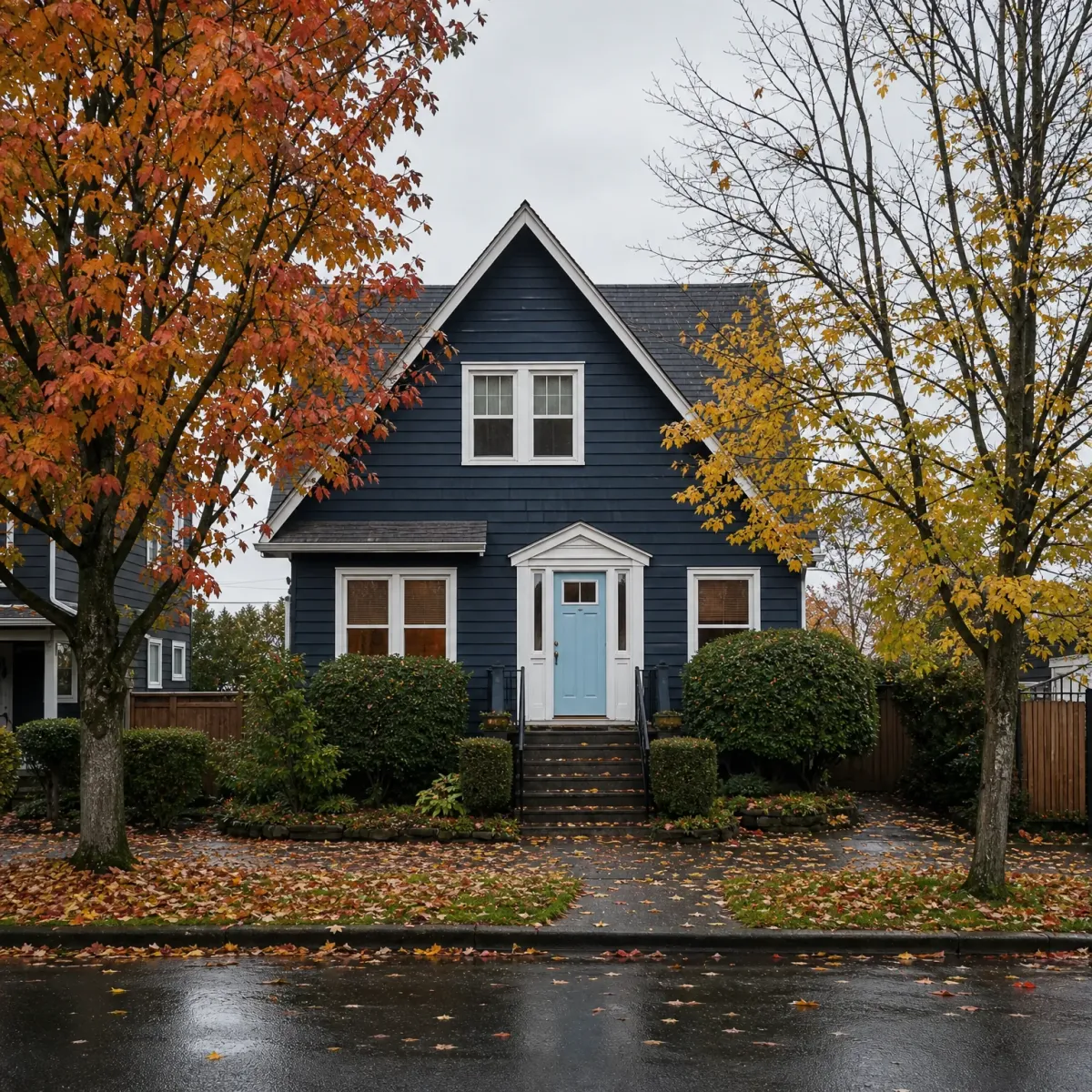
A two-story dark navy clapboard house with a steep gable, white-trimmed windows and a light blue front door above a short flight of steps, flanked by trees with orange and yellow autumn leaves and fallen leaves on the lawn and wet street.

What the furnace needs that the heat pump doesn't

A furnace only heats. For the 2 months here with no heating load, it sits idle, so if you want air conditioning you're adding a separate unit for the furnace to pair with. A heat pump does both jobs with one machine, no AC to add.

A furnace also means a gas line into the house, something burning to make heat. About one in four homes here is already set up that way. Three in five run on electric heat instead, which is the furnace's real competition in this county, not the other way around.

If your house already has the gas line, a furnace is the cheaper machine to run, proven and straightforward to get serviced. If it doesn't, and you'd need to bring gas to the house to get one, that cost isn't in the numbers above, and it's worth weighing against what a heat pump would cost to run instead.

Sources: NOAA nClimDiv · NOAA 1991–2020 seasonal normals · EIA SEDS 2024 · 10 CFR 430.32 · Census ACS 2020–2024

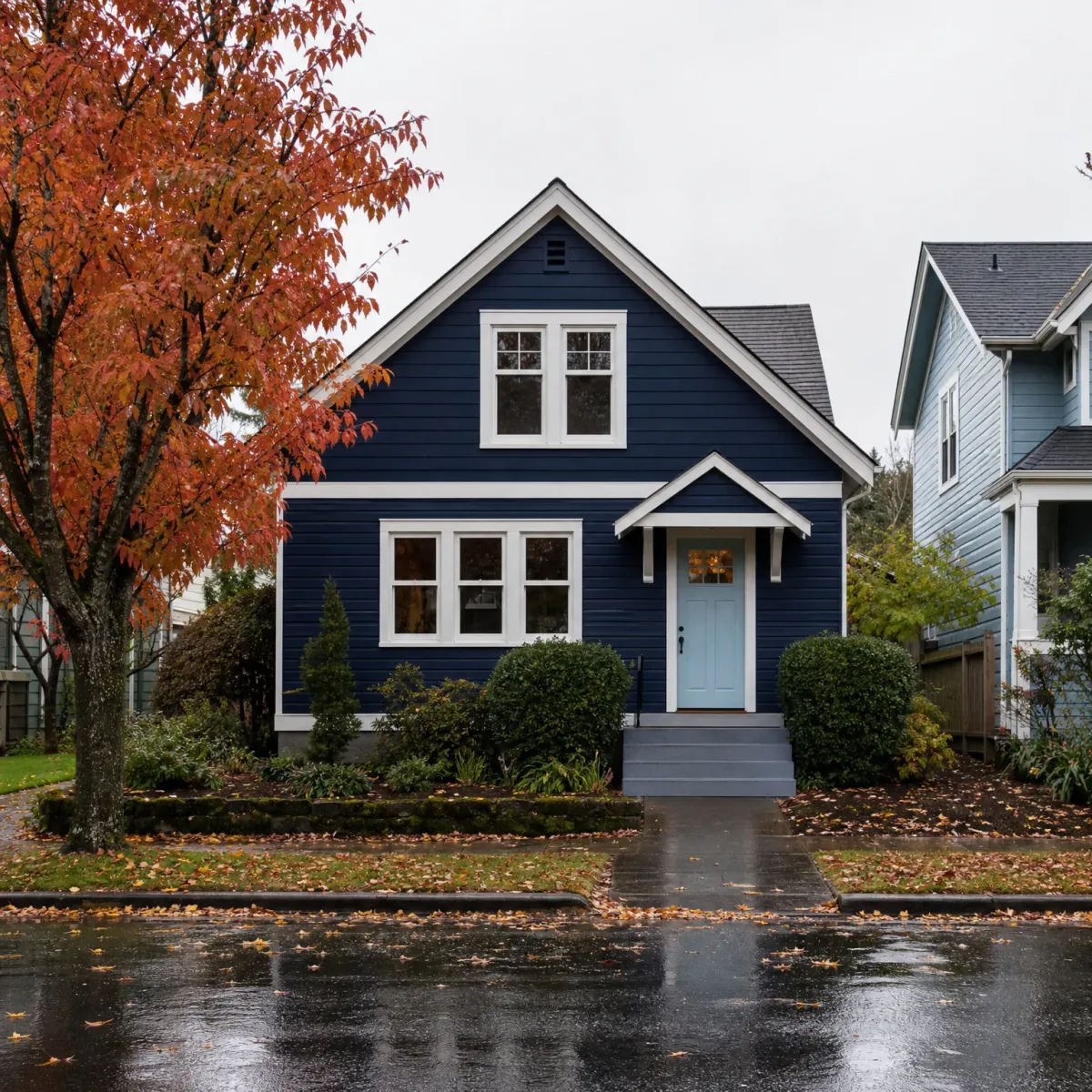
A navy blue two-story house with white trim, a light blue front door under a small gabled porch, and concrete steps, beside a red-leafed tree and a wet street scattered with fallen leaves.

Common questions about heat pumps and furnaces

  • Can I keep my furnace and add a heat pump?

    Yes, and it's a common setup. The heat pump carries the heat most days, since it costs close to what the furnace costs to run, and the furnace kicks in on the 35 or so nights a year here that drop to freezing or below. A contractor can tell you whether your furnace and ductwork can pair with a heat pump as is, or what it would take to make them work together.

  • What if my house doesn't have a gas line?

    A heat pump is the one worth looking at. It runs on electricity, the same as resistance heat, but it moves heat instead of generating it, so it gets more warmth out of every watt. Propane and oil are the other options without a gas line, but both have to be delivered and stored on site, and neither shows up in the running-cost numbers above.

  • Is a heat pump cheaper to run than a furnace in Kitsap County?

    No, a furnace costs less to run here. At Washington's average prices, a gas furnace makes 100,000 Btu of heat for $1.46 and a heat pump makes the same heat for $1.59. That gap holds for a heat pump at its federal minimum rating, with nothing added for the backup heat it leans on when it's coldest.