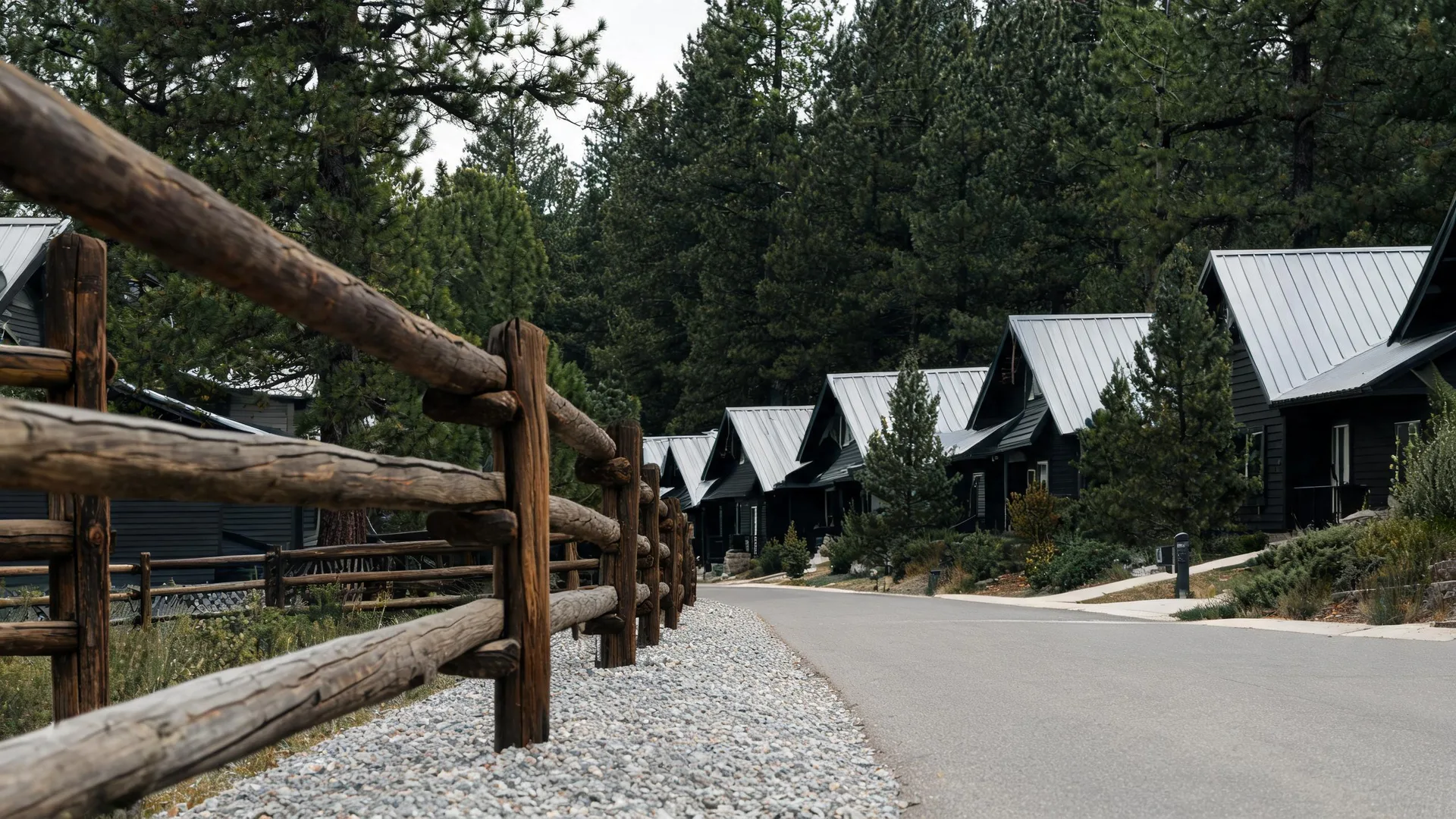

A paved road bordered by a rustic log rail fence and gravel shoulder passes a row of dark-sided cabins with metal gable roofs beneath tall pine trees.

Heat Pump Repair in Clarkston, WA

Tell us about the job

Takes about a minute. No obligation.

RepairHeat PumpAsotin County, WA
Step 1 of 2

What ZIP code is the job in?

August is the month to get a heat pump looked at here. Heat season starts in September and runs through June, ten months of the year leaning on this system. A heat pump that struggles in the first cold week usually had a problem sitting there since spring, something that showed up as a short cycle or weak output nobody chased down. Get that found in August, before the switch to heat, and it gets fixed on your schedule instead of during a cold snap. Wait past August and you're waiting on a fix instead of planning for one.

10 months
September through June, your system heats
2 months
July through August, it cools
26°F
the average winter night it heats against
81°F
the average summer afternoon it cools against
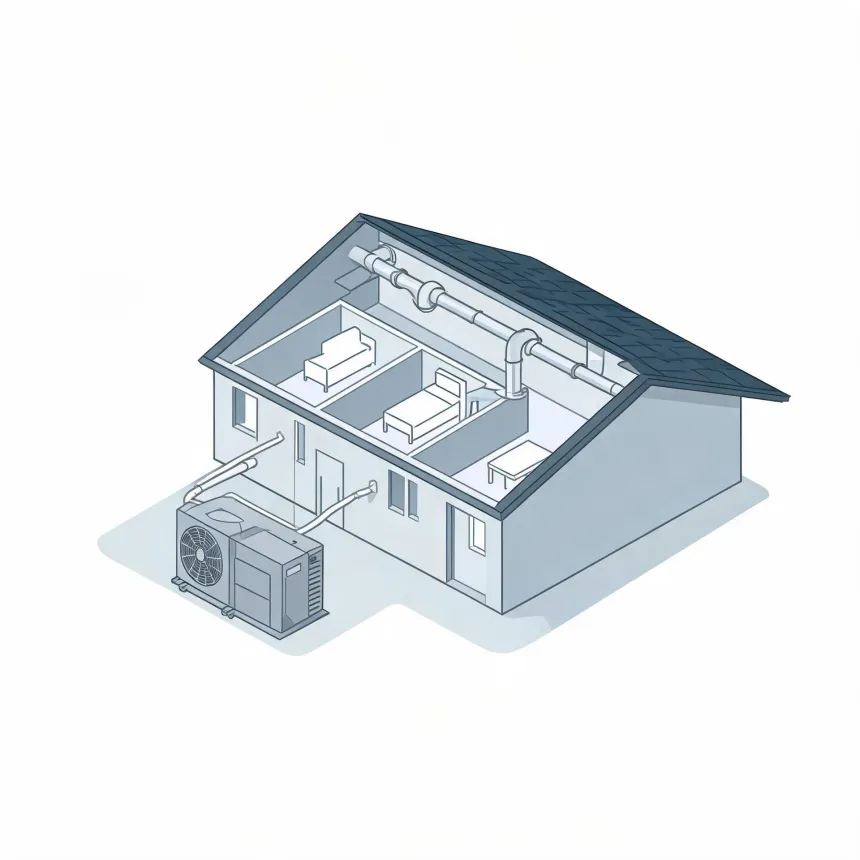
Isometric line illustration of a cutaway single-story house showing interior rooms with furniture and attic ductwork connected to an outdoor condenser unit beside the building.
Your system heats September through June and cools July through August.

NOAA nClimDiv, 1991–2020 normals

Winters here average 26°F overnight, cold but not extreme, and the county sees nowhere near the hail or wind that wears equipment down fast elsewhere.

A heat pump that's been maintained has a real chance of running fine for years yet, so a repair now is usually money well spent.

If a repair tech says it's not worth fixing, ask what specifically is worn out. A heat pump here hasn't taken the beating units in harder climates take, and the cabinet and coil usually show it. A failed capacitor, a bad contactor, a low charge from a slow leak, these are normal wear items on a unit that's otherwise sound. Replacement starts to make sense when the compressor itself is going, or when the system is old enough that parts are hard to find. Short of that, get the actual part named before you decide anything.

Get it looked at early

Problems tend to show up in the first weeks of the season, when the load hits a part that was already weak.

Find a contractor
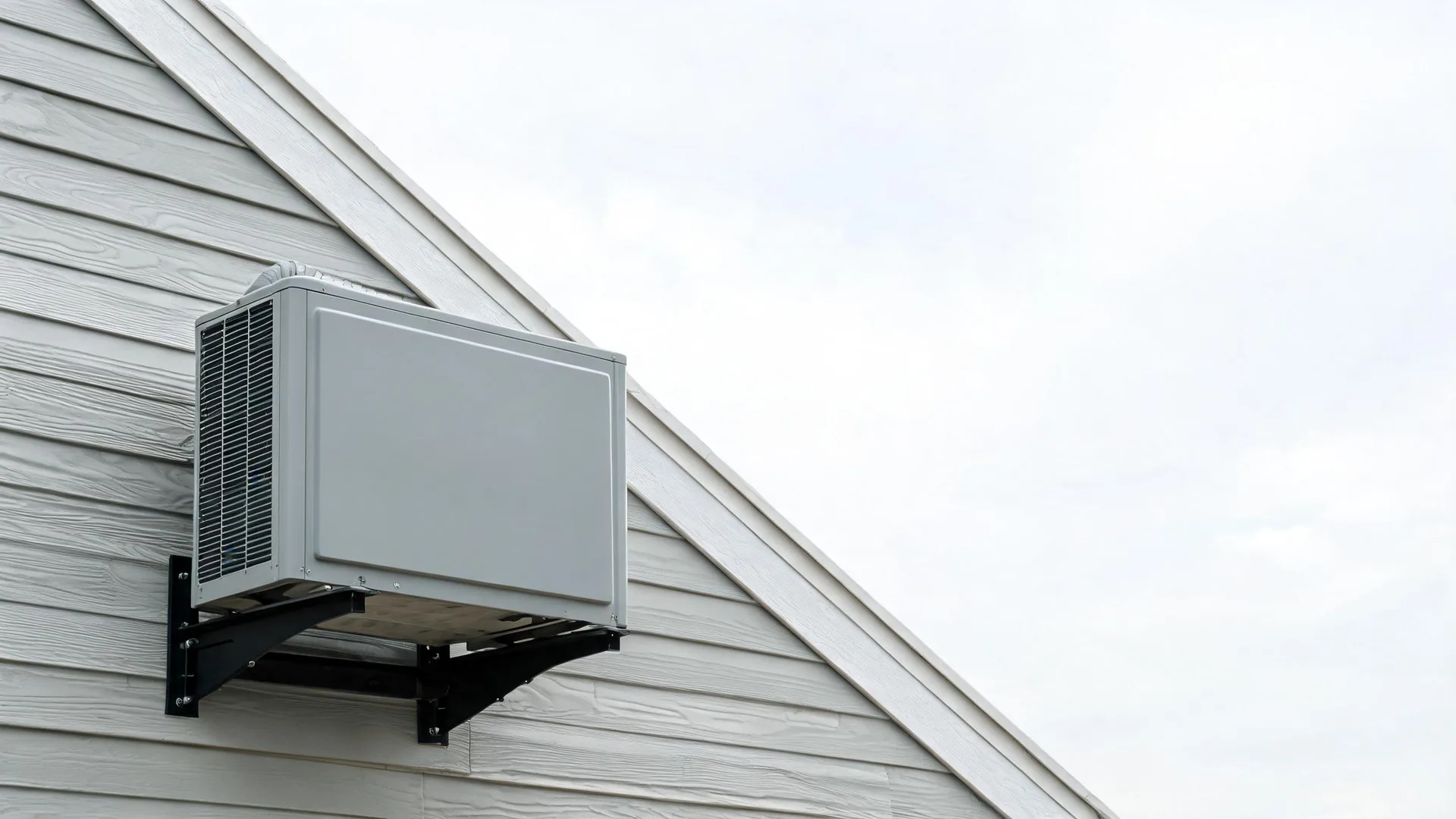
A gray heat pump condenser unit mounted on a concrete pad against the gray lap-siding exterior wall of a house.

Left alone, a small problem becomes a bigger one

A heat pump that's struggling doesn't rest when you leave it alone. It keeps cycling, and every cycle leans harder on whatever part is already weak. A low refrigerant charge gets worse on its own as the leak keeps leaking, and a compressor running low on charge starts to overheat, which shortens its life. A failing capacitor makes the compressor or fan motor draw harder to start each cycle, and that extra draw wears the motor windings down faster than normal use would. A dirty coil makes the system run longer to hit the same temperature, and that extra runtime stresses everything downstream of it. None of these fix themselves by waiting. They tend to go from a once-a-day short cycle to a unit that won't hold temperature at all, and from there to a part failing outright instead of just wearing.

Leaks and worn starting parts cause most calls

A heat pump loses refrigerant through small leaks at fittings, coils or valves. The leak is usually slow, so the system keeps running, but it works harder to put out the same warmth. Capacitors and contactors wear out from the cycling itself. Every start and stop puts a load on them until one day they don't fire.
The reversing valve is unique to a heat pump

A straight air conditioner doesn't have a reversing valve. A heat pump needs one to switch between heating and cooling. When it sticks, the unit can get stuck blowing cold air when you need heat, or stay in heating mode when you need cooling. Worth naming on a repair call, since not every tech who works on air conditioners has run into this part failing.

Most heat pump problems announce themselves before the system quits outright. Weak airflow from the vents is one of the first things people notice, since the system is running but not pushing out enough to keep up. Ice building up on the outdoor unit outside of a defrost cycle is another, and so is a unit that runs constantly without ever seeming to catch up to the thermostat setting. Short cycling, where it kicks on and off every few minutes instead of running a normal stretch, points to an electrical part or a sensor that's already struggling. A hissing or bubbling sound near the lines usually means refrigerant escaping somewhere. Any of these is worth a call. None of them get better by themselves.

Age matters more than any single part on a heat pump. A unit that still has most of its working life ahead is usually worth fixing almost no matter what broke, since the cabinet, coil and compressor still have good years left. A unit near the end of its working life is a different question. A compressor that's starting to go is the one repair that tips the math, since it's the most expensive part on the system and the most central to how it runs. If a tech finds the compressor itself is weak, ask whether the rest of the unit is old enough that another failure is likely to follow soon after. Fixing a worn capacitor or a slow leak on a tired compressor sometimes just buys a little time before the next part goes.