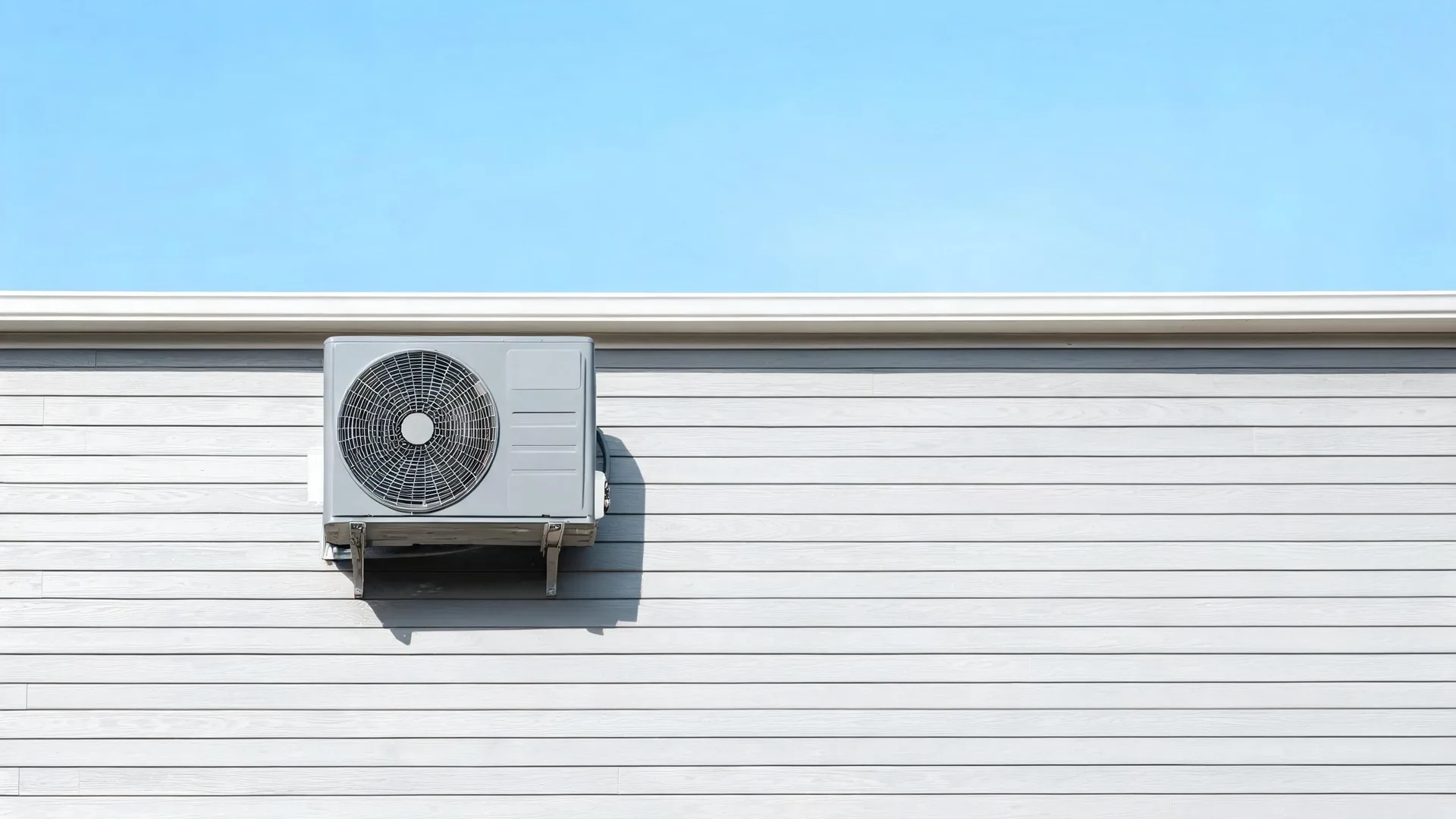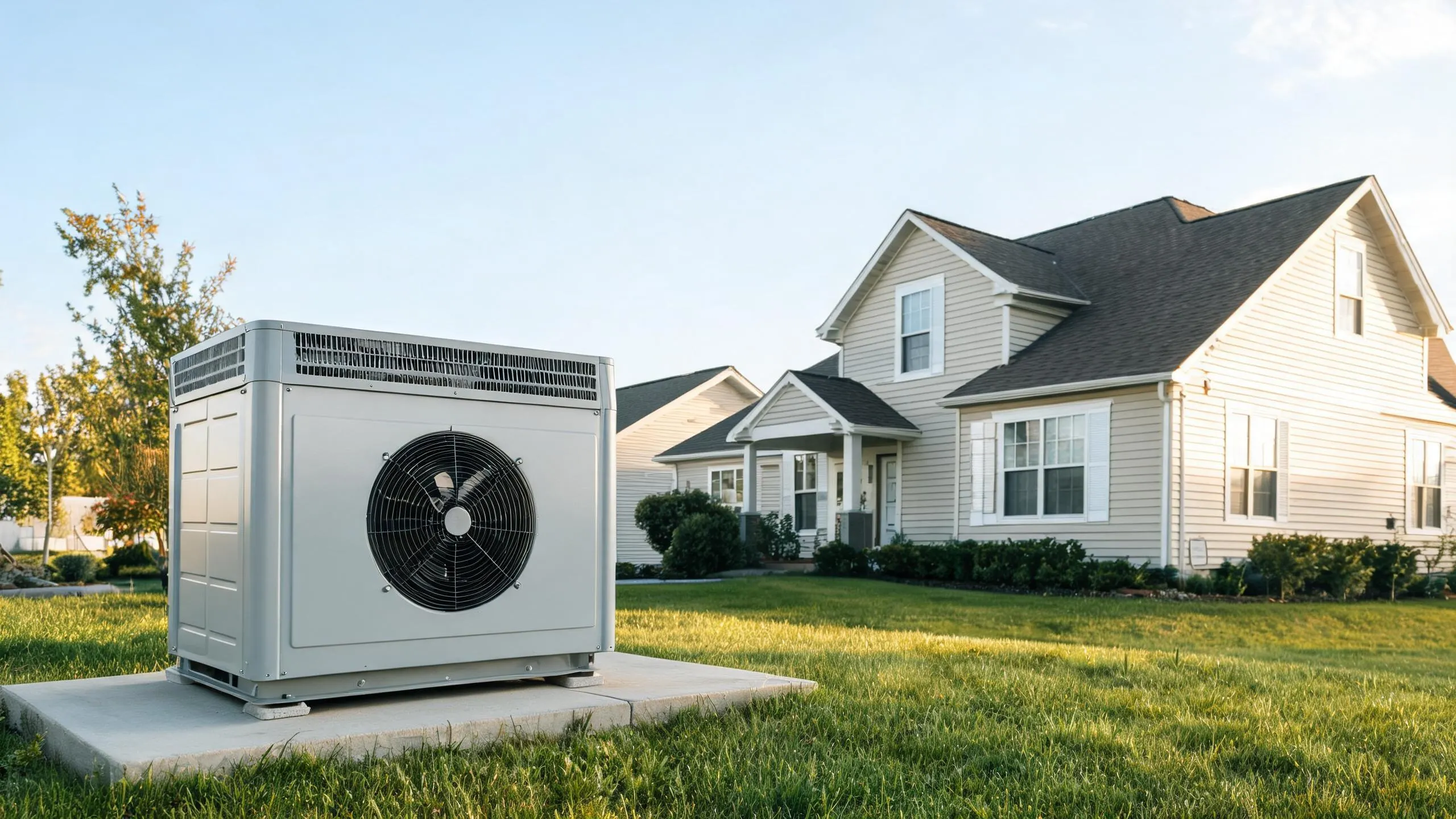
An outdoor heat pump unit mounted on a concrete pad in the front yard of a gray suburban house.

Heat Pump Repair in Longview, WA

Tell us about the job

Takes about a minute. No obligation.

RepairHeat PumpCowlitz County, WA
Step 1 of 2

What ZIP code is the job in?

Winters here are mild, not brutal

Overnight lows in Cowlitz County average 33°F through December, January and February. A heat pump isn't fighting single-digit cold for months at a stretch, so the compressor and coils don't take the beating they would further inland.


That means a broken unit is usually fixable

When a heat pump here stops working right, it's rarely because the climate wore it out. More often it's a part that failed or something that got skipped along the way. That's worth knowing before you decide whether repair makes sense.

10 months
September through June, your system heats
33°F
the average winter night it heats against
74°F
the average summer afternoon it cools against
Isometric illustration of a cutaway house showing interior rooms, ceiling ductwork and an air handler, connected by lines to an outdoor condenser unit on a pad beside the building.

A refrigerant leak doesn't fix itself, and a low charge makes the compressor pull in more heat than it can move.

Keep running it like that and the compressor overheats. A simple fix turns into a compressor replacement.

Ten months of heat, with June through August to get a weak part replaced before September

Heat runs September through June
5 damaging wind events from 2015 to 2024
1 hail event from 2015 to 2024

It's usually worth repairing

It has an easier job here than in most places, so your heat pump is often in decent shape. Repair is usually worth it.

Find a contractor
A gray heat pump outdoor unit mounted on a concrete pad next to a residential house with lap siding and stone accents.

A diagnostic finds the one part, not the whole system

A diagnostic starts outside, not inside. The tech checks refrigerant pressure at the service valves, because that number says more about what's wrong than almost anything else. Low pressure points toward a leak. High pressure on the wrong side points toward a restriction or a failing compressor. From there it's the reversing valve, checked by feel and by temperature, to see if it's actually switching when it's told to. The capacitor and contactor get tested under load, not just looked at, because a capacitor can look fine and still be weak. The defrost board and sensor get checked too, especially if ice was the complaint. None of this takes guesswork. Each test rules something out until what's left is the actual problem, and that's what gets fixed.

Dirty filters cause more failures than any part itself

A clogged filter starves the system of airflow. The indoor coil gets too cold and ices over, and the outdoor coil has to work against that restriction too. A compressor that keeps running against low airflow is being asked to do a job it can't do, and that's how a simple maintenance miss turns into a compressor problem.

Dirty outdoor coils lose their grip on heat

The outdoor unit sits outside pulling heat from the air or giving it up, depending on the season. Dirt, leaves and grass clippings coat the coil fins and cut off that exchange. The system runs longer to do the same job, and parts that would otherwise last years start wearing out on a shorter clock.

Before you call anyone, check the filter. Pull it out and hold it up to a light. If you can't see light through it, that's your airflow problem right there, and it's free to fix. Next, look at the outdoor unit. Clear away leaves, grass clippings or anything piled against the coil fins, and make sure nothing is blocking airflow around it. Check the thermostat batteries if it has any, and make sure it's set to the mode you think it's in. Walk through the vents in the house and confirm none are closed or blocked by furniture. If the outdoor coil is caked in ice and it isn't actively in a defrost cycle, flip the system off at the thermostat and let it thaw before anyone touches it. None of this fixes a bad valve or a refrigerant leak, but it rules out the easy stuff first.

A heat pump rarely fails all at once. Parts wear down one at a time, so the question is usually about one part, not the whole system. A bad capacitor or a worn contactor is a straightforward swap, and the rest of the unit keeps going like nothing happened. A compressor is a different matter. It's the most expensive part in the system, and when it's failing the common advice is to weigh that cost against a new system rather than pour money into the old one. Age matters here too, not because a number on a calendar means anything on its own, but because a unit that's needed a few repairs in the last couple years is telling you something about what's coming next. One failure is a repair. A pattern of them is a conversation about replacement.