

Heat pump vs furnace in Cowlitz County, Washington

Get Matched With a Pro

Install quotes in Cowlitz County

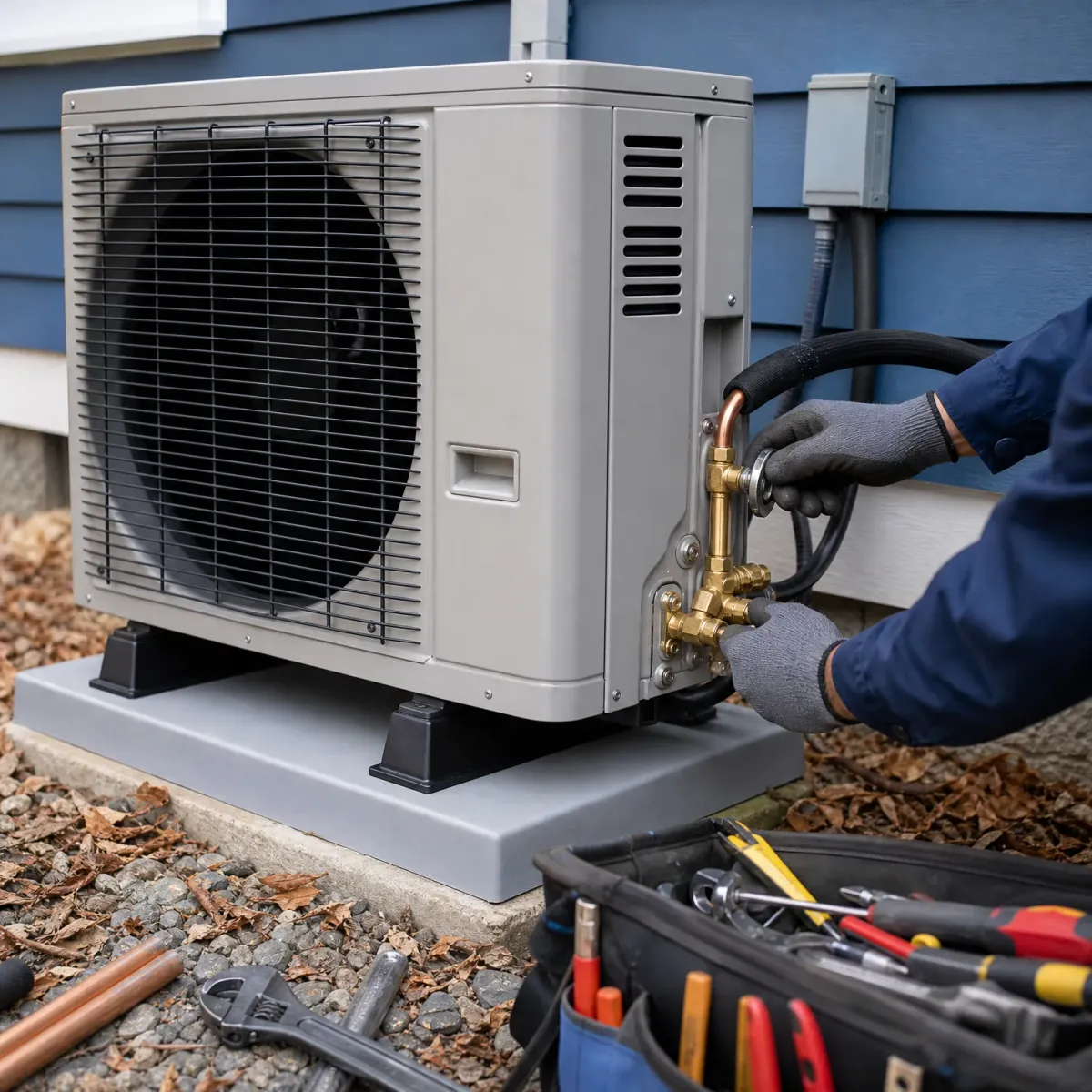
A gloved worker in a dark blue jacket connects refrigerant lines and copper piping at the side of a gray outdoor heat pump unit mounted on a concrete pad beside a blue lap-sided house, with a tool bag and wrench in the foreground.

Tell us about the job

Takes about a minute. No obligation.

New system or replacementCowlitz County, WA
Step 1 of 3

What kind of equipment?

Which costs less to run in Cowlitz County?

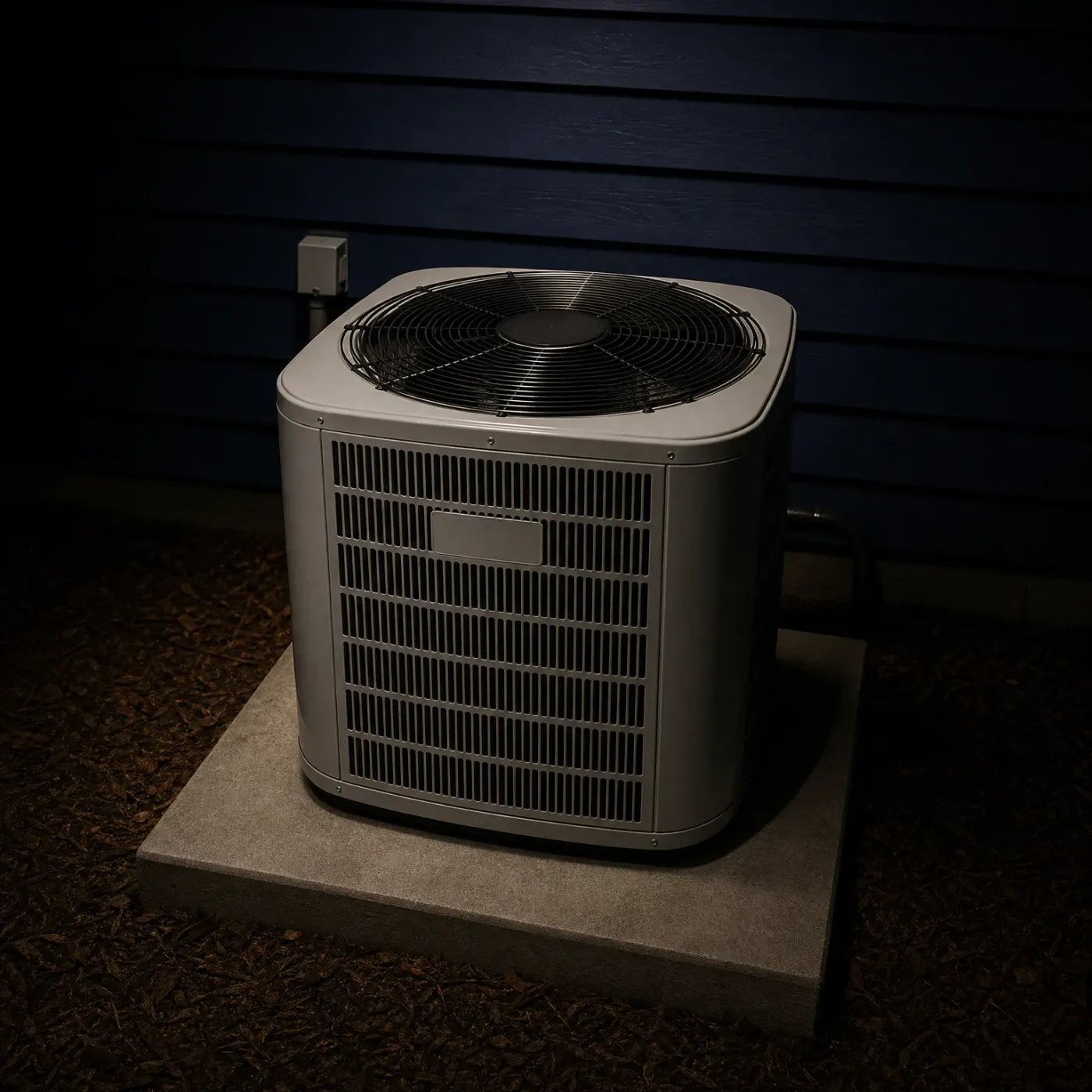
An outdoor air conditioning condenser unit with a top-mounted fan grille sits on a concrete pad surrounded by mulch, against dark horizontal siding at night.

Heat pump

To heat your home here$1.59per 100,000 Btu

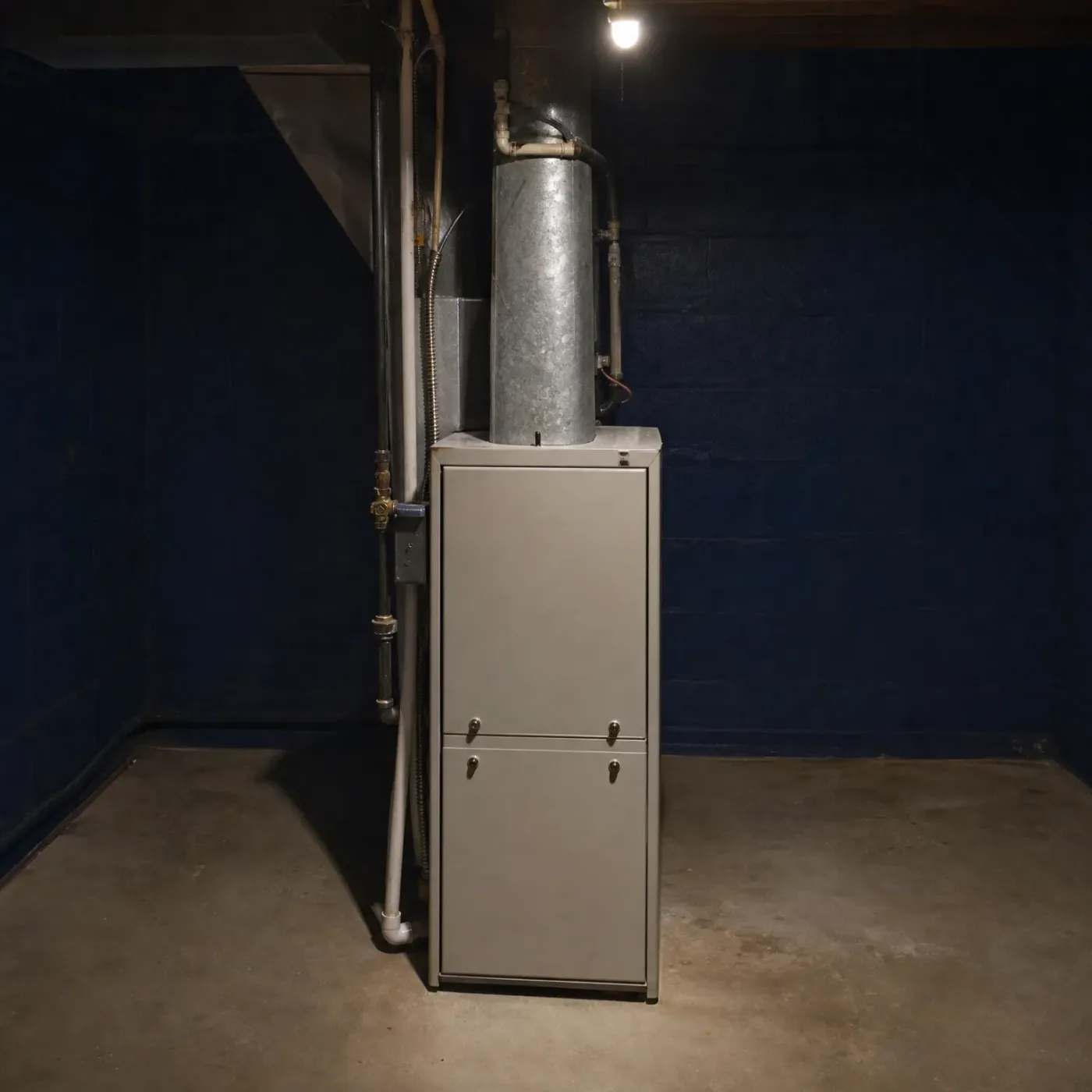
A tall gray furnace cabinet stands on a concrete floor in a basement with dark blue painted block walls, with a galvanized metal flue duct and pipes running up behind it and a bare light bulb overhead.

Furnace

To heat your home here$1.46per 100,000 Btu

At Washington's gas and electricity prices, a gas furnace makes the same heat as a heat pump for at least 8% less.

Btu stands for British thermal unit, the standard measure of heat energy.

Where does a heat pump shine?

  • No gas line, nothing burning in the house

    It moves heat instead of making it from fire. That means no combustion, no flue and no gas bill for heat.

    A kitchen with navy blue cabinets, white marble-look counters and backsplash, a stainless steel kettle on a black cooktop under a range hood, a potted plant, bowl of lemons, wooden utensils and cutting board, and a light blue mug on a foreground island beside a sink.
  • Heats and cools in one system

    Winter and summer are covered by the same outdoor unit. That's one machine to service instead of two.

    Living room with a light blue sectional sofa, linen and navy pillows, a wooden coffee table with potted plants, a large window with a beige roman shade overlooking green trees and flowering shrubs, a navy built-in bookshelf, a blue ceramic table lamp, and a woven chair in the foreground.
  • Steady, even comfort

    Instead of short bursts of heat, it keeps a gentle, steady output going. The house stays at one comfortable temperature.

    A light-colored dog sleeps on a woven rug in a dimly lit living room with a navy armchair holding an open book and a knit blanket, a lit floor lamp, built-in shelves, and a window showing snow-covered trees at dusk.

Where does a furnace shine?

  • Fast, strong heat on demand

    The air coming from the vents feels genuinely hot. That's welcome on a freezing morning.

    An entryway with a windowed door showing snow outside, sheer curtain, winter boots on tile, a jute runner, and a wooden bench with a blue blanket, pillow, and mug beneath hanging coats and a bag.
  • Pairs with any central AC

    A furnace's blower and ducts carry cooled air too. Adding central AC uses the same system.

    A metal floor vent set into hardwood flooring near a window with sheer leaf-patterned curtains, with sunlight casting leaf shadows and a gray rug at lower right.
  • Proven, simple, easy to get serviced

    Gas furnaces have heated homes for generations. Almost every HVAC tech knows them inside and out.

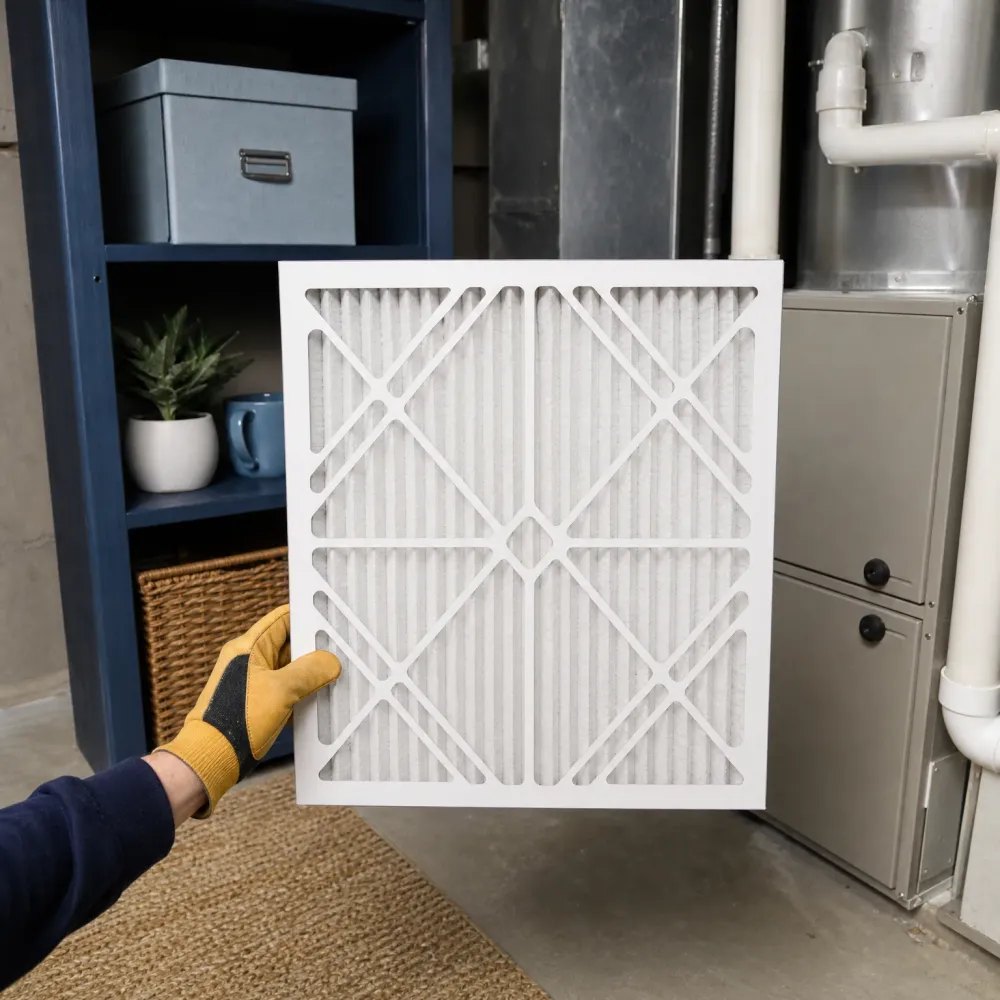
    A gloved hand holds a square pleated air filter in front of a furnace in a basement, with a shelving unit, potted plant, and woven basket in the background.

What the cold actually does to a heat pump here

The heat runs ten months a year in Cowlitz County, September through June, and the overnight low averages 33°F in December and January. That one number matters more than any other in this decision. A standard heat pump starts losing ground below 40°F and often needs backup heat below about 35°F. Your average winter night here sits below both marks.

About 50 nights a year dip to freezing or below, under a quarter of the nights the heat is running. That is not rare cold. That is a regular part of a normal winter here, and it is exactly the range where a standard heat pump stops keeping up with its own rating. On the other hand, almost none of those nights go further than that. Fewer than one night a year reaches 0°F, and in field tests of cold-climate heat pumps, backup heat barely ran at all above 0°F. The cold here is frequent but shallow. It leans on a heat pump often, but never asks much of it at once.

That distinction is what separates a standard heat pump from a cold-climate one in this county. A standard model built to the federal minimum will reach for backup heat on a normal January night, not just a rare one. A unit carrying the ENERGY STAR Cold Climate mark is tested to hold at least 70 percent of its heating capacity at 5°F, well below anything this county sees on an average night. If a heat pump is the plan here, that rating is what makes the difference between a machine that struggles through a typical winter and one built for it.
A navy blue house front with a light blue trimmed covered porch, a navy paneled door with six glass panes, a black wall lantern, a potted fern, a wooden bench, and dark stained wooden steps flanked by ferns.

What it costs to run, and what it means for summer

Run the numbers at Washington's own prices and a gas furnace comes out cheaper to operate, $1.46 against $1.59 per 100,000 Btu of heat. That gap is built on generous assumptions for the heat pump too: it assumes the federal minimum efficiency rating holds all season and adds nothing for the backup heat a standard unit will lean on during those 50 freezing nights. The real gap, for a standard heat pump, runs wider than the sticker numbers show.

Gas service is also the harder thing to arrange here. Only 5.7% of homes in this county heat with utility gas, against 86.1% on electricity. A heat pump runs on the wiring almost every house already has. A furnace means gas piped to the house, and for most homes here that line does not already exist.

There is no cooling season in Cowlitz County to weigh against any of this. A furnace only heats, so for two months a year it does nothing while a heat pump run the other direction would be cooling the house. If central air is part of the plan regardless, a heat pump does both jobs on one system instead of two, which is worth something on its own even before the winter math.

Sources: NOAA nClimDiv · NOAA 1991–2020 seasonal normals · PNNL Building America guide · PNNL-37127 field study · ENERGY STAR product criteria · EIA SEDS 2024 · 10 CFR 430.32 · Census ACS 2020–2024

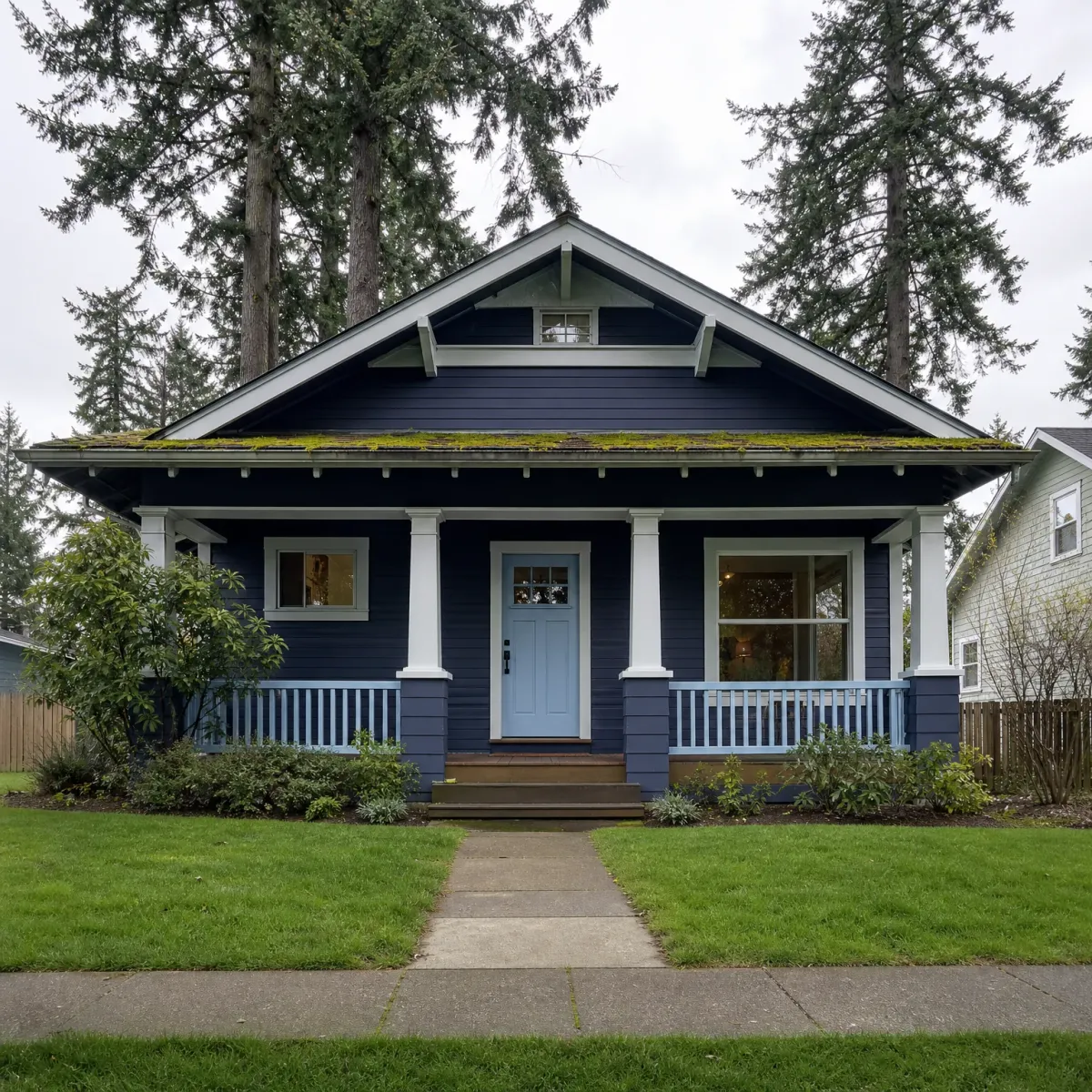
A single-story navy blue craftsman bungalow with white columns, a light blue front door, a moss-covered porch roof, and a concrete walkway crossing a mowed lawn, with tall conifers behind it under an overcast sky.

Common questions about heat pumps and furnaces

  • Can a heat pump heat a house through a Washington winter?

    Yes. Nothing about this county's winters is extreme: the average overnight low is 33°F, and nights at or below freezing make up under a quarter of the heating season. Below about 35°F a standard heat pump often leans on backup heat, and below 40°F its output falls short of its rating, but a cold climate model is built to keep most of its capacity much further down than that.

  • Do I need backup heat with a heat pump here?

    With a standard heat pump, plan on it. The overnight low here averages 33°F in December, January and February, under both the 40°F mark where output starts falling short and the 35°F mark where backup heat often kicks in. A cold climate heat pump holds onto more of its capacity at low temperatures and needs backup far less, so the answer depends on which one goes in.

  • What if my house doesn't have a gas line?

    Then a heat pump is the one worth looking at first, since nine out of ten homes here already heat with electricity. Propane and oil furnaces work too, but you're buying fuel deliveries instead of pulling from a line already run to the house. A heat pump also gives you air conditioning in the same system, for whatever that's worth where summers barely ask for it.

  • Is a heat pump cheaper to run than a furnace in Cowlitz County?

    No, a furnace runs a bit cheaper here, $1.46 against $1.59 per 100,000 Btu of heat. That's at Washington's average gas and electricity prices, with both machines built to the federal minimum. The gap is real but not large, about 8%.