




An outdoor heat pump unit mounted on a concrete pad in front of a single-story suburban house with beige siding.

Heat Pump Repair in Vancouver, WA

Tell us about the job

Takes about a minute. No obligation.

RepairHeat PumpClark County, WA
Step 1 of 2

What ZIP code is the job in?

Half the homes in Clark County were built in 1993 or later. If yours is one of them, your heat pump is probably a lot younger than the house itself, since these units get replaced more than once over a home's life. A newer heat pump that's acting up is usually dealing with one bad part, not a system giving out. Worth getting it looked at before anyone talks about replacing it.

9 months
October through June, your system heats
1 months
August through August, it cools
35°F
the average winter night it heats against
77°F
the average summer afternoon it cools against
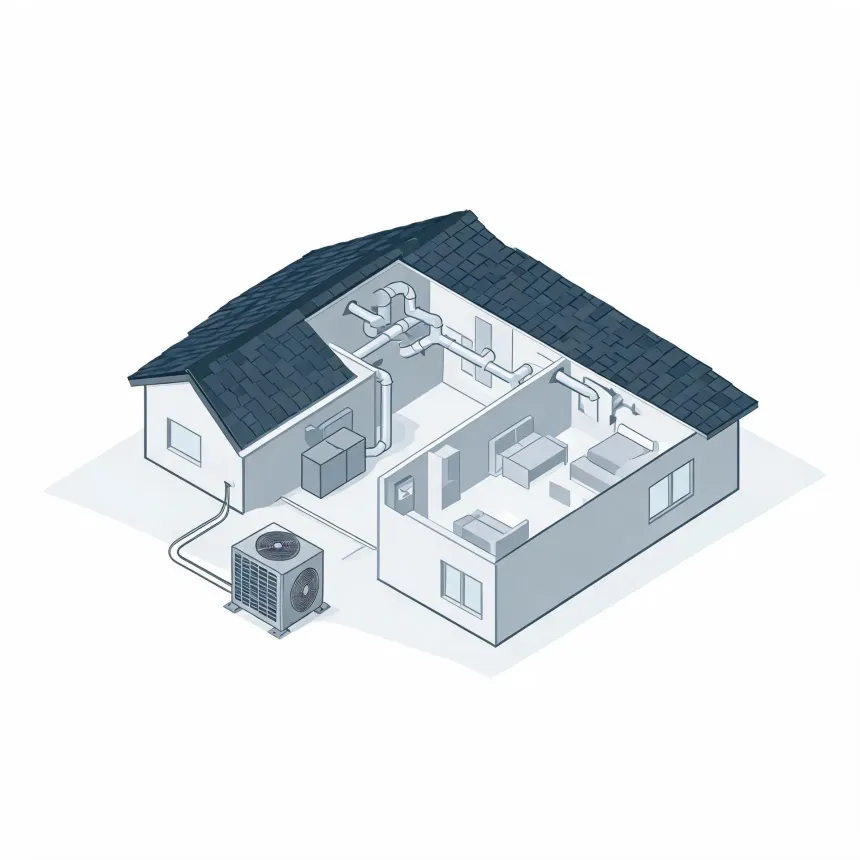
Isometric cutaway illustration of a single-story house showing interior rooms, ceiling ductwork, an indoor air handler, and an outdoor condenser unit connected by lines on the ground.
Your system heats October through June and cools August through August.

NOAA nClimDiv, 1991–2020 normals

Winter lows here average 35°F, and Clark County has seen six winter storms in a decade of records.

Your heat pump isn't fighting hard freezes most winters, so a breakdown is more likely one worn part than a system that's been pushed too hard.

One month of cooling, nine of heat, and June is when this system is most likely to slip

Cooling runs August through August
Heat runs October through June
Climate zone 4C

So if your heat pump is acting up now, get it diagnosed before you write it off. A system that hasn't been fighting hard freezes for years usually isn't worn out all over. More often it's a contactor, a capacitor, or a low charge, something a tech can find and replace without touching the rest of the unit. That holds whether the unit is old or fairly new. Age alone doesn't tell you much. What's actually wrong with it does.

Find out what's wrong before you decide what it's worth

A bad part is worth fixing on its own merits, not weighed against how old the house is. Get the diagnosis first and let that tell you what the repair actually involves.

Find a contractor
A residential heat pump outdoor unit mounted on a concrete pad next to a house with gray vinyl siding.

Some of these get worse the longer the system keeps running

A refrigerant leak is the clearest example. Run the system low on charge and the compressor has to work harder to move what little refrigerant is left, which raises its operating temperature. Compressors are built to handle heat, not to run hot on every single cycle for days or weeks on end. Ice is the other one. A coil that's not defrosting right builds a thicker layer each cycle it runs, and that ice blocks airflow, which makes the system run longer to satisfy the thermostat, which gives the ice more time to build. Left alone, that cycle can push liquid refrigerant back toward the compressor, and a compressor isn't built to compress liquid. A failing contactor is similar in a smaller way. One that's pitted and arcing gets worse with every cycle, not better, until it welds shut or stops closing at all. None of these fix themselves by running longer. They just move further along.

Check the thermostat first

Make sure it's set to heat and the set point is above room temperature. Check the batteries if it uses them, and check that any breaker or switch feeding it hasn't tripped. A thermostat stuck on the wrong mode or dead can look exactly like a failed heat pump.
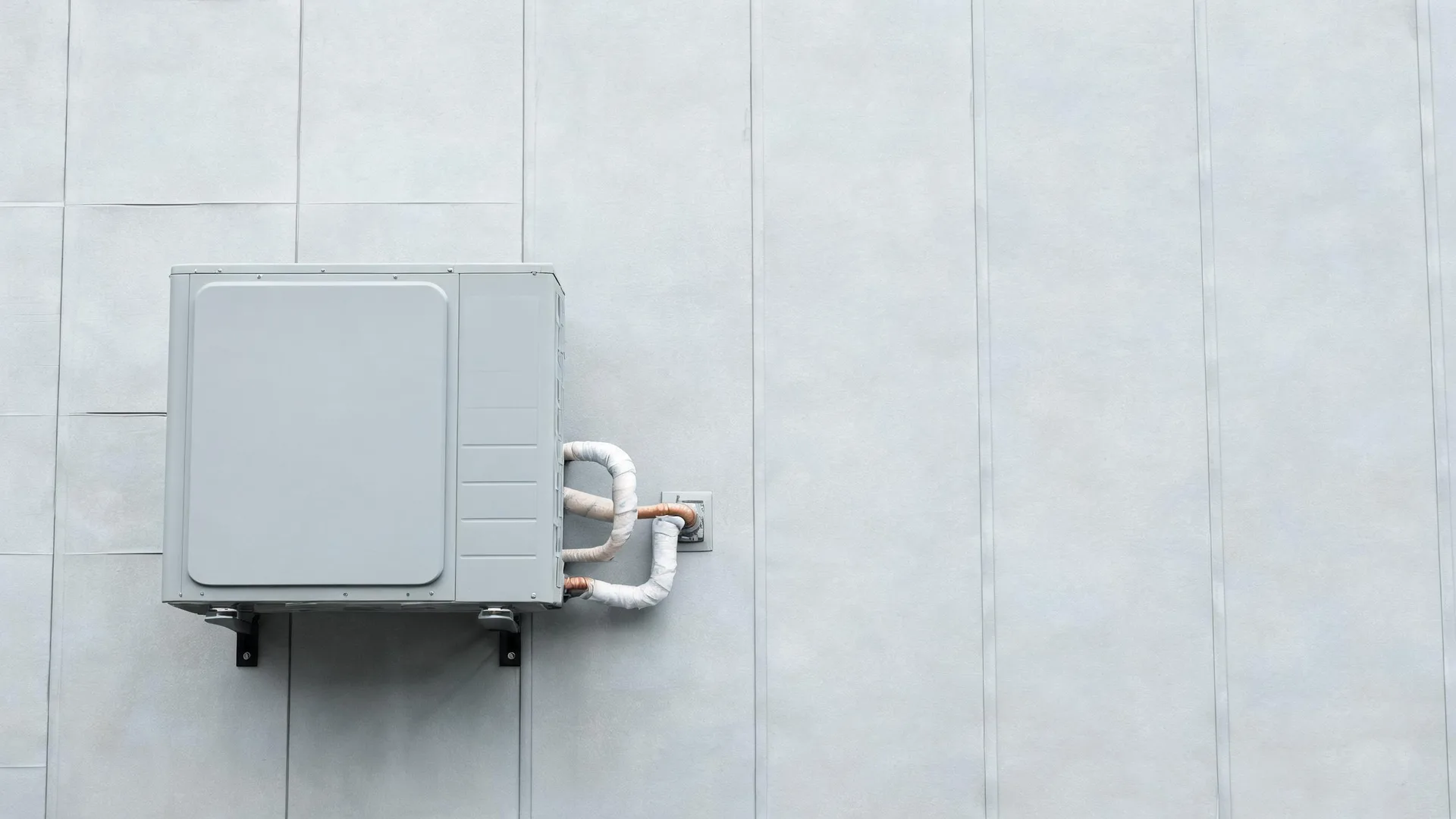
Look at the outdoor unit

Walk outside and see if the outdoor coil is caked in ice or buried in leaves and debris. Clear away anything blocking airflow into the sides of the unit. A coil clogged with ice beyond a thin frost layer, or a fan that isn't spinning at all, is worth mentioning to the tech when they arrive.

A heat pump that's struggling usually tells you in how it runs, not just whether it runs. Short cycling, where it kicks on and off every few minutes instead of settling into a steady run, points to a control or sensor issue rather than the compressor itself. Air blowing from the vents that feels barely warm, or barely cool, often means the system is stuck trying to do its job with a low charge or a failing reversing valve. A hissing or bubbling sound near the outdoor unit is worth paying attention to, since refrigerant lines aren't supposed to make noise. So is a unit that runs constantly without ever satisfying the thermostat. Ice building up on the outdoor coil beyond a light frost, especially outside of a normal defrost cycle, means something in that process isn't working right.

Most of the time a heat pump is worth fixing. It's a handful of parts, a compressor, a reversing valve, a couple of motors and controls, and most failures hit one of those while the rest keep working fine. Replacement makes more sense when a tech finds the compressor itself is failing, or when the refrigerant leak isn't a single bad fitting but corrosion spreading through the coil. A system that keeps coming back with a different part failing every year is telling you something the next repair can't fix. Short of that, one bad part is just one bad part, and swapping it is the whole job.