




What winter here actually asks of a heat pump
Your furnace or heat pump here runs nine months a year, October through June, longer than almost anything else in the house. That alone makes this the real decision, not the one month of AC in August.
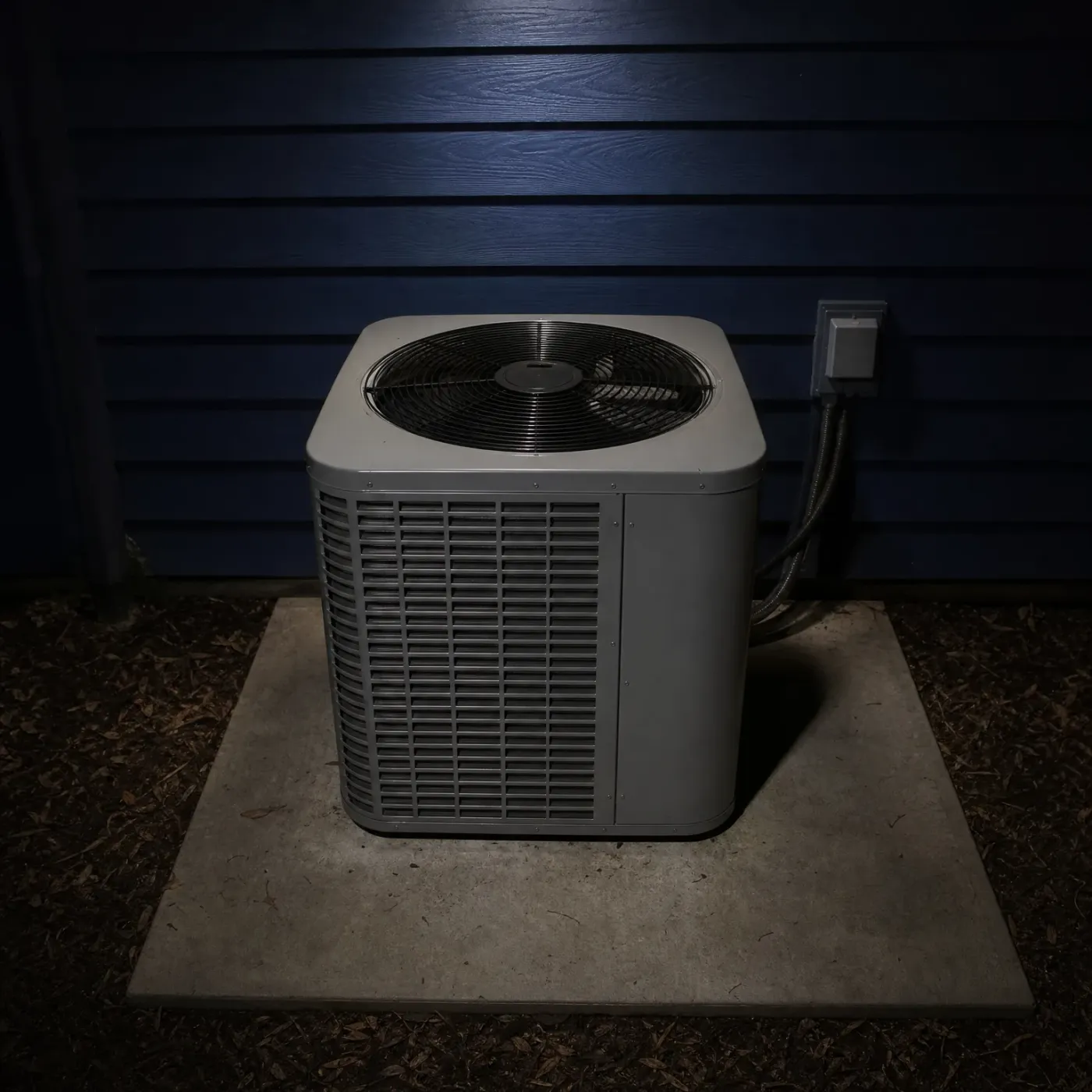
A standard heat pump starts falling short of its rated output below 40°F, and below about 35°F it often leans on backup heat to keep up. The average overnight low here in December, January and February is 35°F. That is not a cold snap, that is the average night. So a standard heat pump in Clark County is working below its best range most winter nights, not on the odd bad one.
It is not extreme cold. About 50 nights a year dip to freezing or below, under a quarter of the nights heat runs here, and almost none of them reach 0°F. This is a place of steady chill, not hard freezes. That matters because a heat pump's weak spot is moderate cold held for a long time, which is exactly what this county has nine months of.
An ENERGY STAR Cold Climate heat pump is built for this. To earn that label it has to hold at least 70 percent of its 47°F heating capacity and still produce 1.75 units of heat per unit of electricity at 5°F, verified by outside testing, which is well below anything Clark County sees on an average night. Field tests of these units found backup heat covering only a small share of the load between 0°F and 35°F, and the units running on backup alone was rare even above 0°F. A standard heat pump was not built for a 35°F average low. A cold climate one was tested for worse than that.