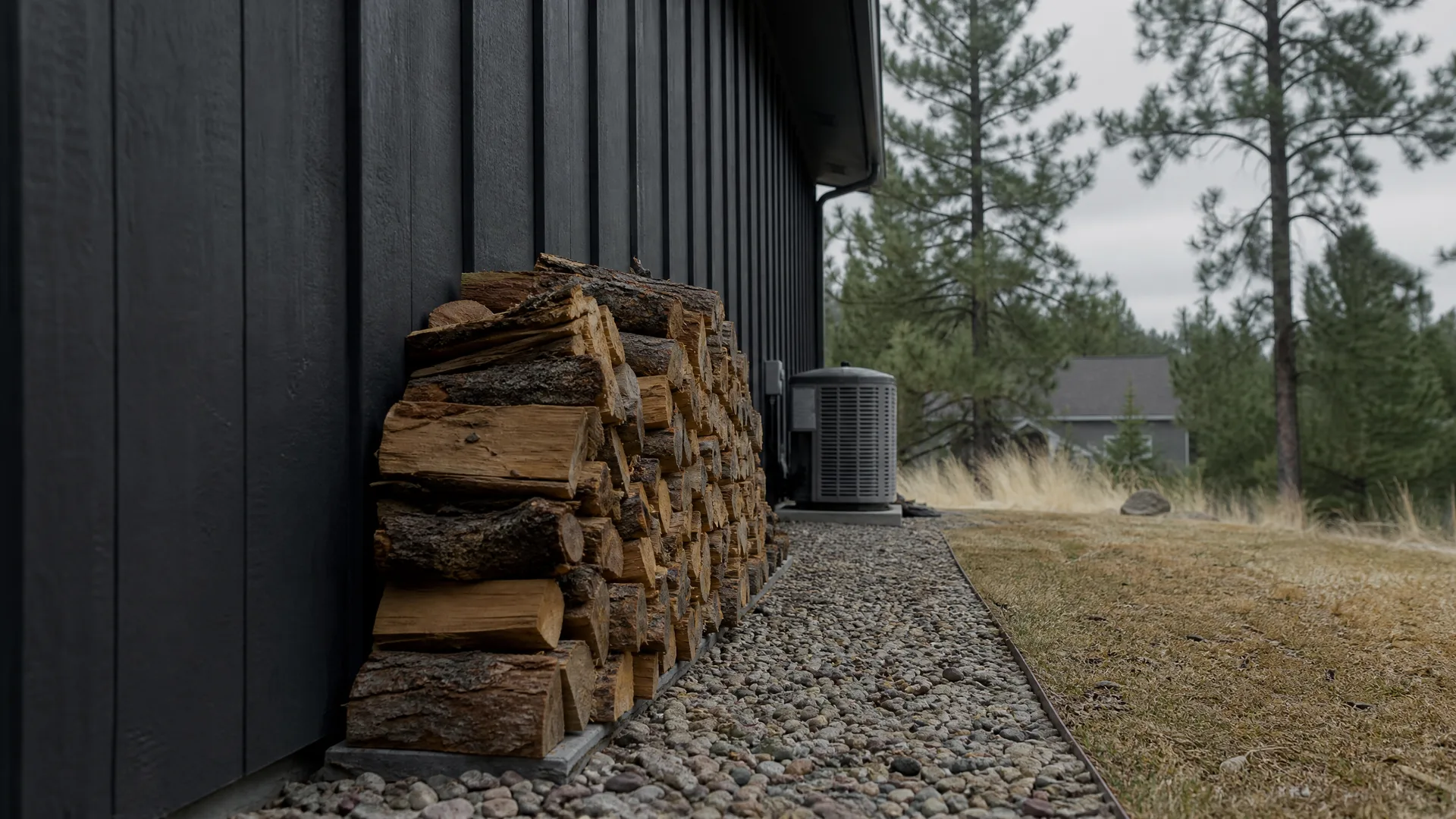





Split firewood stacked against the dark vertical board siding of a house, beside a gravel strip, an outdoor air conditioning unit, dry grass and pine trees.

Heat Pump Repair in Wenatchee, WA

Tell us about the job

Takes about a minute. No obligation.

RepairHeat PumpChelan County, WA
Step 1 of 2

What ZIP code is the job in?

Half the homes in Chelan County were built in 1983 or later, which puts a lot of heat pumps here well within their working life. If yours came with a newer house, that's worth factoring in before anyone talks replacement. A compressor or control board issue on a system that age is almost always a repair, not a reason to start over. Worth checking when your home was built and what came with it, since that tells you more than a quick look at the unit itself.

10 months
September through June, your system heats
22°F
the average winter night it heats against
72°F
the average summer afternoon it cools against
Isometric cutaway illustration of a single-story house showing interior rooms, ceiling ductwork connected to an air handler, and an outdoor condenser unit linked by a line set.

Winters here average 22°F overnight, not the deep cold that pushes a heat pump to its limit.

Less strain over the years means a compressor or coil problem is usually still worth fixing.

A newer home is a reason to repair, not replace

Half the homes here were built by 1983
Climate zone 5B
Power costs 11.9 cents a kWh statewide

Nothing about running a heat pump in Wenatchee puts extra wear on it. Washington homes paid 11.90 cents per kilowatt-hour in 2024, close to what most of the country pays, so a heat pump here isn't fighting high costs or extreme weather to do its job. When one stops heating or cooling right, it's usually a failed capacitor, a stuck reversing valve, low refrigerant, or a control board that's lost communication with the thermostat. A contractor can test for each of these in one visit. None of them point to a system that's been pushed past what it's built for.

September is when a weak part gets found out

Heat here starts up again in September, after sitting idle most of the summer. Whatever's been weak, a capacitor losing its charge or a reversing valve starting to stick, tends to show itself once the system has to run again. Getting it checked before September, or as soon as something seems off, is easier than waiting for it to fail outright once the cold mornings set in.

Find a contractor
A dark gray heat pump unit mounted on a concrete pad next to a house with gray siding and a stone veneer wall.

A repair made now has an easy season ahead of it

Get a repair done now and it has years of mild duty ahead of it, not a string of winters near zero. Chelan County's cold snaps are the exception, not the rule, at 22°F average overnight, so whatever gets fixed this fall should hold up fine through the next one. Wind and hail here mostly threaten the outdoor unit's cabinet and fins, not the compressor inside, and winter storms are more likely to knock out power than damage the system itself. Worth asking the contractor to check the cabinet and coil fins for old storm damage while they're out, since that's easy to miss until it affects airflow.

A weak capacitor puts more load on the compressor

A capacitor that's losing its charge still starts the compressor, just slower and with more effort each time. The compressor isn't built to start that way over and over. Swapping the capacitor early is a small job. Waiting until it fails completely usually means the compressor got dragged into the failure too.
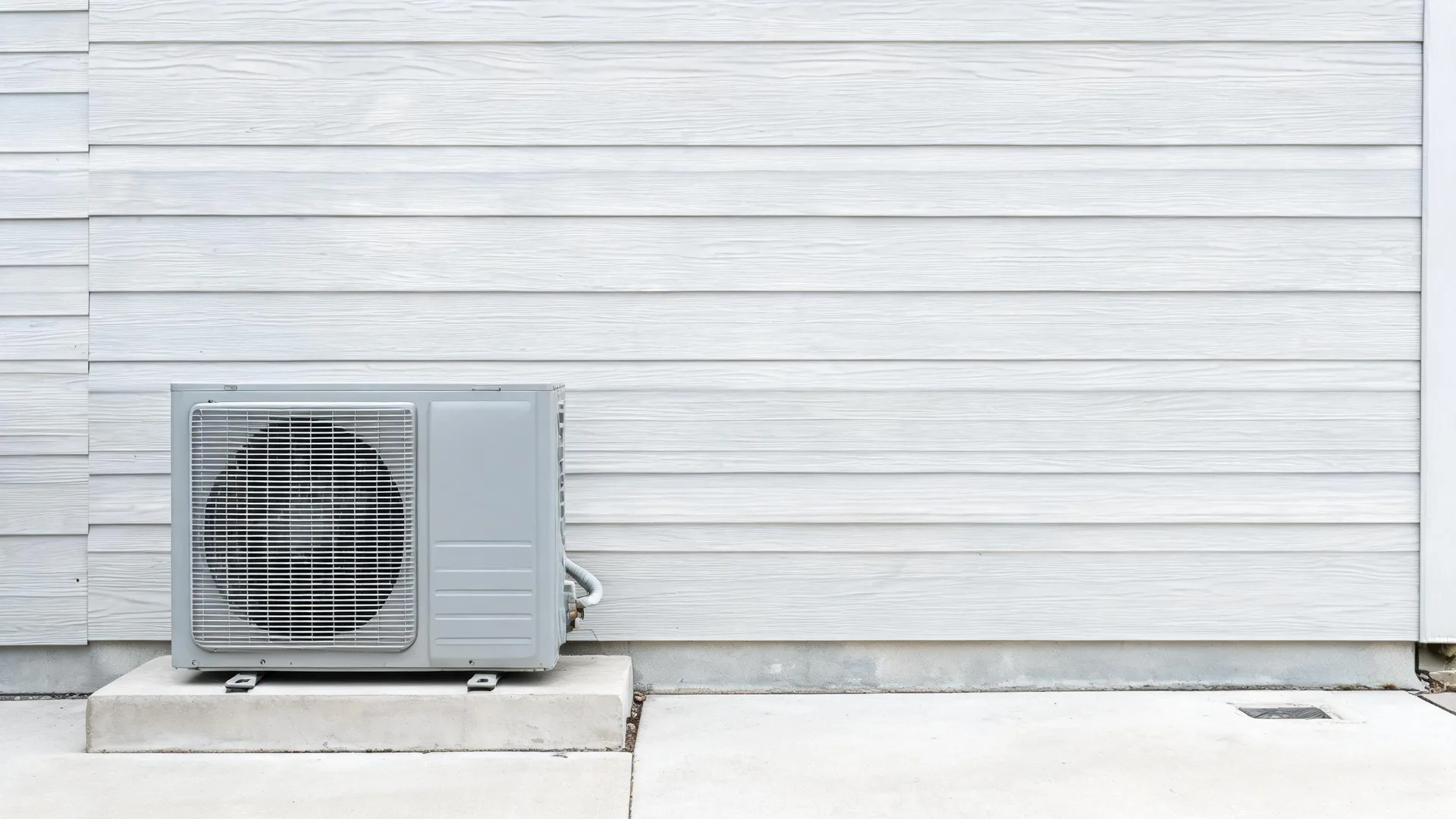
Low refrigerant doesn't fix itself by running longer

A system low on charge will keep producing heat, just less of it, and the compressor keeps cycling to try to make up the difference. The leak doesn't close up on its own. Whatever let the refrigerant out stays open until someone finds it, so the sooner it's checked, the less the compressor has had to compensate for it.

A heat pump in trouble rarely just quits. It tells you first. Air coming out of the vents that feels wrong, barely warm when it should feel warm, is usually the earliest sign, and it often shows up before anything sounds different. Ice building up on the outdoor unit when it has no business being there is another one, especially if the defrost cycle isn't clearing it. Listen for a click that doesn't go anywhere, the system trying to start and failing, or a hum that means the compressor is straining against something. Short cycling, where it kicks on and off every few minutes instead of running a normal stretch, points to a control problem or a sensor giving bad information. Any of these is worth a call before the system stops responding altogether.

A diagnostic visit starts with questions, not tools. What's it doing, when did it start, does it happen heating or cooling or both. Then the contractor checks the thermostat call against what the system actually does, because a miscommunication there can look exactly like a failed part. Gauges go on next to read refrigerant pressure, since that number alone points toward a leak, a bad valve, or a compressor working harder than it should. Electrical testing covers the capacitor and the board, both of which can look fine sitting still and fail the moment they're put under load. Outside, the coil and fins get a look too, since airflow problems there can mimic a refrigerant issue and send someone chasing the wrong fix. Most of this happens in one visit, with the contractor narrowing it down by what each test rules out, not just what it finds.