





A single-story dark wood-shingled house with a moss-covered roof and chimney, surrounded by shrubs, ferns and tall conifers, with a mown lawn in the foreground.

Heat Pump Maintenance in Bremerton, WA

Tell us about the job

Takes about a minute. No obligation.

Tune-up, service, or cleaningHeat PumpKitsap County, WA
Step 1 of 2

What ZIP code is the job in?

Winter nights in Kitsap County average 35 degrees. A heat pump works hardest when it has to pull heat out of cold outside air, and 35 is mild work compared to what these systems handle in colder parts of the country. That lighter load means less strain on the compressor year after year. It does not mean the system runs forever without attention. The refrigerant charge, the outdoor coil, and the electrical connections all still need a yearly look, because age and neglect cause more trouble here than the weather does.

Half the homes in Kitsap County were built in 1986 or later.

A heat pump that age has years left in it, and a yearly check is what keeps it getting there.

Ten months of heat start in September. Have it looked at in August.

Heat runs September through June
Climate zone 5C
Power costs 11.9 cents a kWh statewide

Keep up the yearly check

Easy duty still wears parts. A yearly check keeps it going a long time.

Find a contractor
A man in a cap, gray long-sleeve shirt and tan pants walks up stone steps toward a dark blue front door, carrying a waxed canvas tool bag in his right hand.
A dark gray heat pump unit mounted on a concrete pad next to a house with gray siding and a stone veneer wall.

What a heat pump tells you before it fails

A heat pump that's falling behind gives notice before it quits. It runs longer than it used to for the same temperature in the house, because the coil is dirty or the charge is low and it takes more time to move the same heat. The outdoor unit ices up and stays iced up, instead of clearing itself the way it should between defrost cycles. Air out of the vents feels cooler than it used to on the warm setting, even though the system is running. You hear it cycling on and off more than it used to, short runs instead of long steady ones. None of that means it's broken. It means something it needs, charge, airflow, a clean coil, has slipped, and the yearly check is where that gets caught before the compressor has to make up the difference.

The compressor pays for it

A dirty coil or a low charge does not stop a heat pump from running. It just makes the compressor work longer to move the same heat, cycle after cycle. That extra strain is what wears a compressor down early, and a compressor is the one part that makes the whole system worth replacing when it finally gives out.
Defrost is the first thing to go

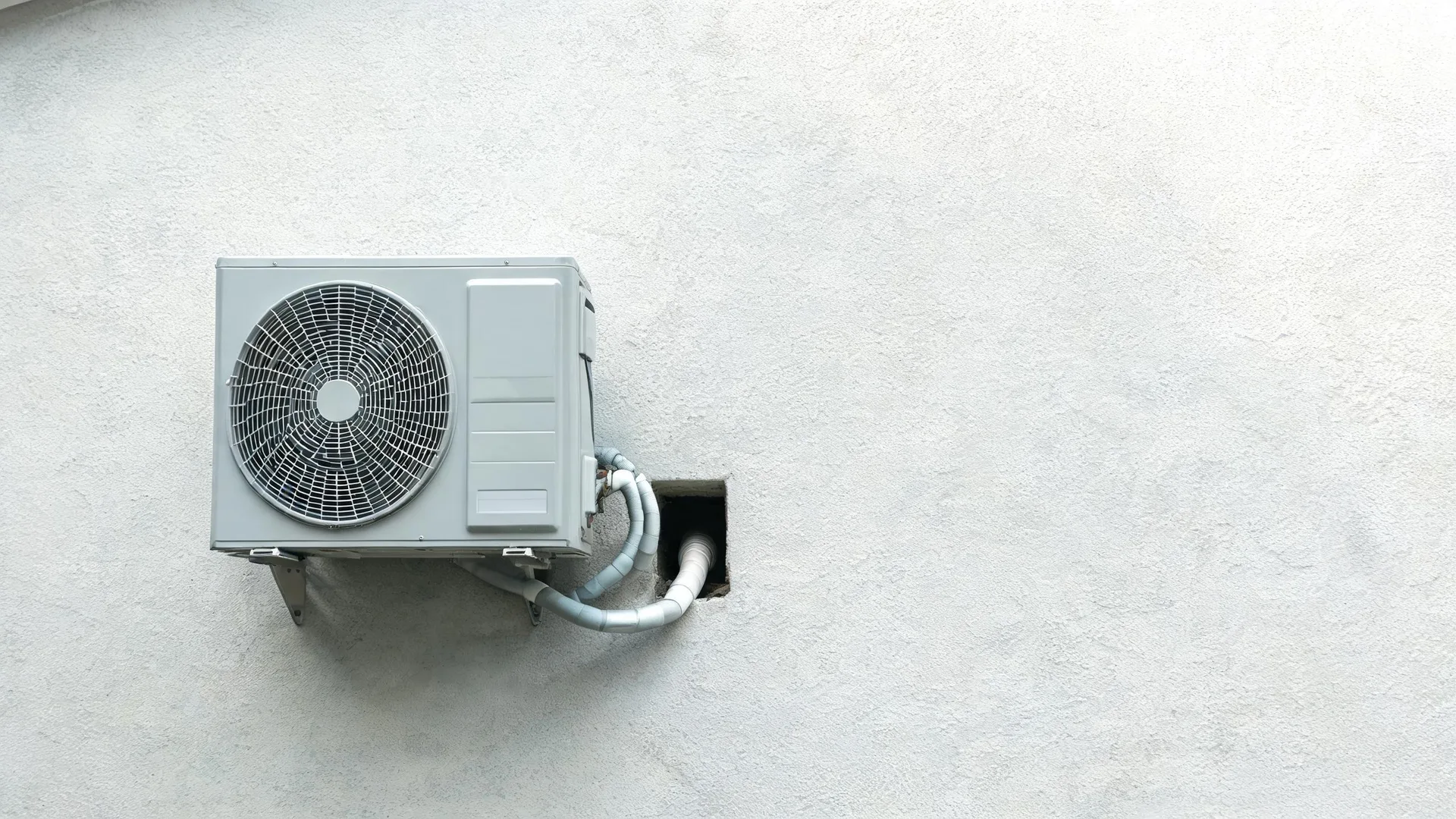
A heat pump depends on its defrost cycle to clear frost off the outdoor coil through the cold months. Low refrigerant or a failing sensor throws that cycle off, and once the coil stays iced over, it can't pull heat from the air at all. That failure shows up fast, and it shows up in the middle of a cold night.

A thorough tune-up means the cover comes off the outdoor unit. The tech checks refrigerant charge against what the system actually calls for, not just a quick glance at the pressure. They pull the electrical connections and check them for corrosion, because a loose or corroded connection is what takes out a contactor or a capacitor down the road. The coil gets inspected and cleaned, not just looked at through the grille. A quick visit skips most of that. Someone shows up, listens to it run for a minute, maybe checks the filter, and leaves. It sounds like a tune-up happened. The parts that actually fail early, the charge, the coil, the connections, never got touched.

The indoor side gets the same attention as the outdoor unit. A tech pulls the blower wheel housing and checks for dust buildup, because a dirty wheel moves less air even when the motor runs fine. The filter gets checked, not just noted. Condensate drain and pan get checked too, since a clogged drain backs up and shuts the system down on a safety switch, which looks like a failure but is really just a plugged line. Thermostat calibration gets checked against what the system is actually doing, not just what the display says. None of this takes long when a system has been kept up year after year. It takes a lot longer, and finds a lot more, on one that has not.