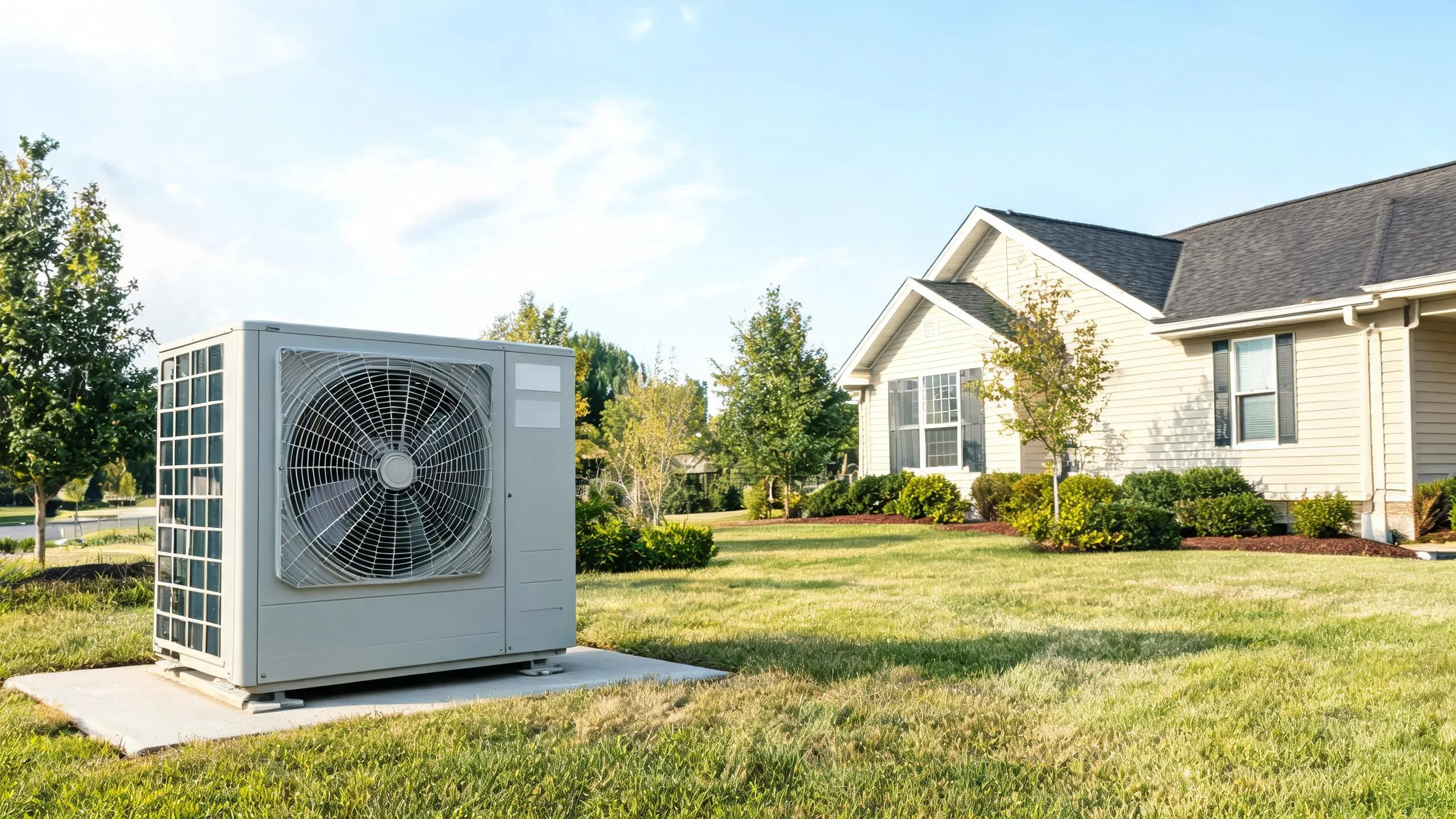


A grey heat pump outdoor unit mounted on a concrete pad in a suburban backyard, with a single-storey house visible behind it.

Heat Pump Maintenance in Clarkston, WA

Tell us about the job

Takes about a minute. No obligation.

Tune-up, service, or cleaningHeat PumpAsotin County, WA
Step 1 of 2

What ZIP code is the job in?

A heat pump in Asotin County works both sides of the year. Cooling runs July through August, then the system switches over and carries heat all the way from September through June. That long heating stretch is why a August check matters more than people expect. The unit shouldn't have to find out it has a problem on the first cold morning it's asked to switch over. Have it looked at in August, before September puts it to work.

A dirty coil makes the heat pump run longer to move the same amount of heat.

Longer runtimes year after year are what wear out a compressor before its time.

One visit a year covers itHalf the homes in Asotin County were built in 1976 or earlier. That doesn't change what this system needs.

Asotin County doesn't put much weather stress on a heat pump. The overnight low in December, January and February only averages 26°F, cold enough for the system to lean on its backup heat some nights, not cold enough to push the compressor to its limit night after night. Damaging wind and hail show up in the county's record, but not often enough to count as a regular strain on the outdoor unit. That's a mild load for a machine that runs most of the year. A yearly check still matters, because age and a dirty coil will wear a heat pump down even when the weather never does.

Book it before the season

It starts running hard in the first month of the season here. Book the check the month before.

Find a contractor
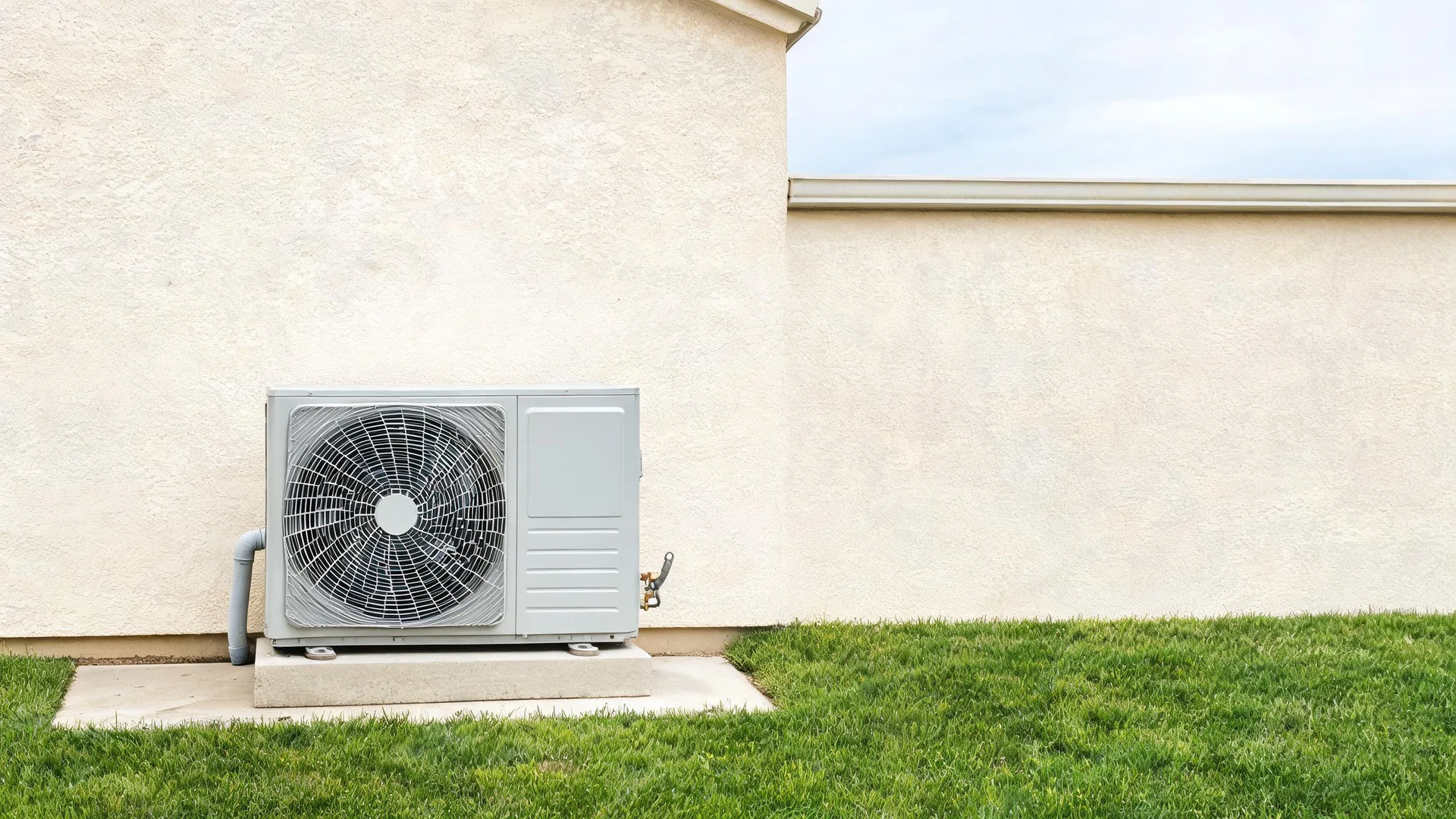
A gray heat pump condenser unit mounted on a concrete pad against the gray lap-siding exterior wall of a house.

What it looks like before it fails

A heat pump that needs attention doesn't usually quit outright. It gives you something to notice first. Short cycling is one sign. The system kicks on, runs a few minutes, shuts off, then starts again before the room has really changed temperature. Ice on the outdoor unit that doesn't clear during the defrost cycle is another. Some frost in cold weather is normal. A coil that stays frosted over is not. Weak airflow out of the vents, a system that runs but never quite gets the room to temperature, or the backup heat kicking in more than it used to all point to the same thing. The heat pump is working harder to do what it used to do without strain. Any of those is worth a look before the unit has to lean on itself through a full heating stretch.

What gets checked, not just looked at

A thorough tune-up means the refrigerant charge gets measured against what the system calls for, not eyeballed. The tech pulls the panel and checks the capacitor's actual rating, checks contacts for pitting, and washes the outdoor coil instead of just hosing off the top layer of dirt. The indoor coil and blower wheel get checked too, since a dirty blower wheel throws airflow off even with a clean filter. A quick visit skips straight to turning the system on and calling it good if nothing trips an error.
Why it matters for a heat pump specifically

A furnace that gets a shallow check still has a slower season to reveal a problem. A heat pump doesn't get that grace. It switches modes and runs the reversing valve, so a tune-up needs to confirm that valve shifts clean both ways, not just that the system blows warm or cold on the day of the visit. Skip that check and a stuck valve won't show up until the first morning the system needs to switch over on its own.

The filter sits between the return air and the indoor coil, so a clogged one chokes airflow before it ever reaches the rest of the system. Less air across the indoor coil means the coil can't pick up or release heat the way it's supposed to, and the compressor ends up working against that restriction. The outdoor coil has the harder job, since it sits outside and collects leaves, grass clippings and the kind of dust that never gets filtered. A coated outdoor coil can't shed heat in cooling mode or pull heat in during the colder months, so the system loses ground on both sides of the year. The condensate drain matters just as much, even though nobody thinks about it. If that line clogs, water backs up into the pan and the system either shuts itself down or starts leaking into places it shouldn't. None of these parts fail loudly. They just make the heat pump run longer and lean harder to do the same job, and that's exactly what shortens the life of a compressor.

A tune-up worth paying for checks the reversing valve under load, not just at idle. The tech runs the system in cooling, switches it to heat, and watches the valve actually shift instead of taking the thermostat's word for it. Refrigerant charge gets checked against the manufacturer's spec using gauges and temperature readings, since too much or too little charge both make the compressor work harder without tripping any alarm. Electrical connections get tightened, because a loose connection at the contactor builds resistance and heat right at that joint. The defrost control gets tested too, confirming the system actually ends its defrost cycle on cue instead of running long or short. None of this shows up by looking at the unit from across the yard. It shows up in what the tech measures.