





Three illuminated Craftsman-style houses with stone and wood-shingle facades line a wet residential street at night, surrounded by trees and landscaped gardens.

Heat Pump Maintenance in Everett, WA

Tell us about the job

Takes about a minute. No obligation.

Tune-up, service, or cleaningHeat PumpSnohomish County, WA
Step 1 of 2

What ZIP code is the job in?

Winter nights in Snohomish County average around 30°F. That's not hard duty for a heat pump. Plenty of places push these systems well below freezing night after night, and the compressor works harder for every degree colder it gets. Yours isn't fighting that battle. But easier isn't the same as no work at all. The compressor still cycles on all winter, and the outdoor coil still collects grime and loses moving parts the same as any machine does. A yearly check catches the small stuff before it becomes the reason the system quits in January.

Half the homes in Snohomish County were built in 1990 or later.

A heat pump that age has years left in it, and a yearly check is what gets it there.

Storms here knock out power a day or more for almost a quarter of homes. Your outdoor unit sits through the same weather.

23% of homes statewide lost power a day or more in 2024
Winter nights average 30°F
Power costs 11.9 cents a kWh statewide
Book It in AugustHeat here starts running in September and keeps going through June.

A once a year check is the right pace for a system working this easy. Have the coil cleaned so it can still shed heat into cold air. Have the refrigerant charge checked, since a system low on charge runs longer than it should and puts more hours on the compressor than the weather ever would. Have the electrical connections looked at, since those loosen with age no matter how mild the winters are. None of this is urgent work. It's the kind that stops urgent work from happening in January.

A newer system is worth keeping that way

If your heat pump came with the house, there's a good chance it's one of the newer ones in the county and still has plenty of life left. A yearly check is what keeps it running that long instead of needing a repair call it didn't have to.

Find a contractor
A gray outdoor HVAC unit mounted on a concrete pad beside a house with gray lap siding and a stone foundation.

What a real check covers

A thorough visit, the technician pulls the panel and checks the capacitor and contactor by hand, not just by sound. Refrigerant charge gets checked with gauges, not guessed from how cold the line feels to the touch. The outdoor coil gets washed clean on both sides, not just brushed off where it shows. The reversing valve gets tested by running the system in both directions, since that valve is what lets a heat pump heat at all, and a sticking valve will not show up unless someone actually switches modes and watches what happens. A quick visit skips most of that. It checks the filter, glances at the outdoor unit, and calls it done. Ask what got checked, not just whether someone came.

What's hiding behind the panel

A contactor can be pitted and still close the circuit most of the time. A capacitor can be weak and still start the compressor on the milder days. Nothing looks wrong and nothing sounds wrong until the one morning it doesn't catch. Pulling the panel and testing both by hand is the only way to find that before it finds you.
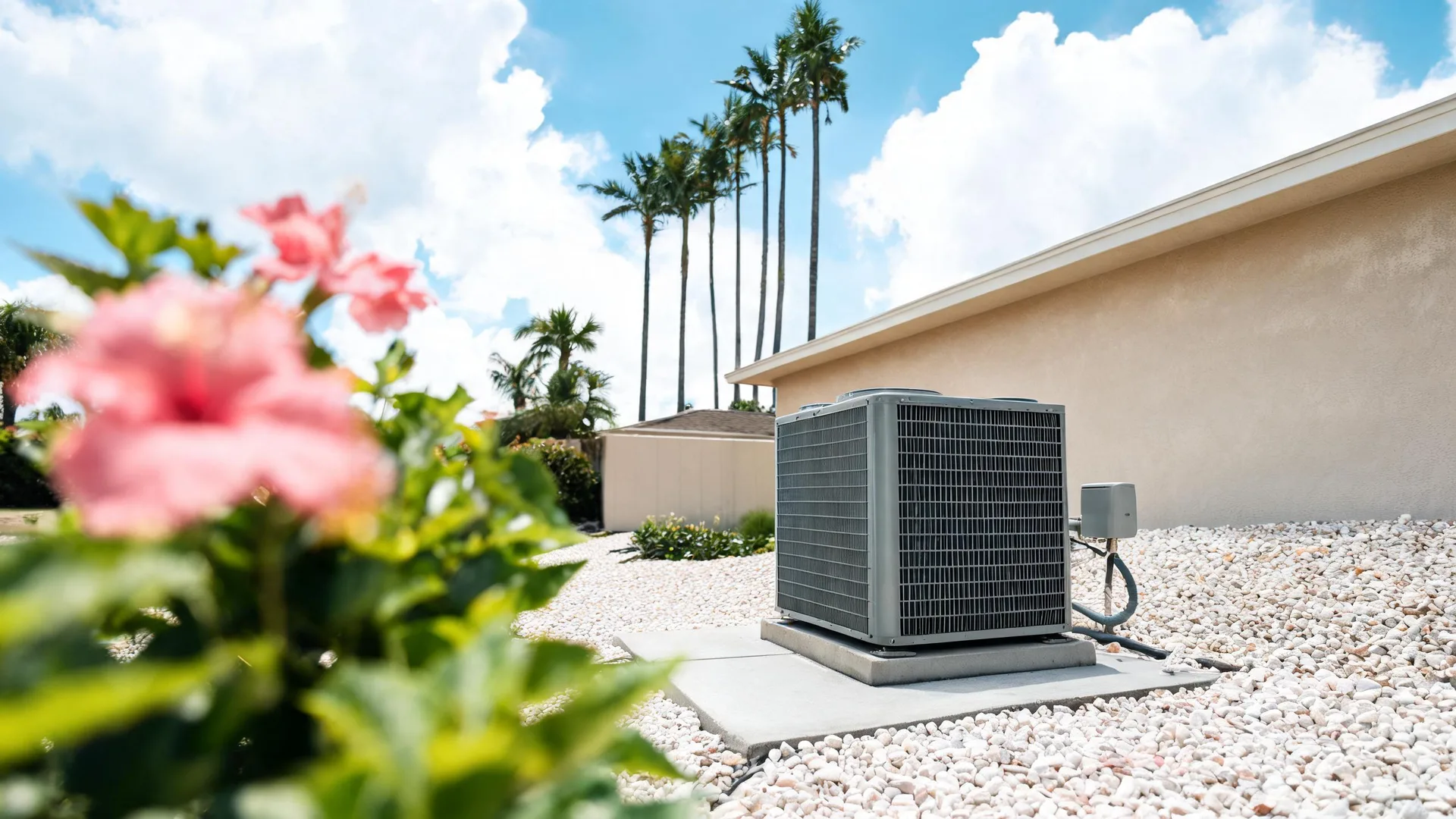
What the coil is losing without showing it

The outdoor coil needs airflow through it to pull heat from cold air, and a season of pollen and grime between the fins cuts that airflow down slowly, with no warning sign a homeowner would notice from the yard. The system still does its job. It just takes a dirty coil longer to move the same heat, and a coil washed clean each year is what keeps that from turning into real wear.

The indoor side has its own upkeep, and the filter is the start of it. A dirty filter chokes airflow across the indoor coil, and that coil needs air moving through it to do anything at all, heating or cooling. Starve it and the system runs longer to move the same air, and in heat mode that coil can ice over when airflow drops too far. The drain line matters just as much, even though nobody thinks about it until it backs up. Condensation has to leave the unit somewhere, and algae or dust can clog that line slowly, with no sign until water is pooling where it shouldn't. Checking both takes a few minutes. Ignoring both is how a small problem turns into water damage or a frozen coil on the coldest week of the year.

A tune-up on a heat pump means checking it running in both directions, not just one. The technician runs it in cooling mode first and checks the charge and the airflow across the indoor coil. Then it gets switched over to heat, since the reversing valve only shows a problem when it's asked to actually reverse, and some won't fully seat until they've cycled a few times. The outdoor fan motor gets checked for play in the bearings, not just power. The condensate drain gets flushed so it isn't carrying algae into next season. None of this takes long on a system that's healthy. Finding all this out for the first time after something has already failed takes a lot longer.