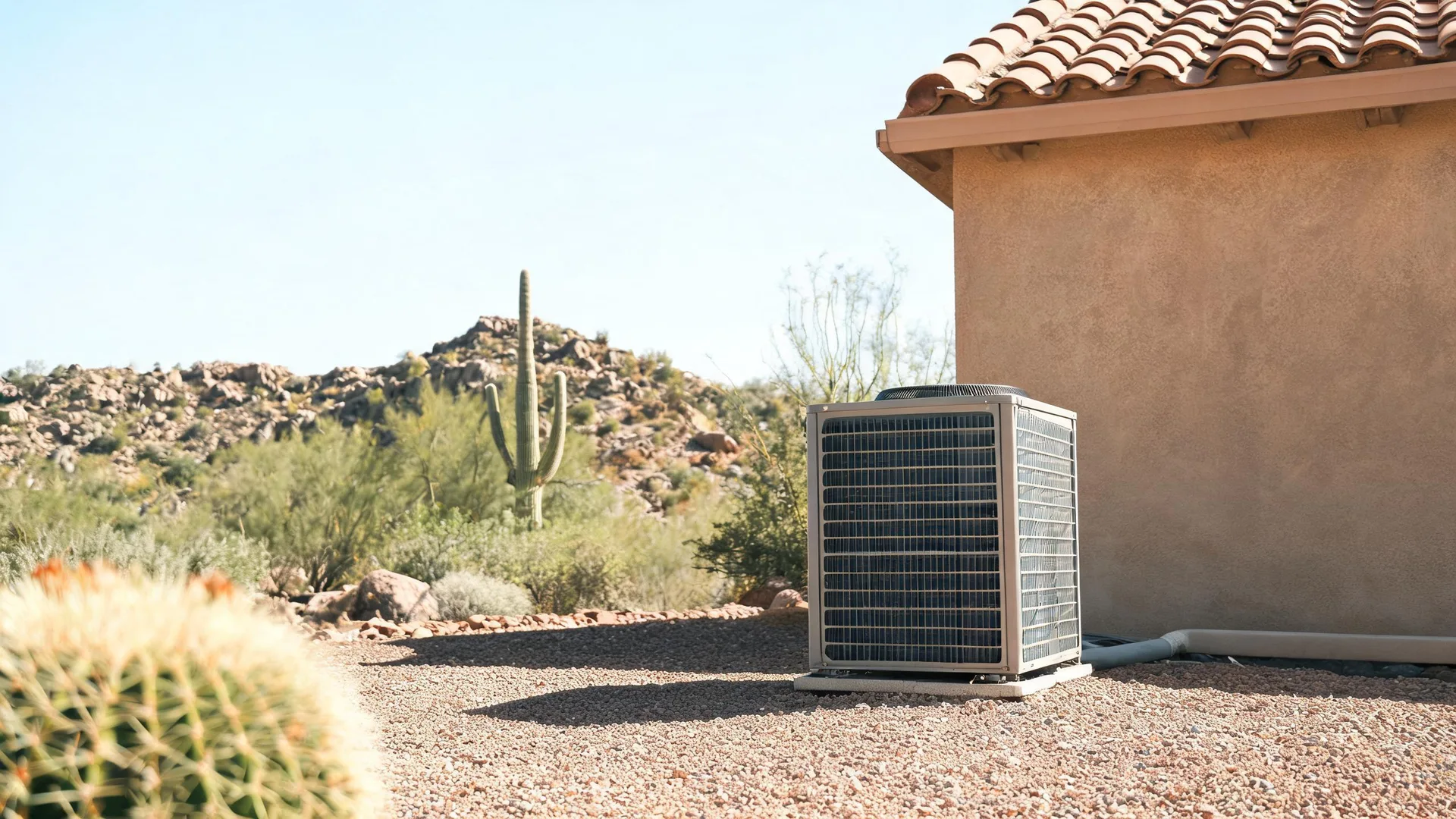
Half these homes were built in 1991 or later
Island County's housing is younger than a lot of the country. A heat pump installed with a newer home still has plenty of working life ahead of it.
Takes about a minute. No obligation.
Island County's housing is younger than a lot of the country. A heat pump installed with a newer home still has plenty of working life ahead of it.
If your heat pump has years left in it, a yearly check is what keeps the compressor and coils working the way they should instead of losing ground year over year.
Winter lows here average 35 degrees, so your heat pump isn't fighting single-digit cold like a lot of the country.
Less strain means a yearly check is usually about keeping a good machine going, not chasing damage already done.



Nearly a quarter of Washington households lost power for a day or more in 2024. That's weather worth planning around. The outdoor unit sits outside through all of it, so a yearly check is the time to look over the coil and cabinet for dents or debris before the next storm comes through. Nothing has to be wrong for that to be worth doing. If the power does drop this winter, your heat pump should come back on by itself once it's restored, and the yearly check is a good time to confirm it does.
If your system is fairly new, a yearly check keeps it in good shape for longer.
Find a contractor
Put the yearly check on the calendar now, same month each year. A system with years ahead of it is the one where that habit pays off, catching a weak capacitor or a dirty coil before either one drags the compressor down with it.
The outdoor coil fins can mat down with dust, pollen and grass clippings long before the airflow loss shows up as a warm house. A tech pulls the panels and checks the coil face, not just the filter you can see yourself.
Refrigerant charge is either right or it isn't, and you can't tell by looking at the unit or feeling the air. A low charge makes the compressor run longer and harder for the same amount of heat, and that wear doesn't announce itself until the compressor is the problem.
The filter is the only part of this system you can see, and it's doing more than keeping dust off the furniture. A clogged filter starves the indoor coil of airflow, and a heat pump moves heat through that coil both in summer and in winter. Less airflow means the coil runs colder on the cooling side, and it can ice over. On the heating side, the system works harder to push warmth through, which shows up as a compressor straining to do the same job. The condensate drain matters just as much and gets ignored because it's out of sight. Algae and sludge build up in that line slowly, and once it blocks, water backs up into the pan and the unit shuts itself down rather than risk an overflow. None of this is dramatic on its own. It's the coil losing ground, the drain narrowing a little more each season, the compressor picking up the slack, until one of them finally forces the issue.
Skip enough years and a heat pump doesn't fail all at once. The reversing valve is usually the first to show it, sticking partway so the system can't switch cleanly between heating and cooling. Dirty coils and a low charge both make the compressor run longer to hit the same temperature, and that extra runtime is what wears it out early. Defrost control is another thing that drifts out of adjustment quietly, and a heat pump that can't defrost right will ice over outside and lose heating capacity when it's needed most. None of this shows up as a single clear symptom. It shows up as a system that runs more and heats less than it used to.