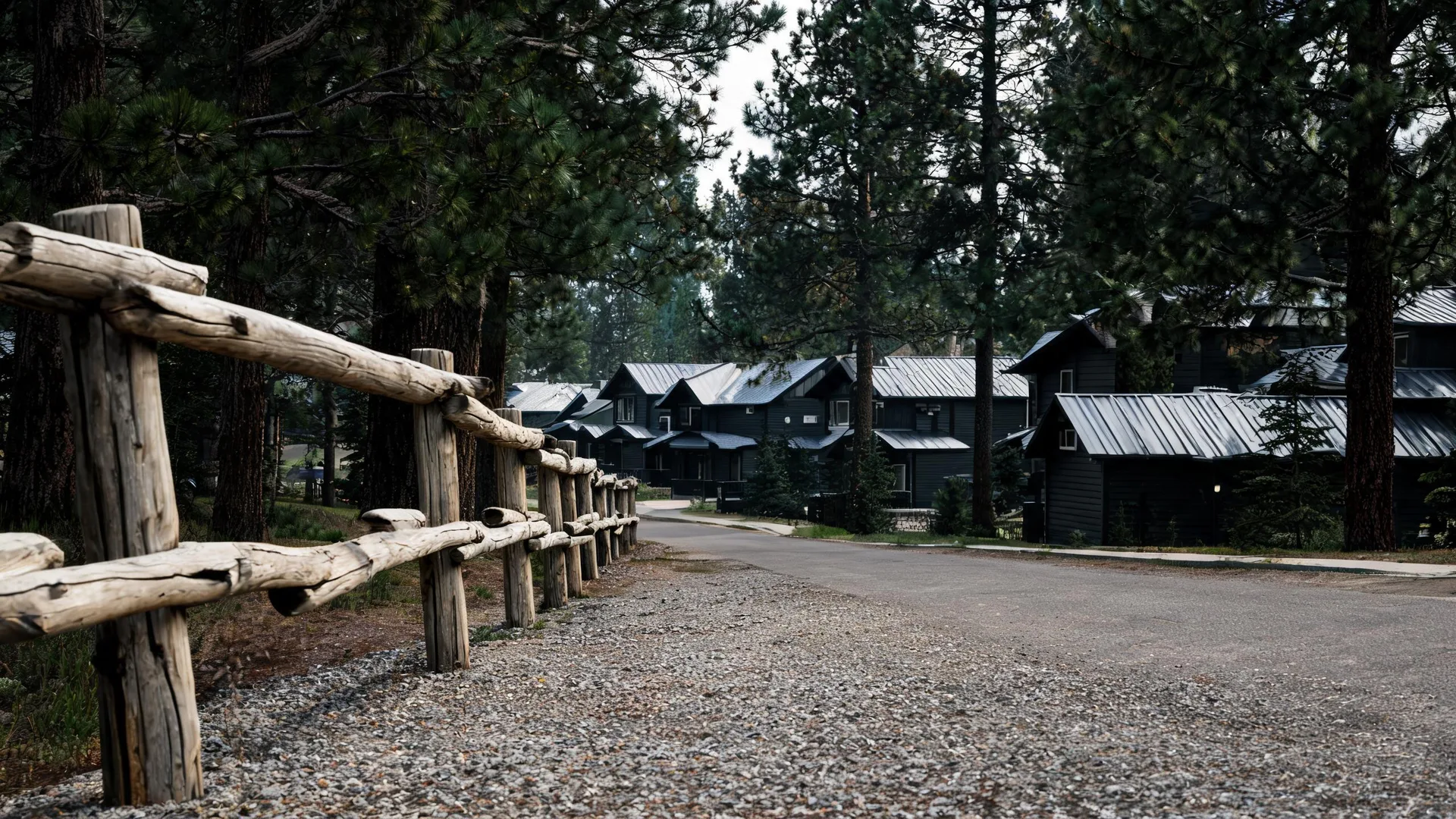





A gravel road bordered by a rustic log rail fence leads past dark-sided houses with metal roofs among tall pine trees.

Heat Pump Maintenance in Walla Walla, WA

Tell us about the job

Takes about a minute. No obligation.

Tune-up, service, or cleaningHeat PumpWalla Walla County, WA
Step 1 of 2

What ZIP code is the job in?

Winters here are mild. Overnight lows average 29°F across December, January and February, so a heat pump isn't fighting single-digit air the way one might further east. That's lighter duty on the compressor and the defrost cycle, year after year. But Walla Walla County still gets winter storms, heavy snow, ice and blizzards, and those are the stretches when the system runs longest and the outdoor unit takes the most abuse. Wind events happen here too, and either one can leave coils dirty or knock a unit slightly off its pad. None of that is heavy strain. It just adds up quietly if nobody looks at it. A yearly check catches that buildup before it turns into a bigger repair.

Your heat pump switches over to heating in October and runs through May.

Have it checked in September, before it has to carry the first cold month on its own.

Walla Walla doesn't stress a heat pump. One visit a year still covers it.

106 severe weather events from 2015 to 2024
23% of homes statewide lost power a day or more in 2024
37 damaging wind events from 2015 to 2024
Older homes, same yearly checkHalf the homes in Walla Walla County were built in 1973 or earlier.

A fall check before the storm months is the right time to catch what's building quietly. A technician can clear the coils, confirm the unit is still sitting level on its pad, and look over the parts that carry the defrost cycle through the worst weeks of snow and ice. None of that takes long when a system has had easy duty the rest of the year. Skip it a few years running and small things stack up unnoticed, then show up as a breakdown during the exact storm the system needed to handle.

If the heat pump has been there a while, get it looked at before winter

A system that's been in the house a long time hasn't had anyone look at what it's connected to lately. A yearly check is how a technician catches a problem early instead of during the next storm.

Find a contractor
A gray heat pump outdoor unit mounted on a concrete pad next to the stone-accented exterior wall of a house.

Some failures don't announce themselves

A technician can find things a homeowner never would, because none of it shows up as a cold house, not yet. A contactor with pitted points still closes, just not for much longer. A capacitor that's weakened instead of failed still starts the outdoor fan, just rougher than it should. Refrigerant that's drifted a little low still lets the system heat, just with the compressor leaning on it harder than it needs to. None of that trips a breaker or gets noticed on its own. The one that matters most here is the reversing valve, the part that switches the system into defrost. It can stick partway and the system keeps heating fine on an ordinary day, so there's nothing to notice, until a hard freeze asks it to switch clean and it doesn't.

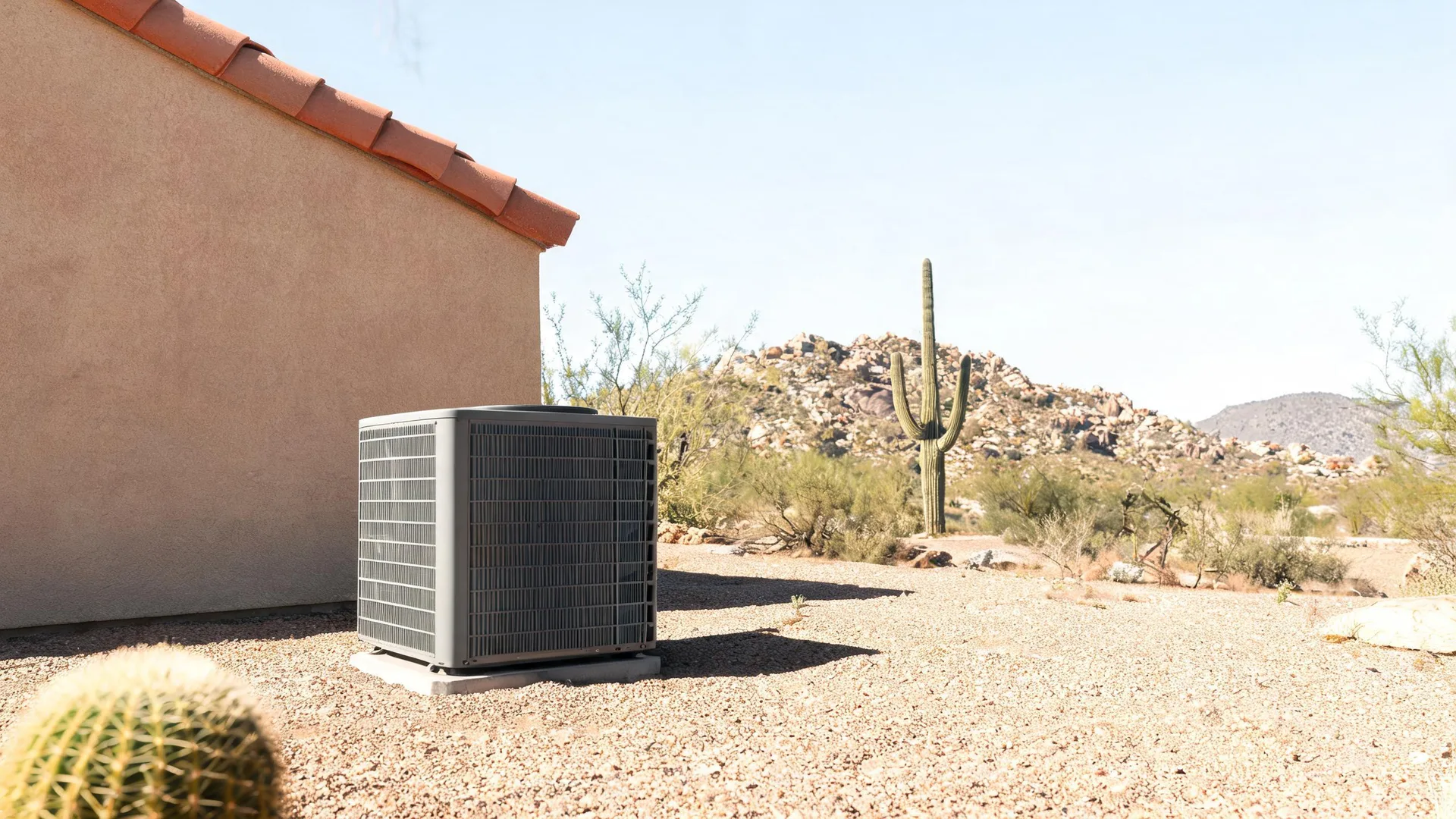
Keep the outdoor unit clear

Leaves, grass clippings and snow pile up around the outdoor unit and block airflow through the coil. Walk past it between visits and clear anything stacked against the sides or sitting on top. Give it space on all sides so air can pull through freely.
Change the filter on a schedule

A dirty filter is the one thing between visits that actually causes damage if it's ignored. It chokes airflow across the indoor coil, and a heat pump moving too little air runs longer to do the same job and can ice up the coil in cold weather. Check it monthly and swap it when it's visibly dirty, don't wait for a set interval if the house has pets or dust.

A quick visit usually means someone checks pressures, listens to the compressor for a minute, and calls it done. A thorough one means the panels come off. The technician checks refrigerant charge against the manufacturer's numbers rather than just glancing at a gauge, tightens electrical connections, and tests capacitor and contactor condition instead of assuming they're fine because the system starts. The reversing valve gets tested under load, actually switching the system between heating and cooling, not just inspected sitting still. Coils get cleaned, not just looked at. The outdoor fan motor gets checked for play in the bearings. A short visit tells you the system is running. A thorough one tells you why it might stop, and catches the part that's close to failing instead of the one that already has.

A full tune-up also covers the indoor side, not just what's outside. The blower wheel picks up dust over time, and a dirty one moves less air without the sound changing enough for anyone to notice. The technician checks that against the airflow the system expects. Thermostat calibration gets checked too, since a reading that's drifted even slightly can make a heat pump cycle more than it needs to or satisfy a room before it's actually comfortable. Drain lines get checked and cleared, because a clogged one backs up condensate and can trip a float switch that shuts the system down for reasons that have nothing to do with the compressor or the refrigerant. None of this shows up on a quick look. It shows up when someone opens the cabinet and checks it.